
Industry
Health & Education
Our portfolio includes completed works at hospital and education projects across NSW and Victoria. In this sector we deliver the same finishing and rectification capability we bring to every project — rectification, coatings, surface restoration and silicone — documented through ITPs, live project records and time-stamped images at every stage.
The sector
Finishing and rectification in health & education
Health and Education group two of the most exacting publicly funded building types under one banner. Hospitals, day-surgery and laboratory fit-outs, mental-health and aged-care facilities, schools, TAFEs and university estates are commissioned by institutional owners — Health Infrastructure NSW, the Victorian Health Building Authority, School Infrastructure NSW, the Victorian School Building Authority and university facilities teams — who hand each building to an operator that will run it hard for decades. They judge the finishing scope at handover against standards written for clinical safety, durability and public accountability, not appearance alone. That makes the finish, the sealant and the coating part of how the building performs, not the last cosmetic layer over it.
In a hospital, day-surgery or laboratory fit-out the finish is part of the infection-control system. Wall and ceiling coatings have to be impervious, washable and able to survive repeated cleaning with hospital-grade disinfectants; wall-to-floor and wall-to-wall junctions are coved and sealed so there is nowhere for contamination to collect; and every silicone or sealant joint in a wet area, sterile suite, pharmacy or amenities block is a hygiene barrier, not a cosmetic line. A scratched coating, an unsealed penetration or a mould-prone junction is recorded as a non-conformance against the infection-control specification, and it holds up sign-off until it is closed. Impact and abrasion resistance matter just as hard — corridors, bed bays and theatre approaches take trolley strikes, wheelchair traffic and constant wash-downs from day one.
Education work carries a different discipline. Its handover date is fixed by the academic calendar: a building is either ready for the first day of term or it is not, and the only real shutdown window is the summer or a term break. The finishing scope is repetitive and high-volume — many classrooms, corridors, amenities, halls and laboratories finished to the same standard inside a compressed programme, in coatings chosen to resist heavy wear, impact, graffiti and daily cleaning, and specified low-VOC for occupancy by children. What looks like a straightforward paint-and-make-good package is really a logistics exercise: the same defect-free finish delivered across dozens of near-identical rooms, on a date that cannot move.
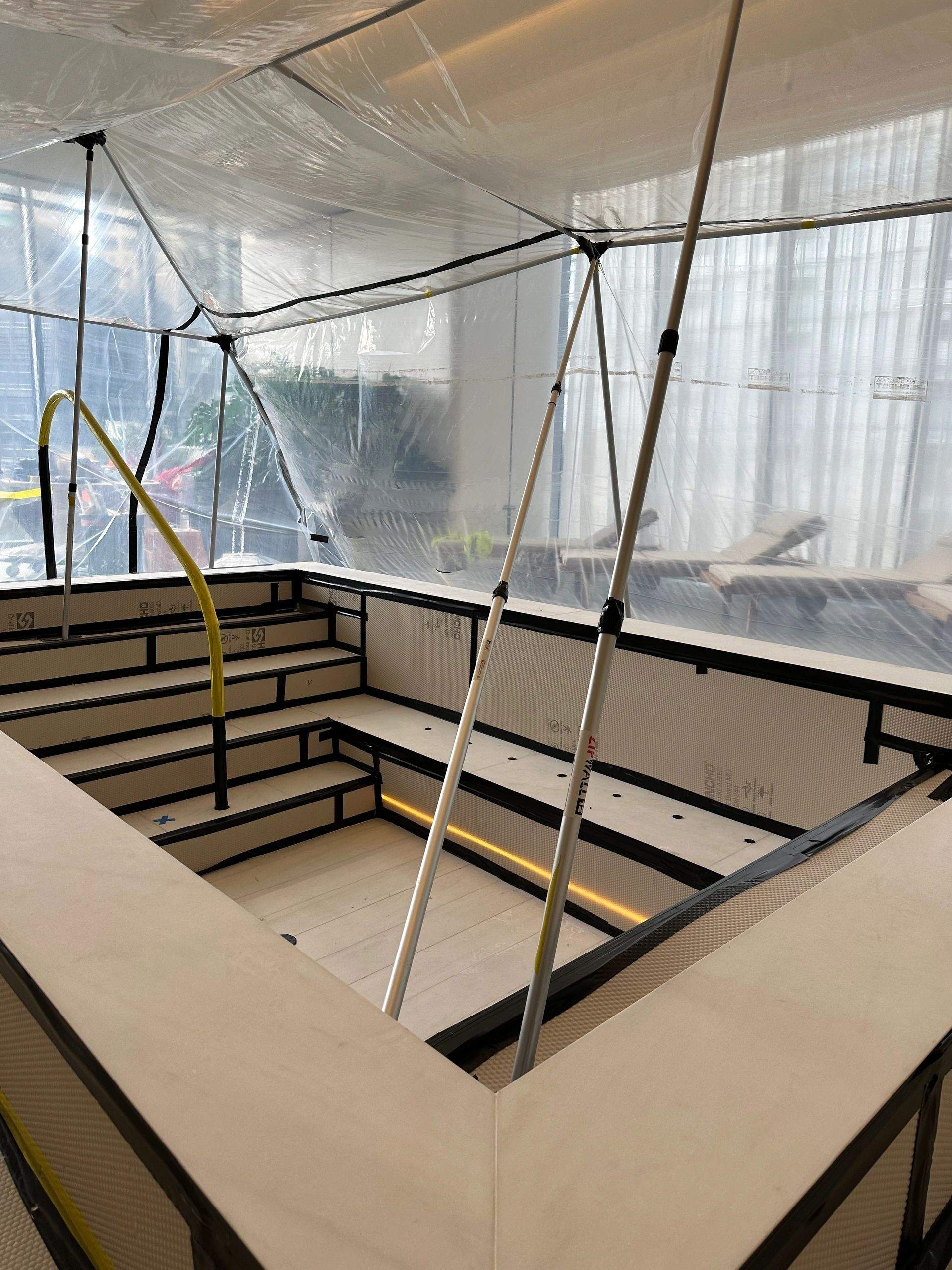
Both sides of the sector are usually delivered into live estates. New hospital wings and upgrades are built alongside functioning theatres, wards and emergency departments; school and campus works proceed while classes are in session. That means infection-control risk assessments and permits, dust and containment barriers, negative-pressure hoardings, restricted and after-hours access, and staged partial handovers where one zone is occupied while the next is still being finished. The finishing trades have to organise their programme around clinical and teaching operations rather than the other way round — and a single uncontrolled dust or odour event in an occupied ward or classroom is a far bigger problem than the defect that caused it.
Because the client is a public asset owner, the paperwork is scrutinised as hard as the work. Defect registers are audited, QA is expected to be evidence-based, and sign-off flows up through the head contractor's compliance declarations to a government authority accountable for how the money was spent. A clean, documented handover — ITP records, time-stamped photographs and closed defect items — is what lets the builder demonstrate the building was delivered to specification, gives a complete and traceable QA record of every finish, and stands behind the finishes through the defects liability period.
What makes it demanding
The handover pressures unique to health & education
Infection-control finishes and hygienic junctions
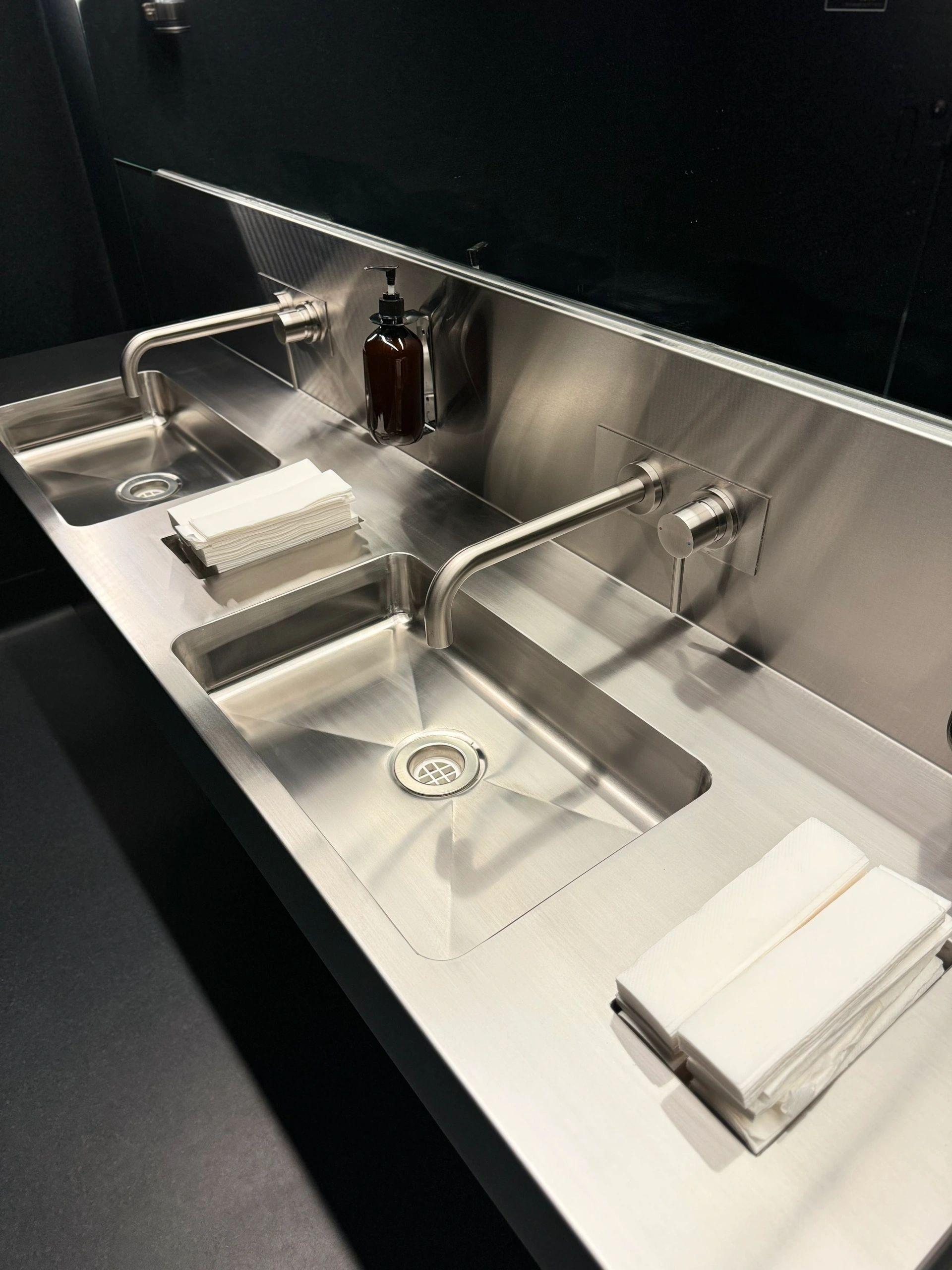
In clinical areas the coating and the sealed junction are part of the infection-control specification. Surfaces must be impervious and cleanable with hospital-grade disinfectants, wall-to-floor and wall-to-wall junctions coved and sealed, and every wet-area, sterile-suite and amenities joint made good with the specified mould-resistant sealant system. A defect here is logged as a hygiene non-conformance, not a snag, and it blocks sign-off until it is closed and documented.
Finishing over a live, functioning hospital
Most health work is delivered next to operating theatres, wards and emergency departments that never close. That imposes infection-control risk assessments and permits, dust and containment barriers, negative-pressure separation, restricted access, night and weekend windows, and staged partial handovers. The finishing programme has to fit around clinical operations, and dust, odour and noise control are as much a part of the scope as the finish itself.
Immovable academic-calendar handover dates
Education handovers are locked to the school or university calendar — the building has to be ready for the first day of term, and the only genuine shutdown window is a holiday break. There is no slippage to absorb a late-running defect list, so a high-volume finishing scope across many rooms has to be closed out and documented inside a fixed, often short, window.
High-traffic durability and graffiti resistance
Hospital corridors and school buildings take relentless punishment — trolley and wheelchair strikes, constant cleaning, and in education, deliberate wear and graffiti. Finishes are specified for impact and abrasion resistance and, in schools, for graffiti removal, so rectification has to restore the specified performance system rather than simply cover the mark, or the defect returns within weeks of occupation.
Government-grade QA, probity and documentation
A publicly funded client audits the handover paperwork as closely as the building. Defect registers, ITP records, WHS compliance and QA evidence all feed the head contractor's sign-off to a government authority. Finishing trades have to deliver audit-ready, evidence-based records, and hold prequalification and compliance to sit on the package at all.
How we deliver here
One accountable finishing team
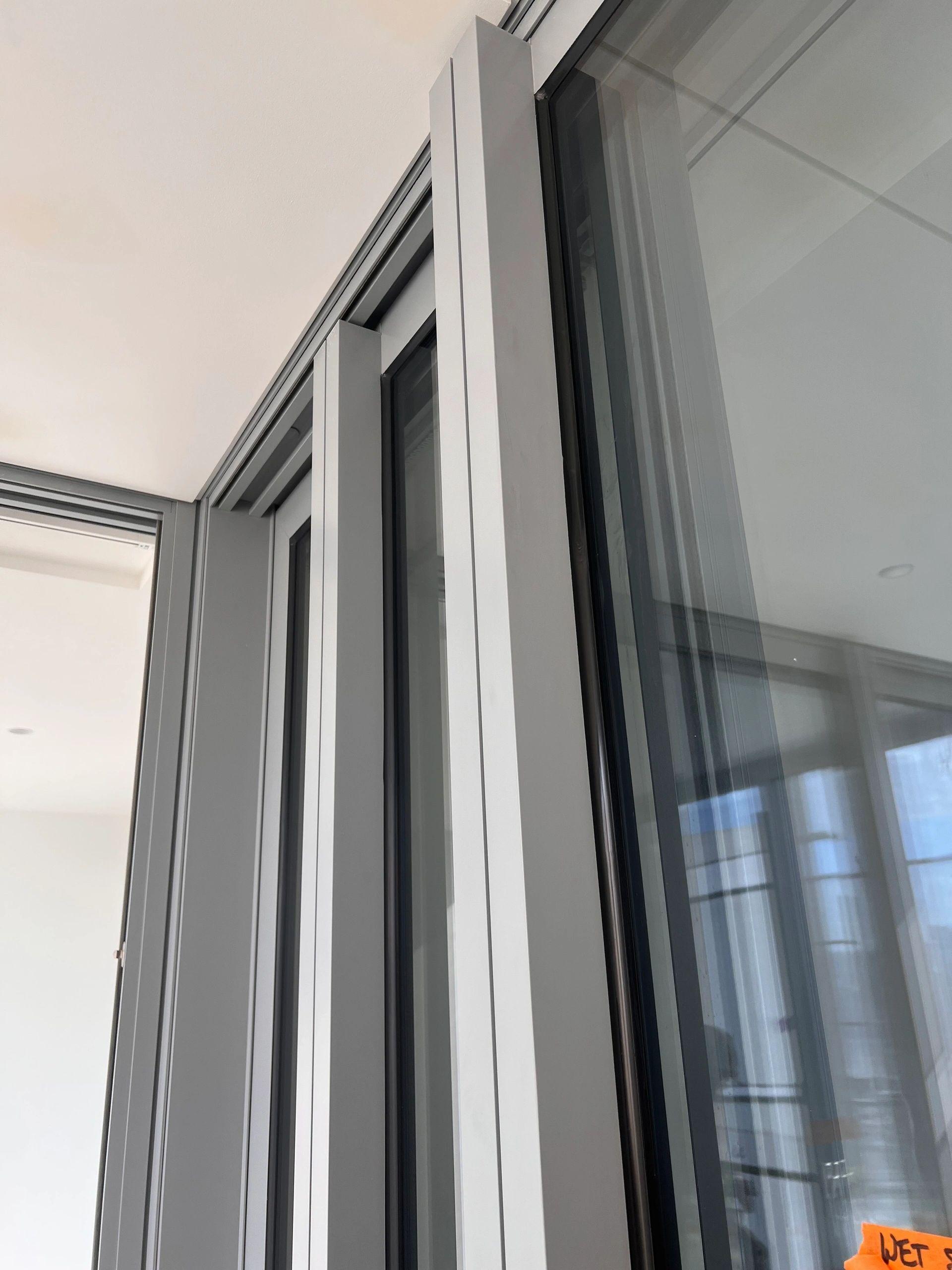
In this sector the finishing defect list fragments fast — coatings, silicone and expansion joints, joinery, stainless and metalwork, glass and surface repair, spread across wards, classrooms, amenities and public areas. A public-sector handover has little tolerance for the head contractor chasing five separate trades through that list. M&M carries the finishing and rectification scope as one engagement, with one project manager and one set of records, so the builder clears many defect line-items through a single accountable point rather than coordinating a chain of single trades near the deadline.
The documentation is built for the way government clients sign off. Rectification is delivered by project-specific trained tradespeople working under QC managers to approved methodologies, and captured with ITP records, live project documentation and time-stamped photographs held on OneDrive for the builder to view at any time. That evidence trail does two jobs at once: it gives a health authority or education department the audit-ready QA a public handover expects, and it records the condition of each finish, and of the adjacent work, before and after each stage.
The programme answers the sector's two pressures — live occupancy and fixed dates. With more than 90 staff across Australia, day and night shifts and the ability to increase labour at any point, M&M can work the restricted and after-hours windows an operating hospital allows, and surge across a repetitive room-by-room education fit-out to hold an immovable term-start date. Containment, staging and out-of-hours access are planned into the programme rather than improvised at practical completion.
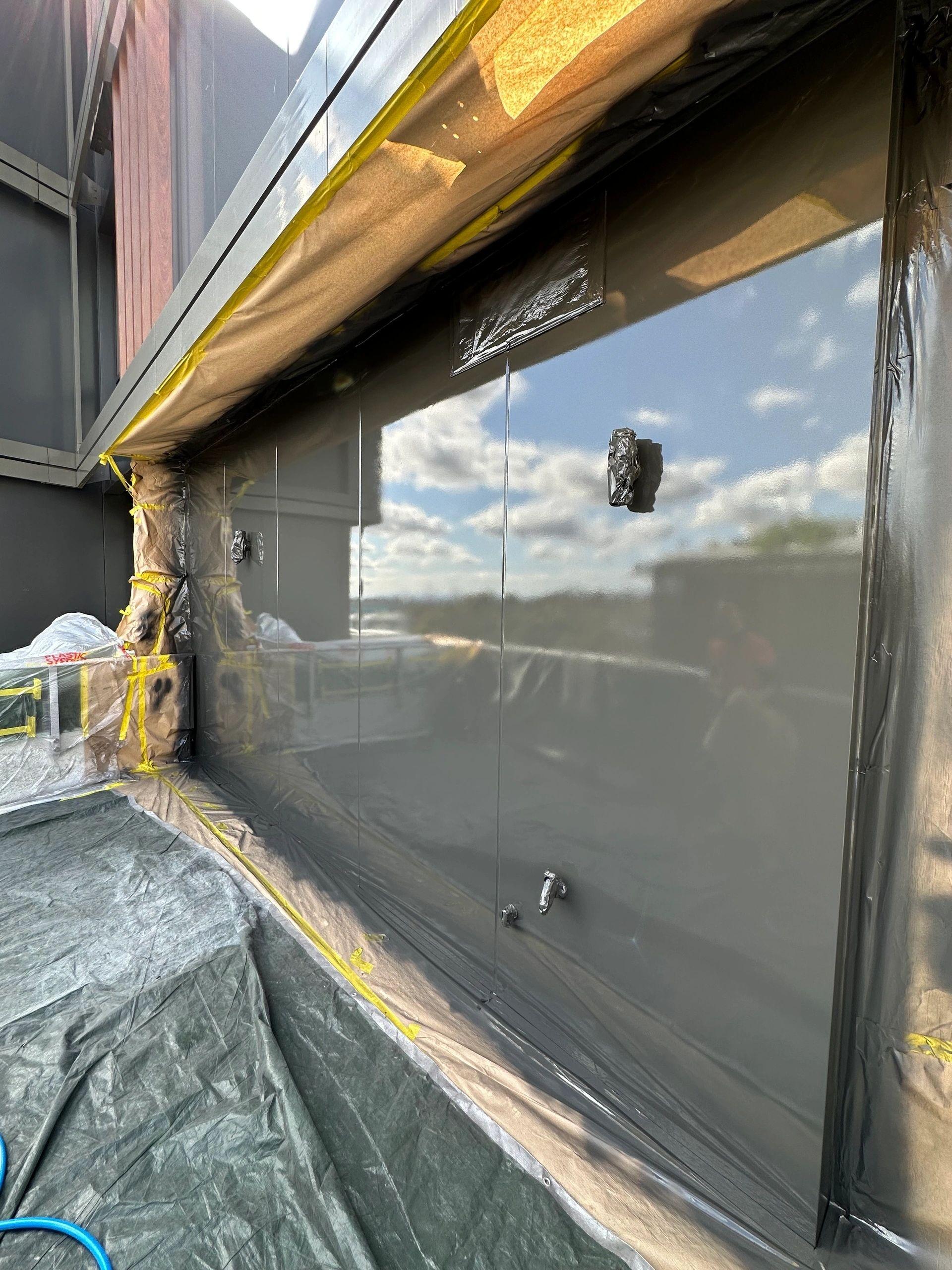
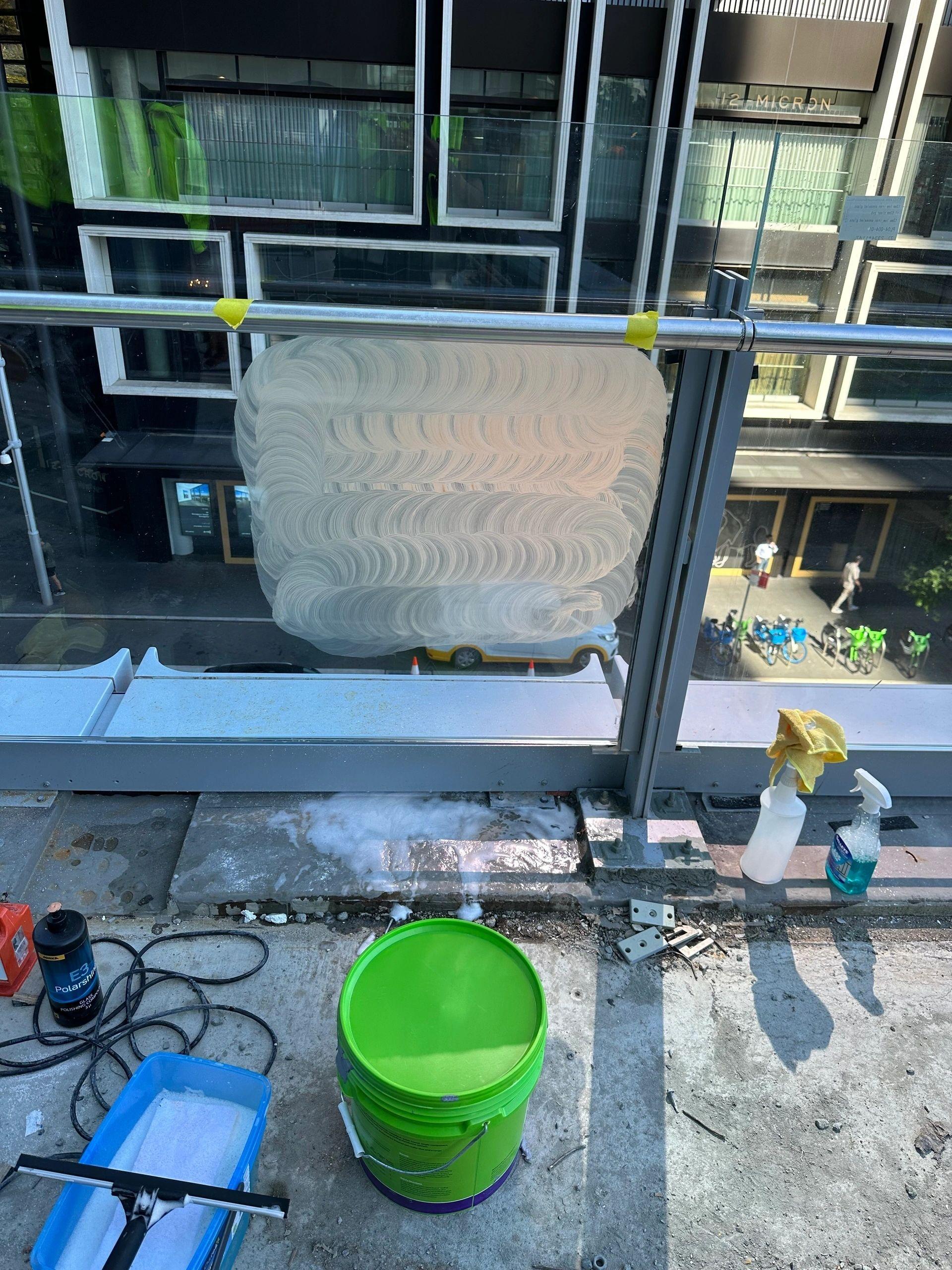
Where finishes are damaged in a completed area, the default is to restore rather than replace. Coatings are applied to the engineering specification and Australian Standards, colour is matched on site and signed off before any mass application, and enclosed-area refinishing of polyurethanes and acrylics — supported by the workshop and spray booth — gives a result beyond a spray-can touch-up. Restoring a marred surface in place, instead of ripping out and reordering completed work, protects both the programme and the replacement budget at the point in the job where a public-sector client is least willing to see either move.
What we deliver here
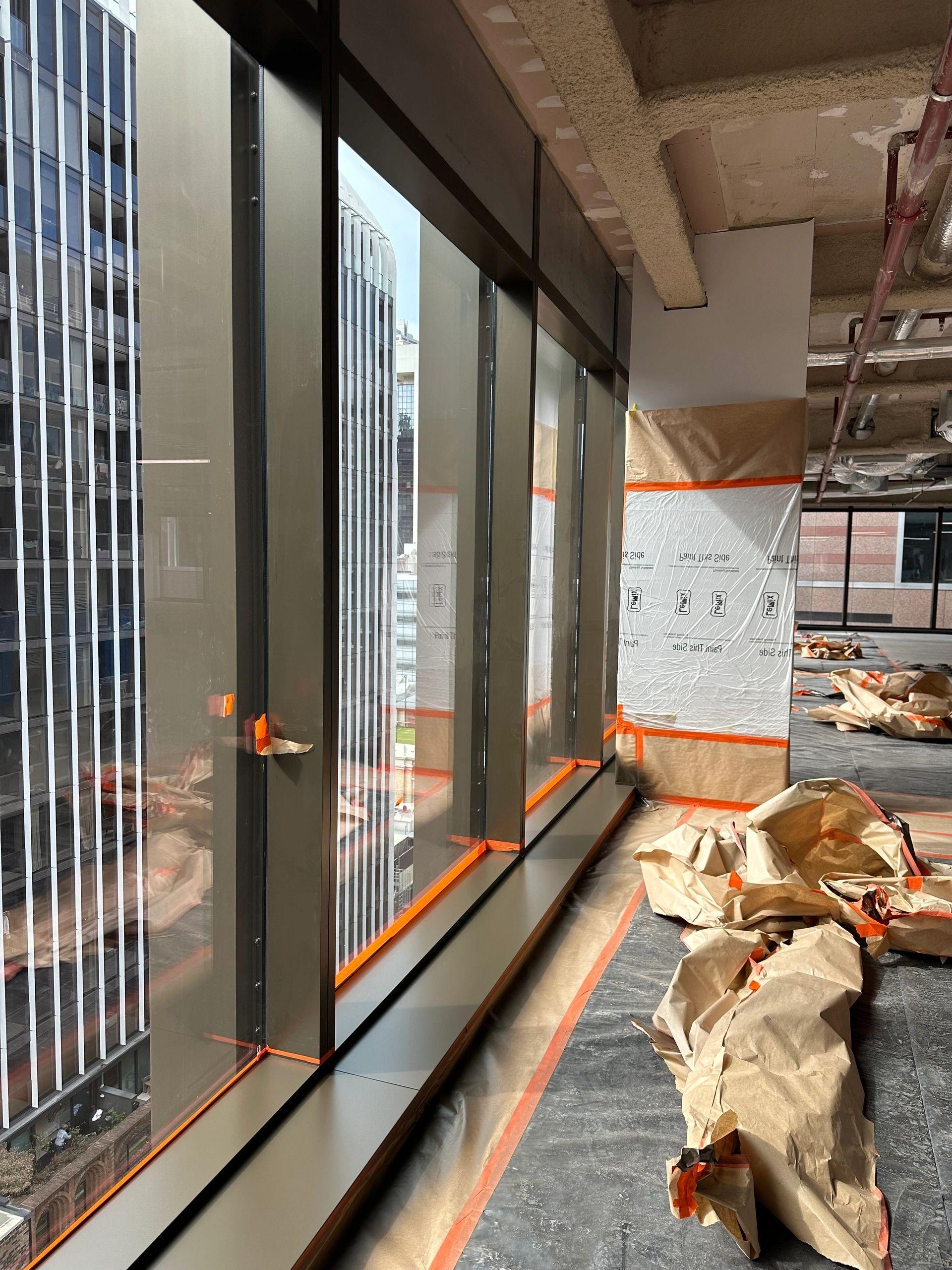
The finishing scope for this sector
One team across the trades that close out a handover — engaged together, documented throughout.

Questions
Health & Education — common questions
Projects in safe hands