Facade
Facade rectification across Sydney, in place — panel and programme intact
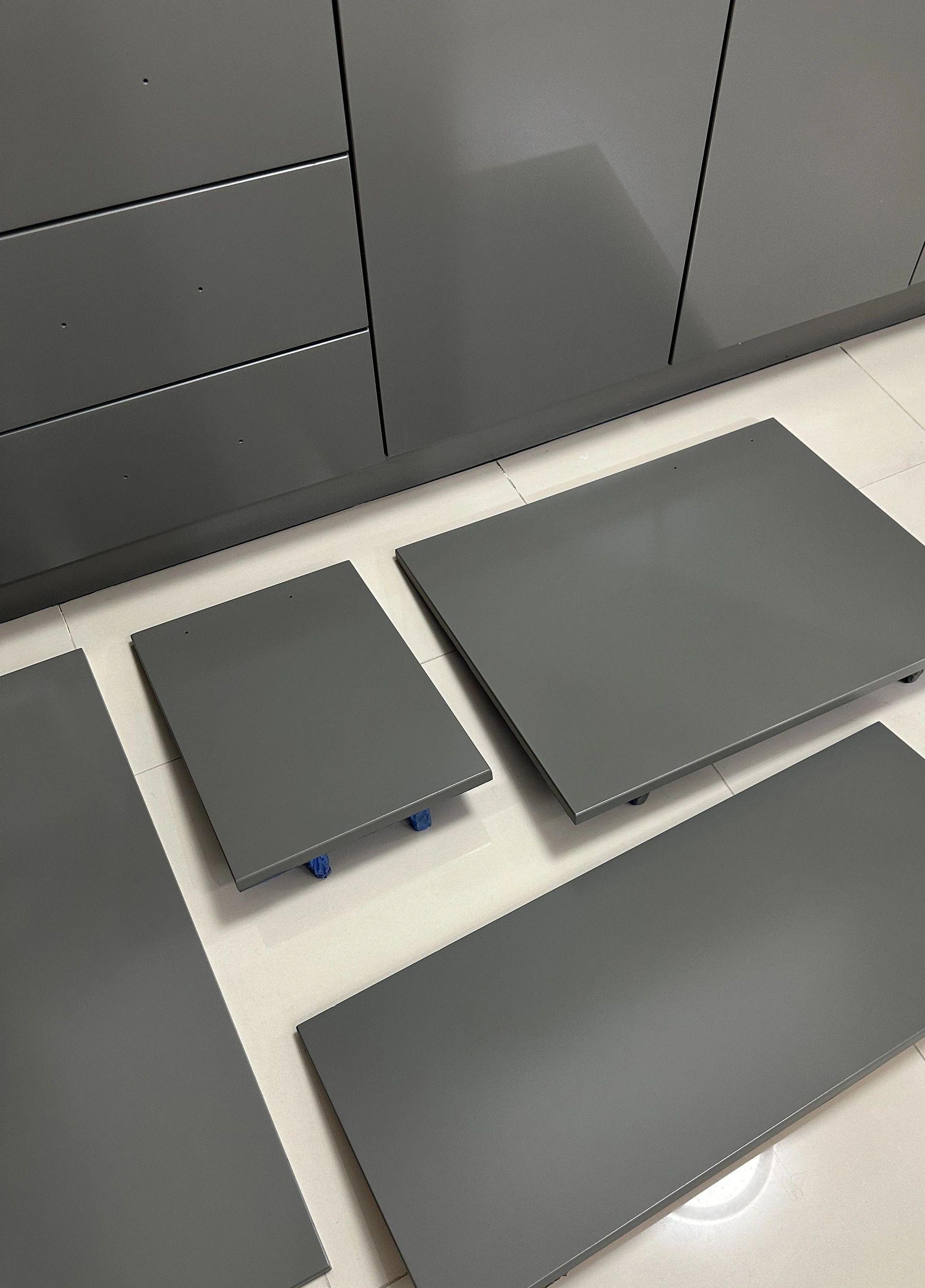
Powdercoat, anodised or steel panels damaged in transport or installation don't have to mean replacement. We rectify them on site — colour-matched before any mass application, and documented so the finish holds and the record is complete.
What it is
The scope, done right
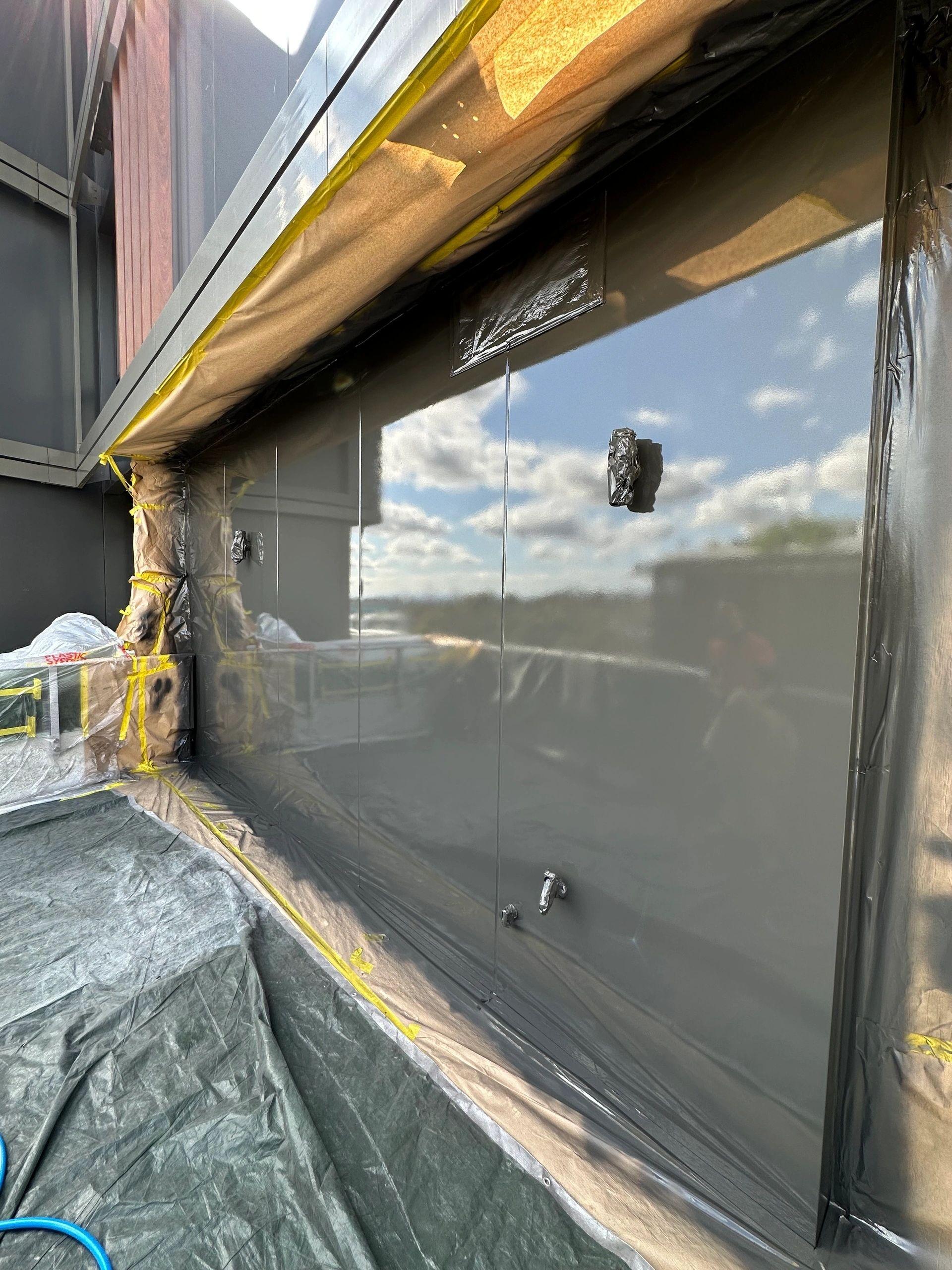
A handover defect list on the facade holds up the whole programme, and every damaged panel forces the same decision: reorder it, or rectify it in place. M&M rectifies powdercoat, anodised and steel panels on site — colour-matched before any mass application, documented with time-stamped photos, and delivered under one subcontract.
Facade damage rarely arrives all at once. Panels get marked in transport and craning, scuffed during installation, then chipped, scratched and over-sprayed by the trades that follow. By the time the builder walks the facade before practical completion, the register is a mix of powdercoat scratches, anodised abrasions, coating chips on structural steel and general make-good — spread across several elevations and, often, several storeys. M&M clears that register. We restore facades damaged in transport, installation and by other trades, using procedures developed over 25 years in the trade to meet industry and client standards.
The core decision on every defect is rectify versus replace. Reordering a panel means re-measuring, re-manufacturing, re-delivering and re-installing — weeks of lead time on a critical-path element, plus the access and craning to hang it. Rectifying it in place removes all of that. Compare the total cost and time to close the defect, not our day rate against a replacement panel's unit price. For most transport, installation and following-trade damage, an in-place rectification closes the item faster and keeps a compliant, colour-matched panel on the building.
We work across all three facade substrates, because each behaves differently. Powdercoat is a cured polyester coating that can be colour-matched and refinished; anodised aluminium is an electro-chemical finish where the repair has to read consistently against the surrounding metal in changing light; structural steel carries a protective coating system that must be reinstated to specification, not just made to look right. Where a finish is applied, we use enclosed-area polyurethane and acrylic systems rather than spray-can touch-ups, and structural steel is coated to the engineering specification and Australian Standards. Every colour is matched on site, onto your actual product, before any mass application — so what you sign off matches what was specified.
Thorough documentation is simply good quality-assurance practice. M&M records the condition of each panel on arrival and of the completed rectification with time-stamped photographs, captured as we go, so every item on the register carries a clear before-and-after record. Those records sit alongside the ITP for the works in live project documentation and on OneDrive, giving you a complete, traceable handover record. Because they also capture the condition of adjacent work at each stage, they help the builder recover the cost of any damage caused by other trades — a practical benefit of keeping good records, not the reason for them.
The register keeps growing right up to handover. M&M runs project-specific, trained tradespeople under quality-control managers and can increase labour at any point to hold the date, drawing on 90+ skilled staff across Australia working day and night shifts. If an elevation has to be cleared before an inspection, or the list jumps late, the crew scales to it rather than pushing your programme to the right. Access at height is part of the same capability — our crews carry out rope access, BMU and abseiling works.
It sits within a single multi-trade finishing and rectification subcontract. The same accountable team that rectifies the powdercoat, anodised and steel facade also handles the structural steel coatings, the architectural painting that ties elevations back together — roll, brush, spray, electrostatic and airless — and the pre-launch panel preparation that catches defects before panels are ever installed. One contract, instead of chasing several separate finishing trades across the facade.
Where this scope shows up most: commercial and office towers and airport and metro infrastructure.
What's included
Everything this scope covers
- Powdercoat facade rectification — colour-matched and refinished in place
- Anodised aluminium facade rectification, matched to the surrounding finish
- Structural steel facade rectification and re-coating
- Structural steel coatings applied to the engineering specification and Australian Standards
- Enclosed-area polyurethane and acrylic refinishing rather than spray-can touch-ups
- On-site colour matching onto your product before any mass application
- Facade pre-launch panel preparation delivered under ITP
- Rope access, BMU and abseiling works for rectification at height
- Architectural painting to tie in elevations — roll, brush, spray, electrostatic and airless
- Make-good of over-spray, scuffs, chips and scratches from following trades
- Time-stamped condition and completion photographs as a full quality-assurance record
- ITP and live project documentation with client OneDrive access
- Day and night shifts with surge labour to hold the programme
What this fixes
The handover risks this scope removes
A facade defect list stalling practical completion
Open facade defects hold up inspection and handover. Clearing powdercoat, anodised and steel items in place — with surge labour when the list jumps late — keeps the register closing rather than pushing your date to the right.
A make-good list with no record of prior condition
When following trades mark installed panels, a clear record of the condition matters. Time-stamped condition and completion photos give you a complete quality-assurance trail for each item and capture the state of adjacent work at each stage.
Replacement cost and lead time on damaged panels
Reordering a panel means re-manufacture, re-delivery, access and craning — weeks off the programme. In-place rectification keeps a compliant panel on the building and closes the defect against the total cost to make good, not a replacement unit price.
Coordinating several finishing trades across the facade
Powdercoat, anodised, steel coatings and architectural painting under separate subcontracts means several contractors to chase and several records to reconcile. One multi-trade subcontract puts the whole facade finish under a single accountable team.
How we do it
A documented method, every time
Survey and defect assessment
We walk the facade with your defect register, identify each item by substrate — powdercoat, anodised or steel — and record its condition with time-stamped photos, capturing the state of adjacent work as well so the handover record is complete.
Sample and on-site colour match
Before any mass application, colour and finish are matched on site onto your actual product and approved, so anodised and powdercoat repairs read correctly against the surrounding panels in changing light.
Method statement and ITP
The works are set out in a method statement and inspection and test plan, with hold and witness points agreed, and structural steel coatings specified to the engineering specification and Australian Standards.
Rectification, day or night
Project-specific trained tradespeople carry out the works under quality-control managers, using enclosed-area polyurethane and acrylic systems, with labour scaled up at any point and night shifts used where access or the programme demand it.
QA and documentation
Each rectified item is checked against the ITP and recorded with time-stamped completion photos, held in live project documentation and made available to you on OneDrive.
Inspection and sign-off
We present the completed works against your register for inspection and sign-off, leaving a closed defect list and a documented record for the retention and the defects liability period.
Why it holds up
Evidence, not assurances
Quality assurance built into the work
Time-stamped, documented photos of arrival condition and completed rectification give you a complete, traceable record for every item — the calm standard of a serious specialist team, not just a finished surface.
A finish, not a spray-can touch-up
Refinishing in enclosed-area polyurethane and acrylic systems, colour-matched on site onto your product before mass application, so the repair reads as a matched panel rather than a patch.
All three facade substrates under one scope
Powdercoat, anodised and steel facades are all core capabilities, rectified in place — the whole facade defect list closes with one team rather than being split across trades.
Coated to the specification and Australian Standards
Structural steel coatings are applied to the engineering specification and Australian Standards, using established coating systems and instruments — a compliance position, not just an aesthetic one.
Labour that surges to your date
We can increase labour at any given point, drawing on 90+ skilled staff across Australia working day and night shifts, so a growing register does not become a programme slip.
Documentation clients can see at any time
ITPs, live project records and time-stamped images are available to you on OneDrive throughout — an audit trail for the defect close-out and the defects liability period.
Proof
Case studies featuring this service
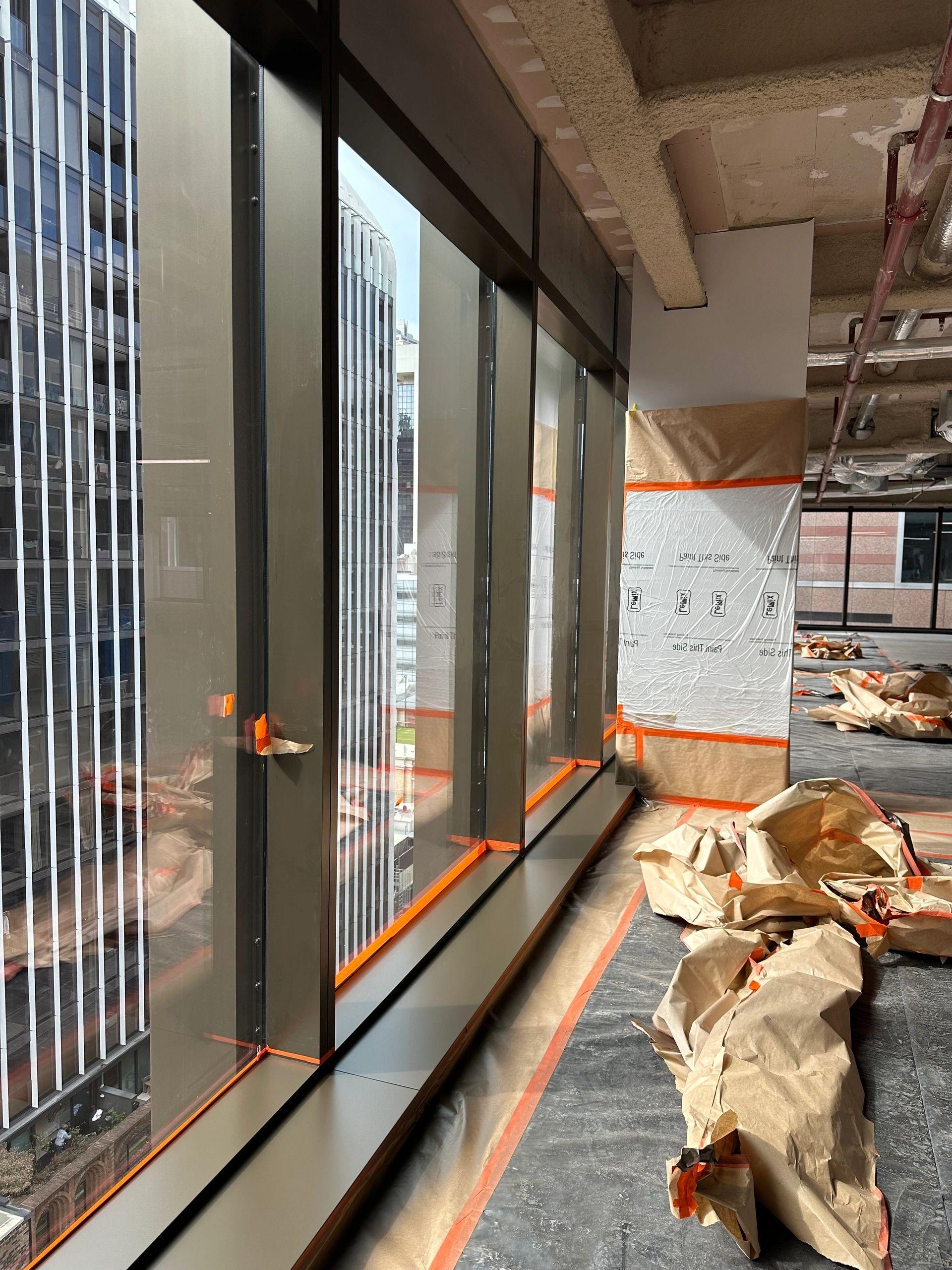
One Sydney Harbour
Barangaroo, Sydney NSW
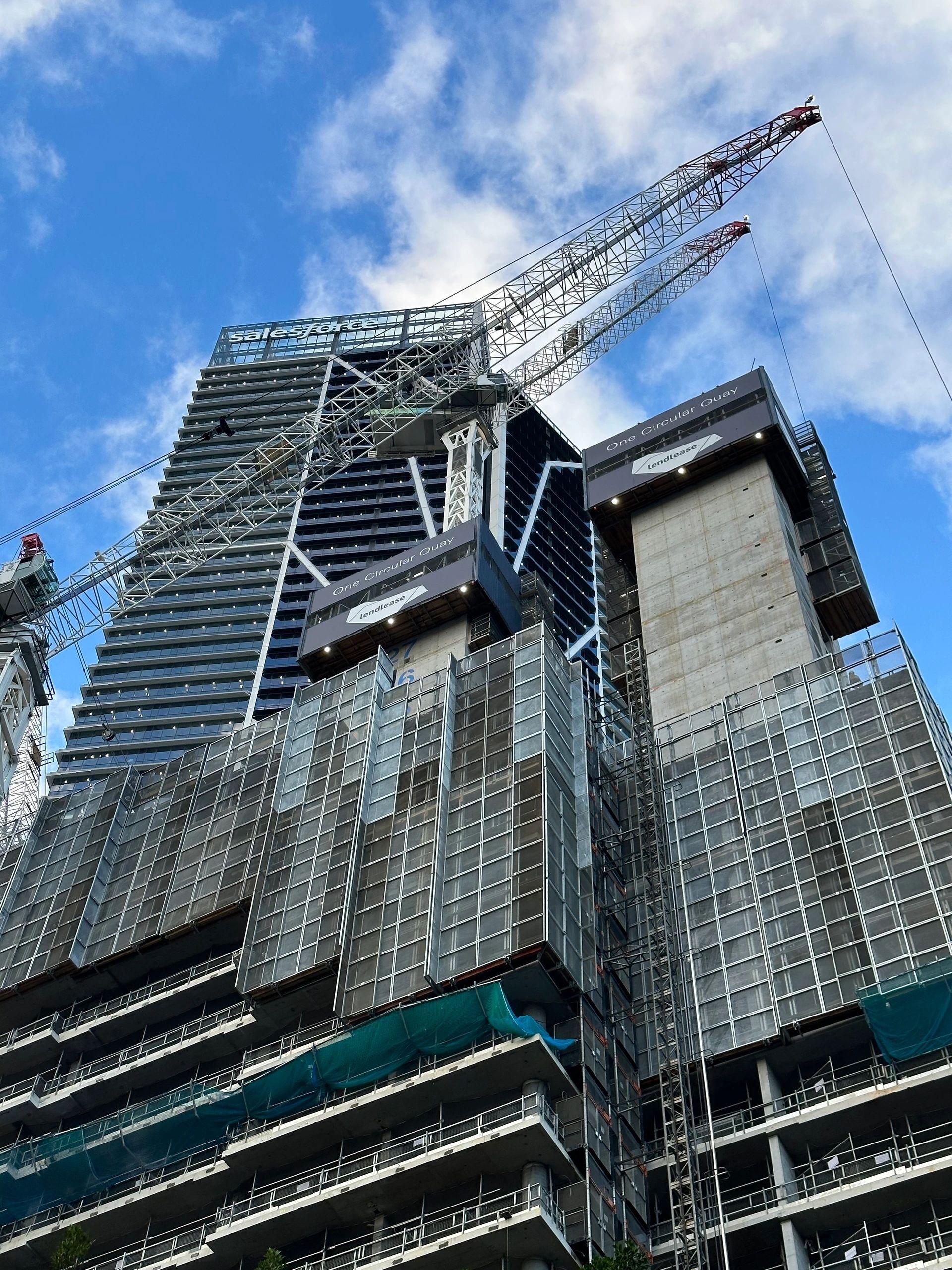
One Circular Quay
Circular Quay, Sydney NSW
Western Sydney Airport (WSI)
Badgerys Creek, Western Sydney NSW
Service areas
Popular areas for facade rectification
Start with a local scope page, or send us the site address and we will confirm coverage.
Questions
What builders ask us
Projects in safe hands