Industry
Aviation & Transport
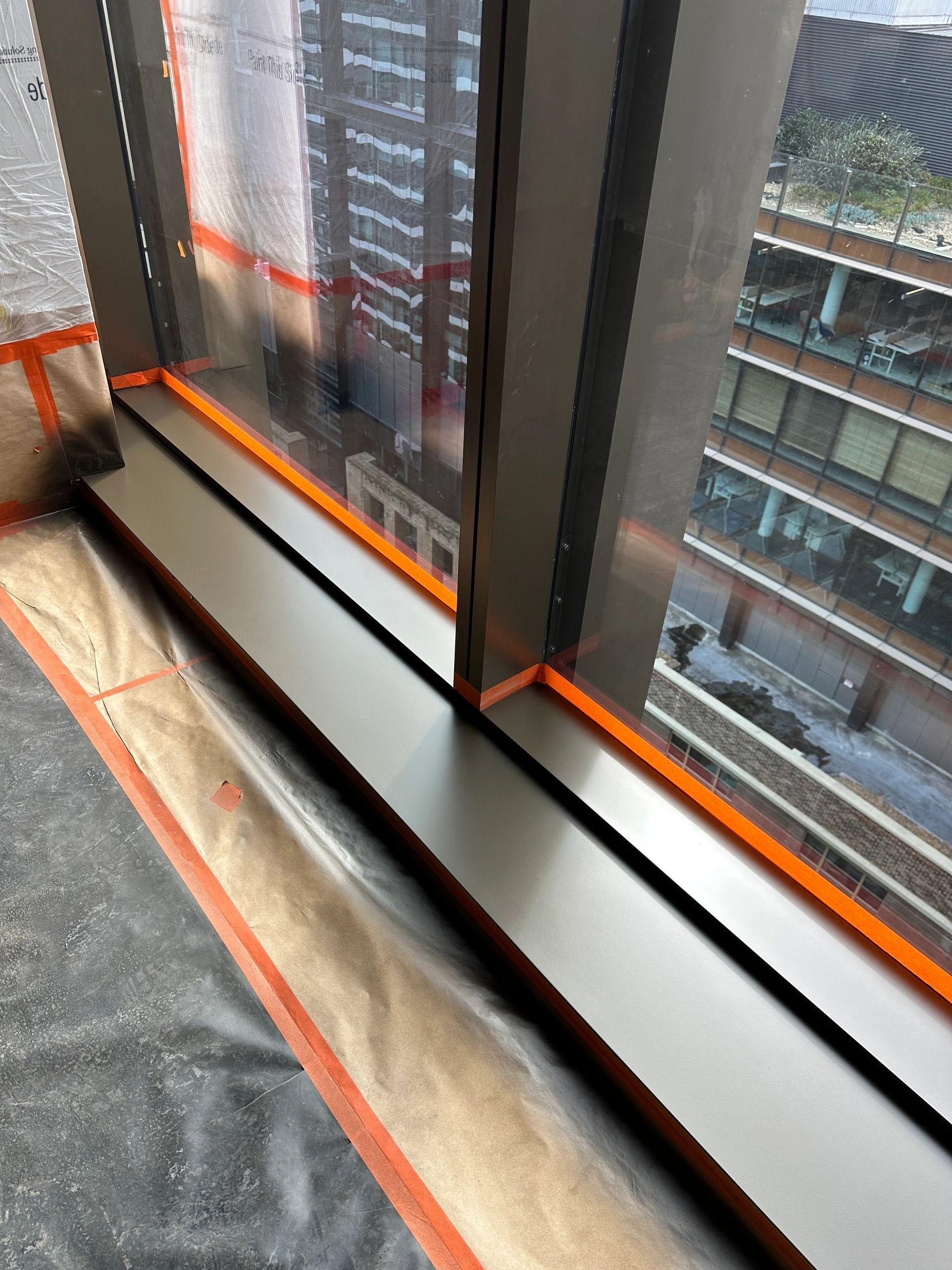
Transport infrastructure is unforgiving on programme and specification. Our aviation and metro scope covers facade rectification, steel spray painting to engineering specification, and silicone and expansion-joint work — including silicone joints around glass balustrades at Western Sydney Airport and silicone services across Sydney Metro stations.
The sector
Finishing and rectification in aviation & transport
Aviation and transport is the most programme-driven sector a specialist finishing team works in. Airports, metro and rail stations, bus and ferry interchanges and their over-station developments are built to a fixed opening date set years in advance and tied to timetables, airline schedules, government announcements and public expectation. Unlike a commercial tower, where a slipped practical completion is a commercial matter between builder and developer, a transport asset that misses its window has a visible public cost. That pressure runs all the way down to the trades closing out the last of the facade, steel and sealant defects, and it shapes how the finishing scope has to be planned, staffed and documented.
The finishing and defect profile in this sector is broad and exposed. Transport structures combine unitised curtain wall and rainscreen cladding with large areas of architecturally exposed structural steel — canopies, blade columns, roof trusses, feature portals — where the coating is the finish, not a substrate for something else. Add extensive glazing and glass balustrades, long runs of silicone and expansion joints working across structural and thermal movement, and public-realm surfaces built to take relentless foot traffic, trolleys, weather and cleaning regimes. Every one of these elements is inspected hard at handover because the asset owner is usually a government body or authority holding the asset for decades, not on-selling it.
The access, staging and occupancy constraints are what set this sector apart. Rail and metro work is governed by possession windows — short, booked periods, often overnight or on weekends, when a corridor or platform can be worked safely — and by the reality that adjacent areas may already be live and carrying passengers. Airports layer on security-controlled zones, airside and landside separation, escorted access and identity screening. Works frequently proceed above, beside or over an operating environment, so protection of the public, dust and noise control, and clean reinstatement at shift end are not optional extras but conditions of being allowed on site at all. A finishing crew here has to mobilise to the window, not the other way around.
These are public, audited assets. The head contractor has to hand the authority a defect-free envelope with an evidence trail behind it, and the interfaces are crowded — the facade installer, the structural steel contractor, the head contractor and multiple following trades all touch the same surfaces, so a clear record of the condition of each surface at each stage is simply good QA practice. Restoring a marked panel, a scratched balustrade or a coated steel member in place, with time-stamped records of the condition at each stage, keeps the programme moving and gives every party a clear, traceable account. On infrastructure of this profile, the documentation is part of the deliverable.
What makes it demanding
The handover pressures unique to aviation & transport
Fixed opening dates with no float
Transport assets open to a date locked to timetables and public commitments. The finishing and defect scope sits at the very end of the programme, so any compression upstream lands on the trades closing out facade, steel and sealant defects last. Holding that date means being able to add labour and run additional shifts at short notice rather than working a fixed crew at a fixed pace.
Possession windows and live-environment works
Rail and metro finishing often has to happen inside booked overnight or weekend possessions, frequently alongside or above areas already carrying passengers. Work has to start, reach a safe and clean state, and stand down inside the window every time, with public protection, dust and noise control and full reinstatement built into each shift rather than left for a later clean-up.
Security clearance, induction and site access
Aviation and rail sites gate access behind security screening, site-specific inductions and, for rail, safe-working requirements. A crew that isn't cleared and inducted can't reach the defect, so mobilisation planning — not just trade skill — determines whether the programme is met. This is a real constraint on any team unfamiliar with transport access regimes.
Architecturally exposed steel and public-realm durability
Canopies, columns and roof steel are the visible finish and are coated to an engineering specification and Australian Standards, not merely primed. Combined with high-traffic public surfaces, glass balustrades and cladding that has to survive years of use and cleaning, the acceptance bar at inspection is set to whole-of-life durability, not just appearance on opening day.
Movement and expansion joints across a moving structure
Transport structures move — thermally, structurally and under dynamic load. Silicone and expansion joints have to be installed and, where failed or non-conforming, rectified to accommodate that movement and stay weathertight and serviceable long after handover. Failed or missing joints are a weatherproofing defect that blocks close-out and reappears in the defects liability period if not done right the first time.
Proof
Documented aviation & transport work
Also delivered on
- Pitt St South Metro
- Pitt St North Metro
- Victoria Cross
How we deliver here
One accountable finishing team
M&M delivers the transport finishing scope as one engagement rather than a chain of single trades. On an airport or station envelope the defect list fragments across facade panels, exposed steelwork, glass and balustrades, and sealant and expansion joints — normally four or more separate subcontractors, each with its own mobilisation, induction and paperwork through a security-controlled site. Bundling that scope under one contract, one project manager and one set of records removes the coordination the head contractor would otherwise carry across a crowded interface, and gives them a single accountable party for the whole finishing close-out.
The documentation is built for a government or authority client. Every rectification is captured with ITPs, live project records and time-stamped images held on OneDrive and available for the builder to view at any time. On a transport asset where many trades cross the same facade, steel and following-trade interfaces, that record does two jobs — it gives the head contractor an audit-ready quality record for handover to the asset owner, and it captures the condition of each surface, and of the adjacent work, before and after each stage.
With 90+ staff across Australia, day and night shifts and the ability to increase labour at any given point, M&M can plan crews around possession windows and phased openings rather than asking the programme to bend. Night and weekend work, staged access and surge labour to hold a fixed date are the working pattern this sector demands, and they keep the finishing team on the critical path.
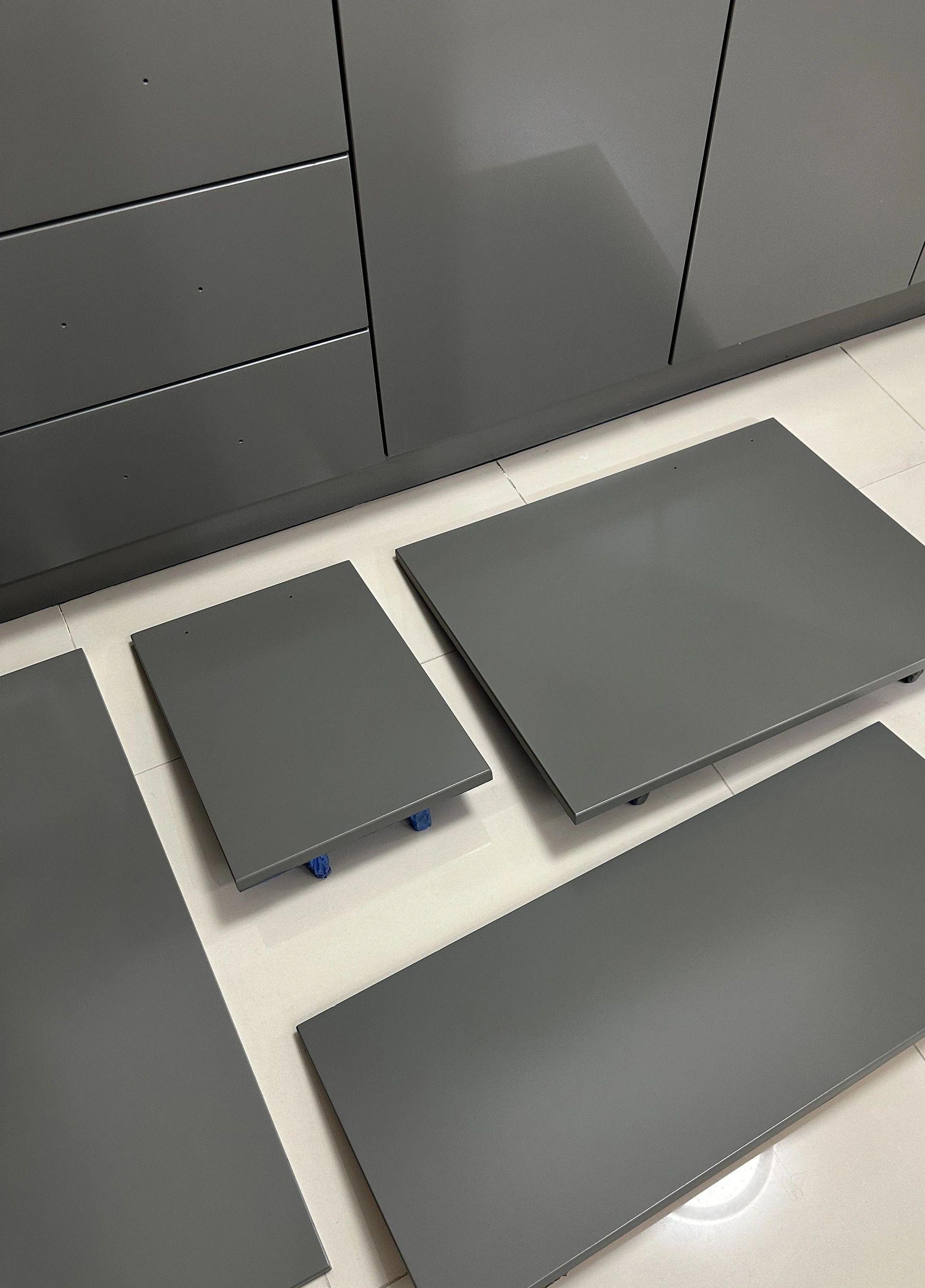
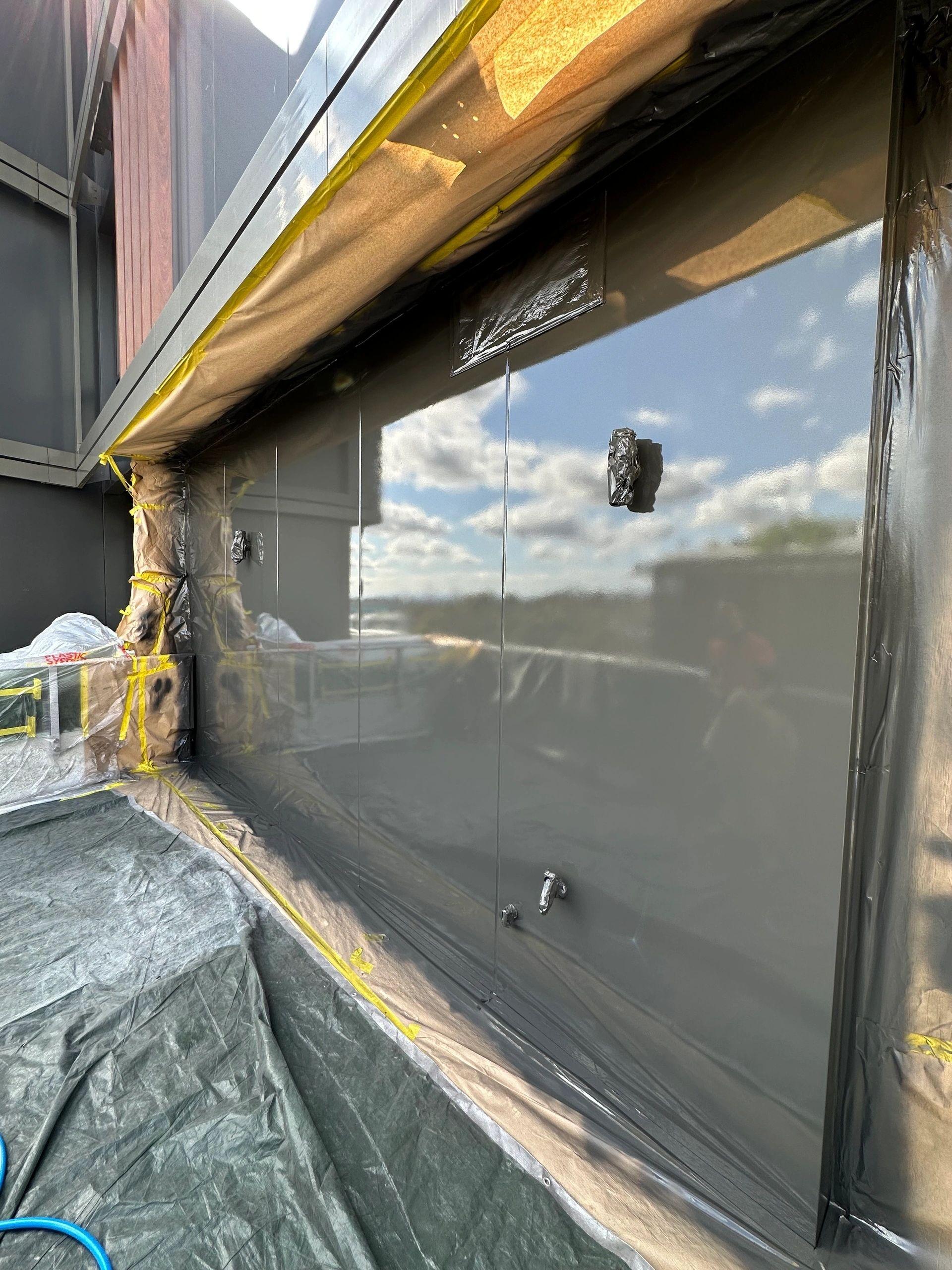
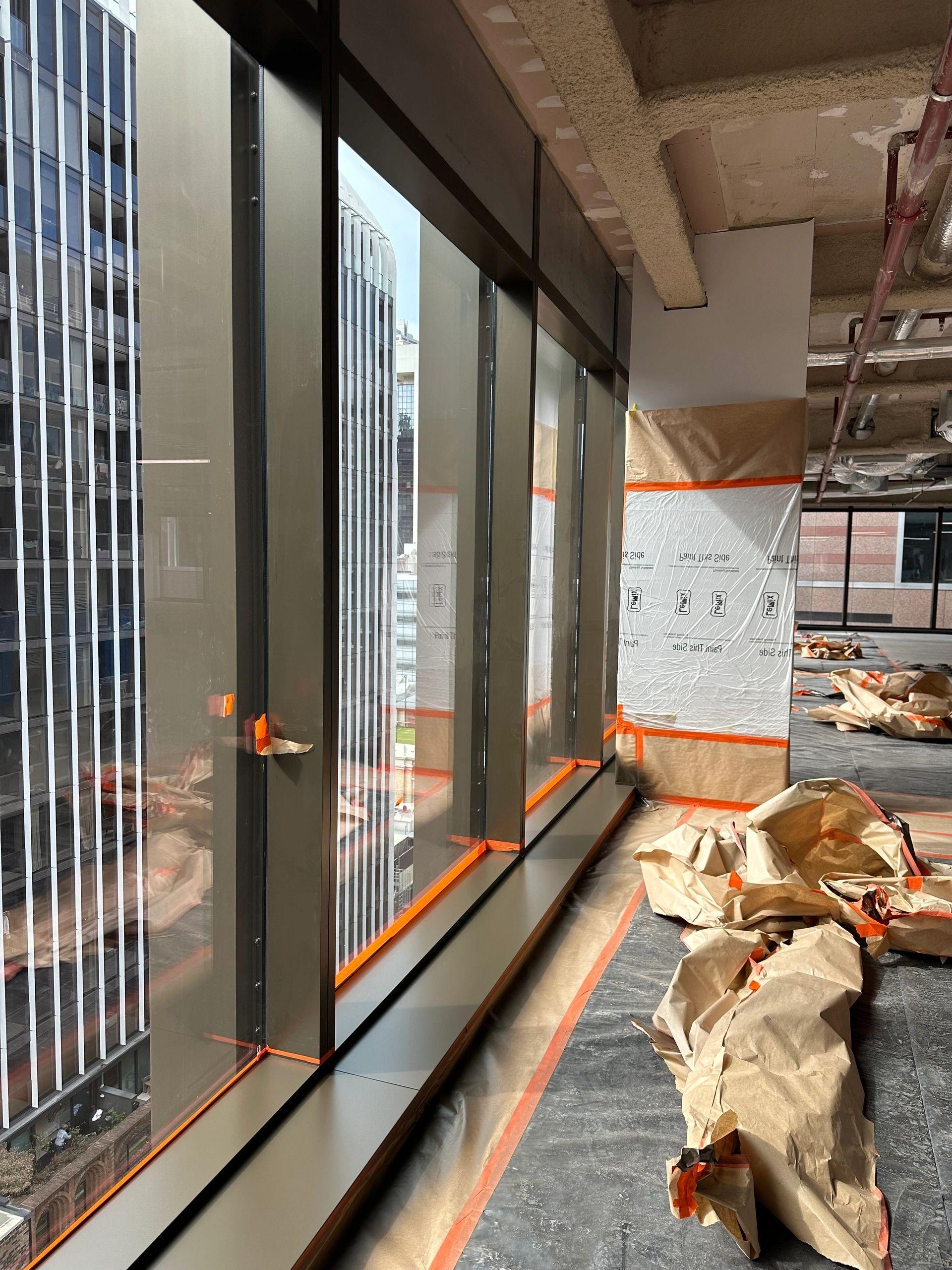
The delivery method favours restoring finishes in place over replacement, which is what a live, access-constrained transport site needs. Exposed steel is coated to the engineering specification and Australian Standards; facade panels — powdercoat, anodised or steel — are refinished using enclosed-area painting of polyurethanes and acrylics rather than spray-can touch-ups, colour-matched on site before any mass application; glass and balustrades are polished to remove scratches and staining; and silicone and expansion joints are installed, inspected and repaired to carry structural movement. Project-specific trained trades work under QC managers to approved methodologies, so the same crew that installs or rectifies the work can stand behind it through the defects liability period.
What we deliver here
The finishing scope for this sector
One team across the trades that close out a handover — engaged together, documented throughout.
Questions
Aviation & Transport — common questions
Projects in safe hands