
Industries
Built for the sectors with the least room for defects
A building's sector sets the rules its finishing and rectification work has to meet — the standard it is inspected against, the window it has to be closed out in, and who signs it off. M&M has delivered facade rectification, surface restoration, coatings and sealant work for builders and facade companies across six of them: commercial and office towers, residential high-rise, hotels and hospitality, aviation and transport, health and education, and retail and mixed-use. The package is the same in each — one coordinated team carrying the finishing and defect scope under a single engagement — but the handover bar it has to clear is not.
Why it matters
The same scope, a different standard in every sector
Facade and surface rectification is judged at handover, and every sector judges it differently. The same scratched anodised panel is a settlement defect an owner will run a finger along in a residential tower, an engineering-specification failure held to Australian Standards at an airport, and a visible mark on a signature public building at a fish market. The trade is identical; the pass mark is not. Sector experience is knowing, before you mobilise, which bar the work will be measured against and building the method around it.
What a specialist team learns in a sector is its defect profile and its constraints — how its handovers actually run. An over-station commercial development compresses fit-out, envelope and public-domain finishes into a live transport environment. An occupied hotel opens once, so glass and finish defects visible to the first guest are brand damage. Hospitals and schools are inspected against occupancy and hygiene rules a retail fit-out never sees. That knowledge decides how the work is staged, sequenced and documented, not just how it is finished.
One team can span all six because the underlying capability travels: project-specific trained trades working under quality-control managers on approved methodologies, with ITP documentation, live records and time-stamped images. Instead of a builder coordinating a chain of single trades — a painter, a stone specialist, a caulker, a polisher — M&M carries facade rectification and commissioning, coatings, glass and stainless polishing, silicone and joinery finishing as one bundle, adapting the method to each sector.
The through-line across every sector is the same commercial logic: restore finishes in place rather than replace them, and document the condition of the work at each stage as you go. Refinishing a panel instead of reordering it protects programme and budget in the final run to practical completion, and time-stamped records capture the condition of adjacent work before and after each stage. That holds whether the handover is a premium office tower, a residential settlement or a transport interchange.
The standard it is inspected against
Transport and aviation work is held to engineering specification and Australian Standards; residential and commercial handovers are gated by NSW Design and Building Practitioners Act compliance declarations and the occupation certificate; health and education carry occupancy and hygiene requirements. The rectification method — and the evidence pack behind it — has to be built to the bar that sector will apply, not a generic finish.
Access, occupancy and staging
An empty tower under construction, an occupied hotel, a live metro station and a functioning hospital are four different worksites. Occupied and public environments mean tighter access windows, discretion, and often night shifts and surge labour to hold the programme without shutting the building down — constraints that shape sequencing before any tool is picked up.
The programme and handover window
Airport and transport programmes do not move for trades; a hotel has a single opening date; residential towers close out against fixed settlement dates. Each sets a different close-out window for the finishing scope, and a compressed one turns a defect list into a programme risk — which is where scalable, day-and-night crews and restore-in-place methods earn their place.
Procurement and prequalification norms
Government and institutional work — health, education, transport, aviation — carries the strongest prequalification, safety and social-procurement obligations, including supplier-diversity and Indigenous-participation targets on publicly funded contracts. Private commercial and residential work runs through builder approved-vendor lists and tender platforms. How a package is procured, and what a business must satisfy to be invited to price it, changes by sector.
Sectors
Choose your sector
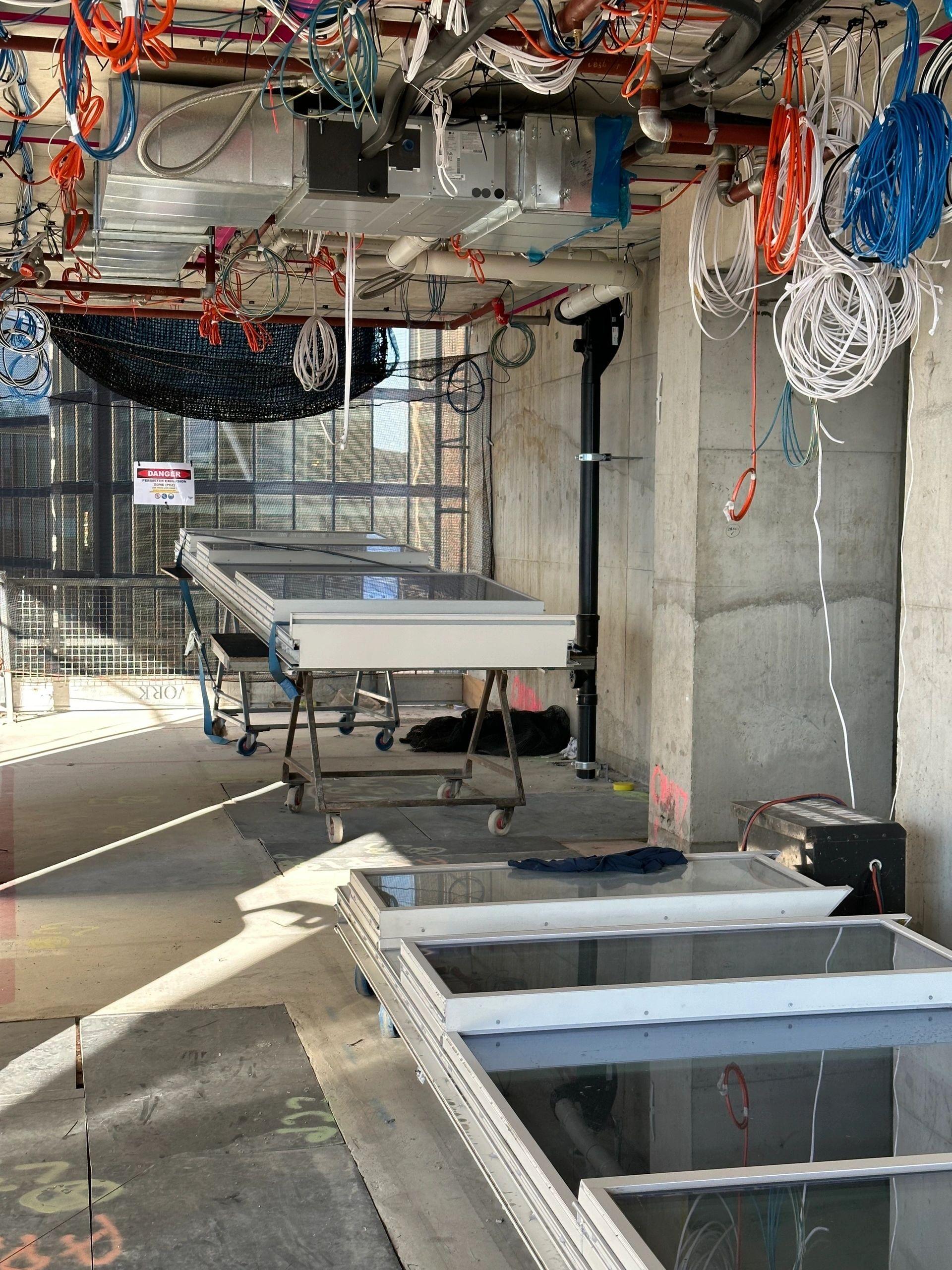
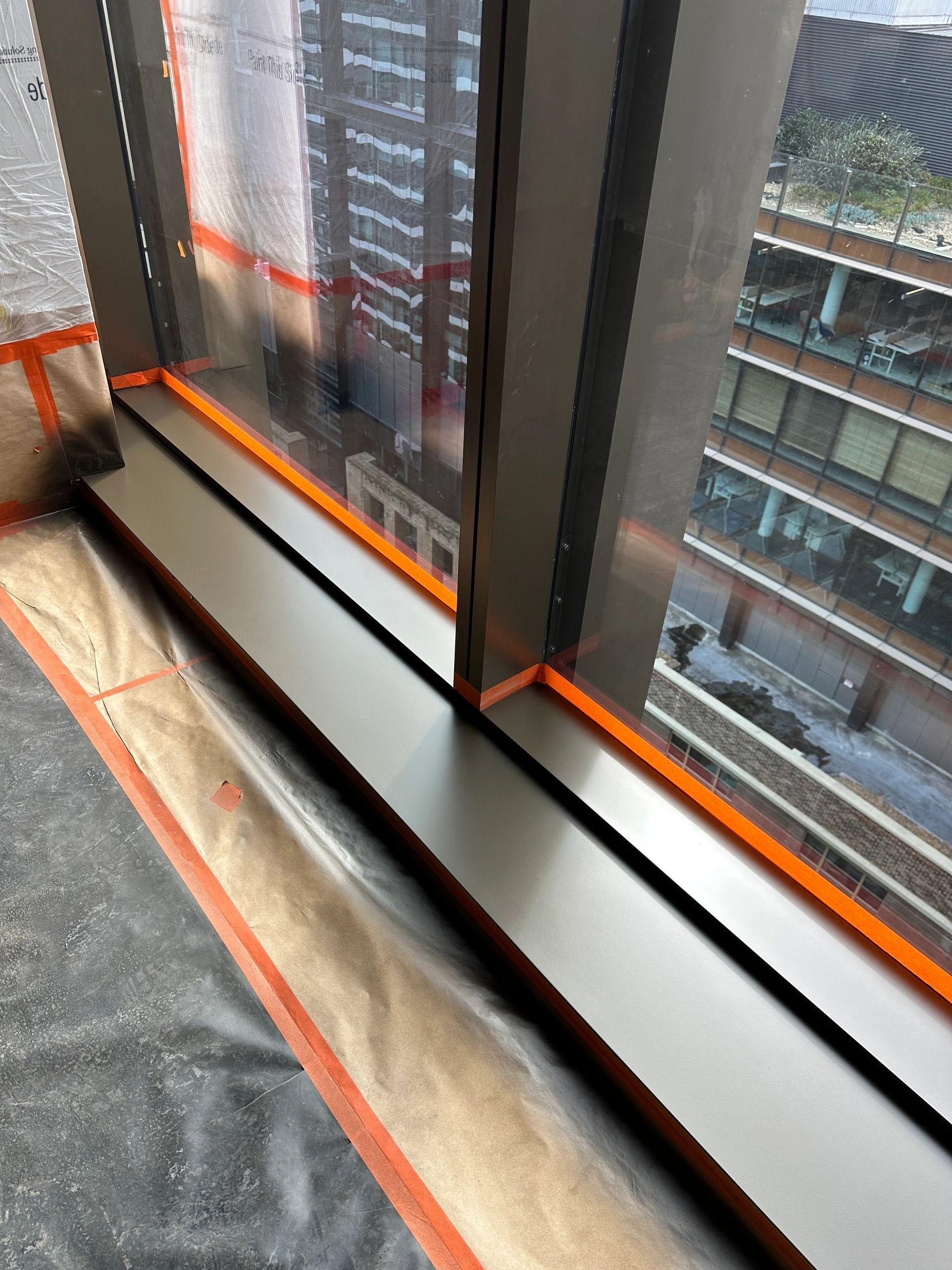
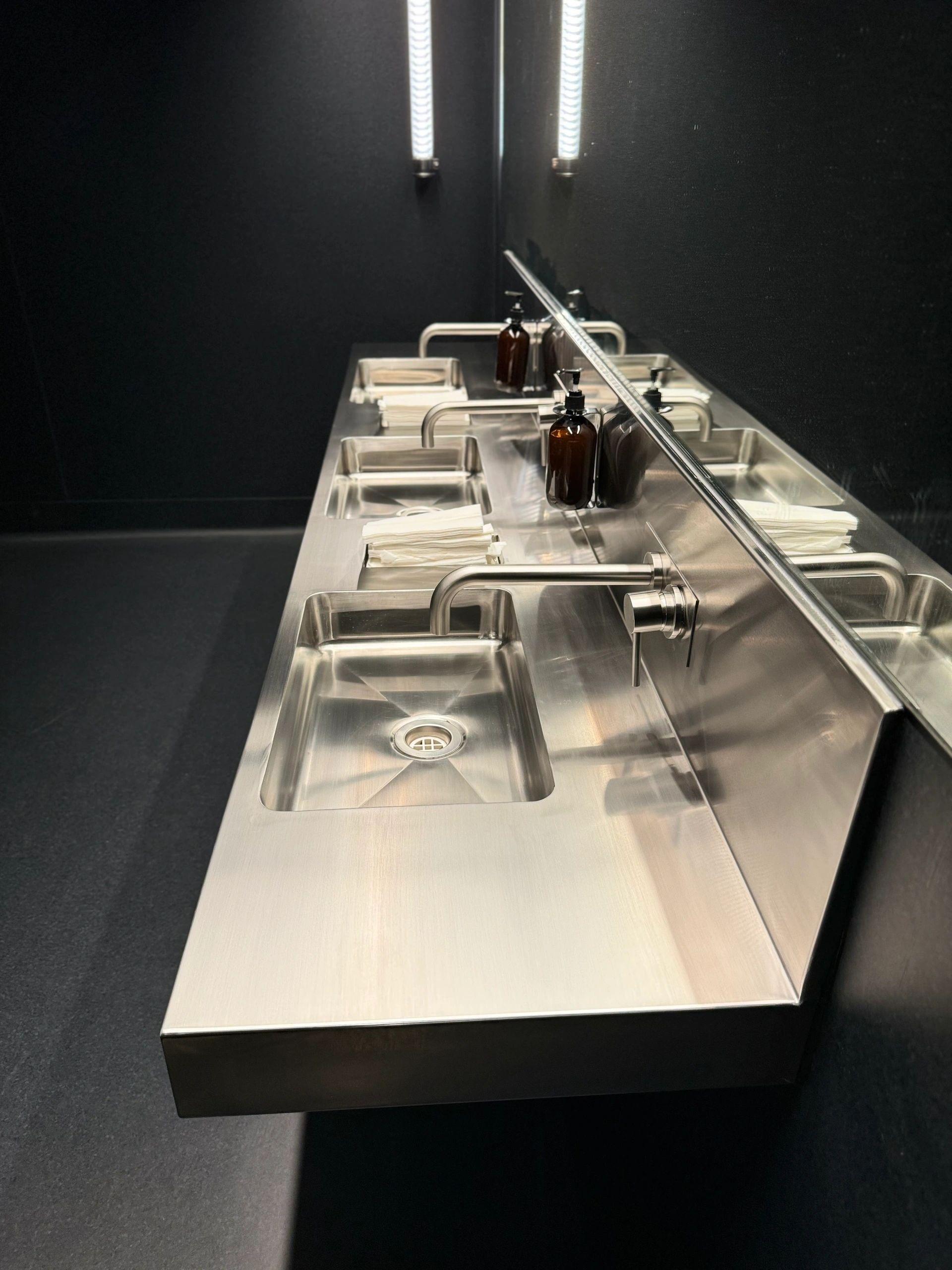
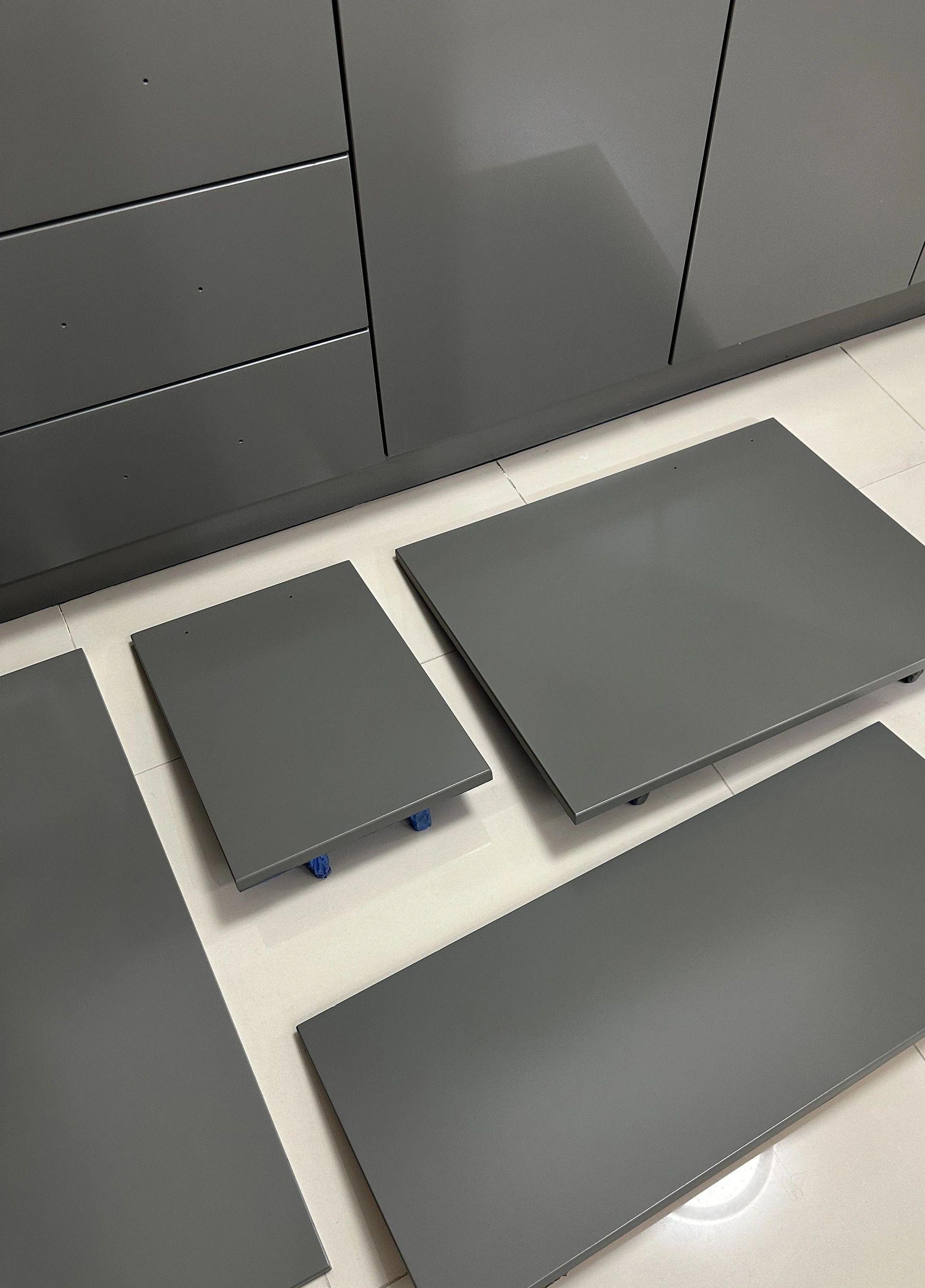
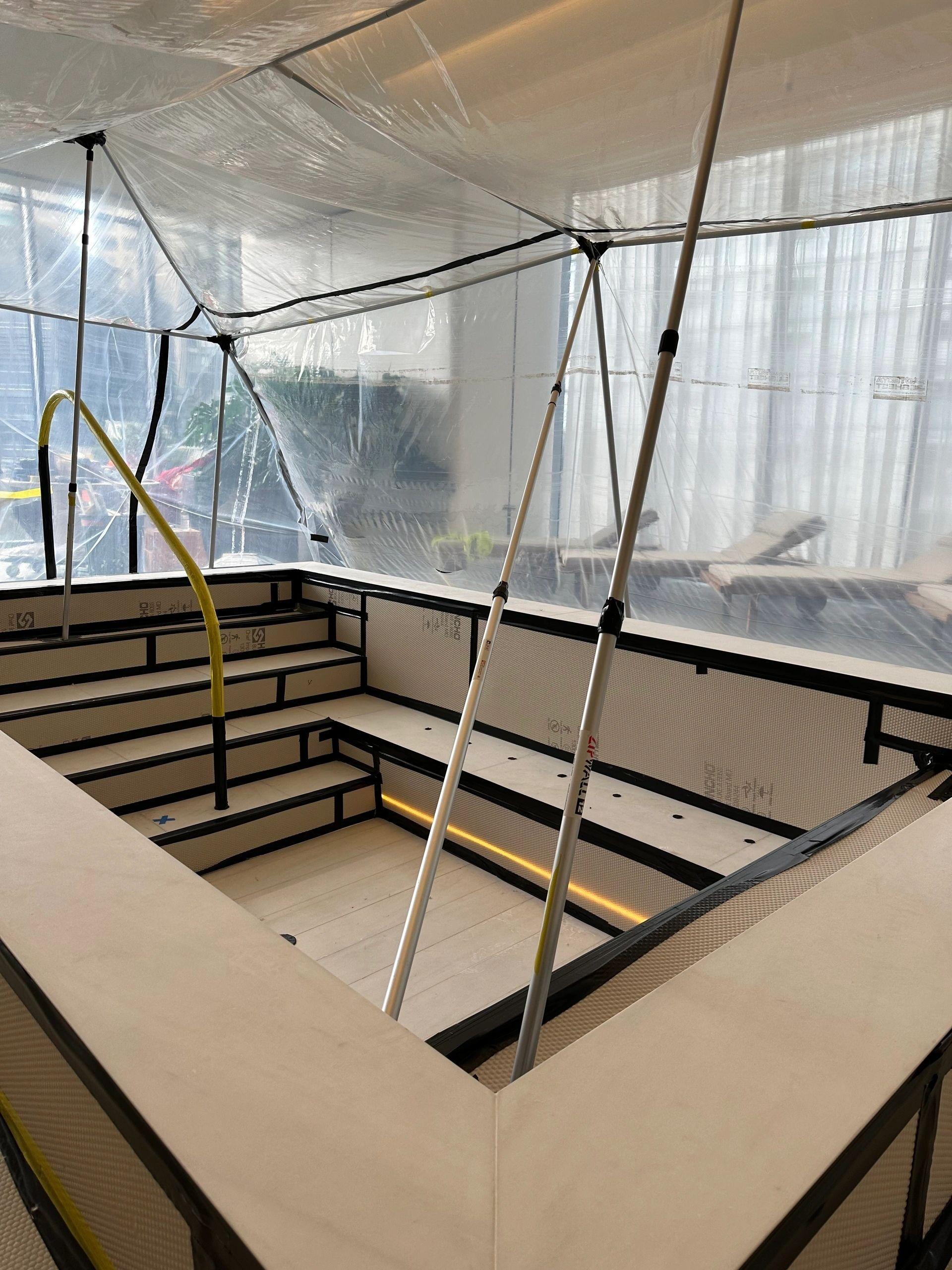
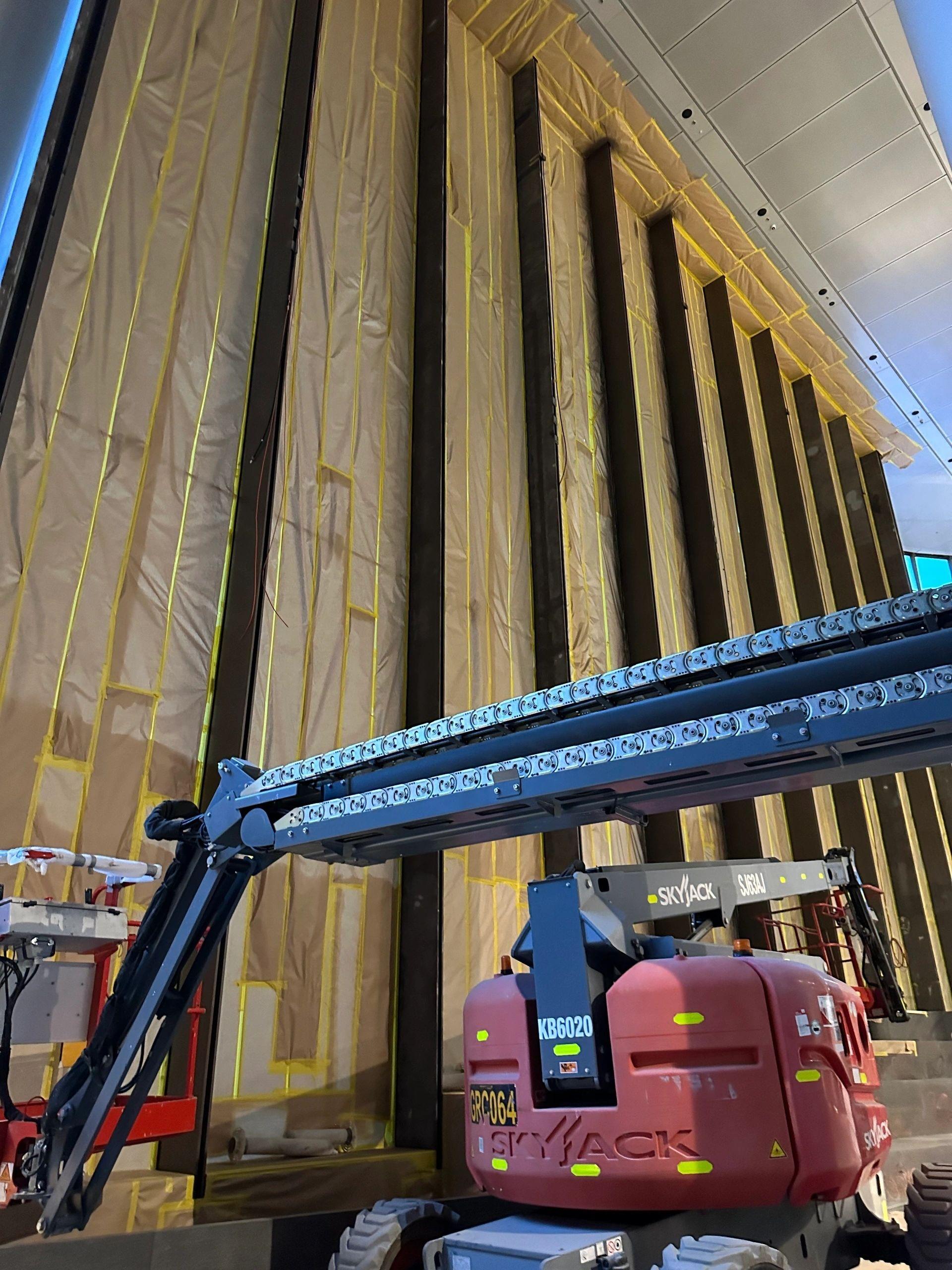
The problem we solve
The handover defect list problem
Every commercial build converges on the same bottleneck. In the weeks before practical completion, the finishing and defect register — scratched glass, water-stained facade panels, scuffed metal, failed or missing sealant, marred joinery, chipped stone — becomes the critical path. None of it is structural, but all of it is visible, and until it is closed the superintendent will not certify practical completion and the certifier will not issue the occupation certificate. The register that looked like a housekeeping list at lock-up becomes the one thing standing between the builder and a handover date fixed in the contract two years earlier.
The list is expensive in ways that never show up as a line in any subcontract. Retention — the share of the contract sum held back through to the end of the defects liability period — stays locked while the register is open, so the builder's working capital sits in the client's account instead of funding the next job. If finishing works push the date, liquidated damages accrue per day against the head contract, and a slipped occupation certificate can stall settlement, tenant fit-out or a hotel opening — costs the client will look to recover downstream. The closer a project gets to its programmed date, the more each open item on the register is worth.
The register also spreads across trades. Finishing defects rarely belong to a single trade: the facade installer, the glazier, the stone mason, the joiner and the caulker each own part of it, and much of the damage is caused by following trades rather than the trade being asked to rectify it. Without a clear record of how each item got there, closing it out slows down while responsibility is worked out, which ties up margin and complicates relationships with subcontractors the builder wants back on the next project. Meanwhile the site team is coordinating five separate mobilisations, five insurances and five programmes to close one list, at exactly the point in the build when it is stretched thinnest.
Engaging one multi-trade finishing team changes the shape of the problem. Instead of chasing five trades, the builder lets a single subcontract covering the finishing scope — facade rectification and commissioning, glass and stainless polishing, caulking, French polishing and surface repair — under one project manager and one point of accountability at handover. Because the same crew can refinish a panel in place and colour-match on site before any mass application, more of the register is closed by restoration than by replacement, avoiding the reorders and lead-times that blow the programme. Labour can be surged across day and night shifts to work the list down inside a compressed window rather than in sequence, so the finishing scope stops setting the critical path.
Just as importantly, the right finishing partner hands back a complete record, not just a closed list. Time-stamped photographs, inspection and test plans and live records shared with the builder document the condition of each item at each stage — which keeps close-out clean and feeds the compliance declarations that now gate sign-off. Handled this way, the defect register stops being a source of programme risk, retention exposure and trade friction and becomes a controlled, documented close-out: one contract, one accountable crew, and a building taken over the line clean the first time.
Projects in safe hands