
Industry
Hotels & Hospitality
Hotel handovers combine architectural finishes, glass and back-of-house metalwork at scale. Our documented hotel scope reflects that mix: surface restoration, industrial and architectural coatings, and glass polishing — capability built over 25+ years of finishing and restoration work on hotels and high-end residential projects.
The sector
Finishing and rectification in hotels & hospitality
A hotel handover is unusual in that it answers to two clients at once. The head contractor has to reach practical completion and satisfy the developer, but the finished building also has to pass an incoming operator's brand-standard inspection before the operator will take the keys and put rooms on sale. A four- or five-star flag brings its own punch list — the interior designer's snag list, the operator's technical services audit and the defects manager's register all run in parallel, and a finish that would pass on a commercial floor gets marked down in a guest-facing lobby, suite or restaurant. The bar is set at what a paying guest sees from a metre away.
The finishing and defect profile is dense and high-value. Public areas concentrate feature joinery, natural stone, decorative metal, mirror and large-format glazing into lobbies, bars, restaurants, ballrooms, spa and pool surrounds — the surfaces the brand is sold on. Guestroom floors then repeat the same finishes across hundreds of near-identical rooms, so a single recurring defect becomes a defect multiplied by the room count. Back-of-house adds another layer: commercial-kitchen stainless, service-lift lobbies, handrails and plant-room coatings that never see a guest but still have to be signed off. Most of this damage is not original workmanship failure — it is transport and installation marking, and knocks caused by following trades during a compressed fit-out.
The access and staging pressures are what make hotels harder than a comparable tower. The opening date is fixed months out and tied to bookings, events and an operator's revenue calendar, so the programme does not move to suit a defect list. FF&E and OS&E — furniture, fixtures, equipment, and the operating supplies — land late and heavy, and their installation routinely scratches, chips and scuffs finishes that were already complete and signed off. Many hotels then open in phases: lower floors, a restaurant or the lobby bar begin trading while upper floors are still being finished, which turns the back end of the job into live-environment work with noise curfews, odour and dust restrictions, and guest sightlines that rectification crews have to work around.
A hotel opens once, and the first guests, reviewers and the operator's quality auditors form a judgement on day one that is expensive to reverse. To the operator, a visible scratch on a lobby balustrade or a colour mismatch on a suite joinery panel is a brand-standard failure that can hold up room release or the certificate the operator needs to trade. For the builder, defects in guest-facing finishes are the line items most likely to stall the operator's acceptance and the release of retention, and the ones most crossed by other trades during a crowded fit-out. Restoring finishes in place, to the brand standard, with a documented record of condition at each stage, is how the opening date and the retention both survive.
What makes it demanding
The handover pressures unique to hotels & hospitality
A fixed opening date the defect list can't move
Hotel openings are locked to bookings, events and the operator's revenue calendar, so unlike most builds the programme will not stretch to absorb a growing snag list. Rectification at the back end has to compress into whatever window remains, often requiring surge labour and night shifts to clear guest-facing defects across public areas and every guestroom floor before the operator will release rooms for sale.
Two masters: the builder's register and the operator's brand standard
Practical completion satisfies the developer, but the incoming operator runs its own technical-services inspection against brand standards before takeover, and holds rooms and retention against it. Finishing crews have to close out both the defects manager's register and the operator's punch list — often to a higher, more subjective five-star first-impression standard on anything a guest can see or touch.
FF&E and OS&E install damaging completed finishes
Furniture, joinery, equipment and operating supplies arrive late and are installed through areas that were already finished and signed off, scratching stone, chipping joinery, marking metal and scuffing paint after the fact. This creates a wave of fresh damage in the final weeks, much of it caused by others, and it lands exactly when there is least programme left to fix it.
Repetition across hundreds of near-identical rooms
Guestroom floors repeat the same joinery, stone, mirror, chrome and paint finishes across a high room count, so one recurring defect type multiplies into dozens of line items and any inconsistency between rooms is immediately visible against the approved mock-up room. Rectification has to be systematic and colour-consistent room to room, not a one-off touch-up.
Live, phased openings with guest-area restrictions
Many hotels open floor by floor or bring a lobby, bar or restaurant into trade while upper levels are still being finished. Once any part is occupied, rectification becomes live-environment work under noise curfews, low-odour and dust constraints, and guest sightlines — the same conditions that apply through the defects liability period when rooms are already earning revenue.
Restore, don't replace
A five-star finish without a five-star bill
Restore in place
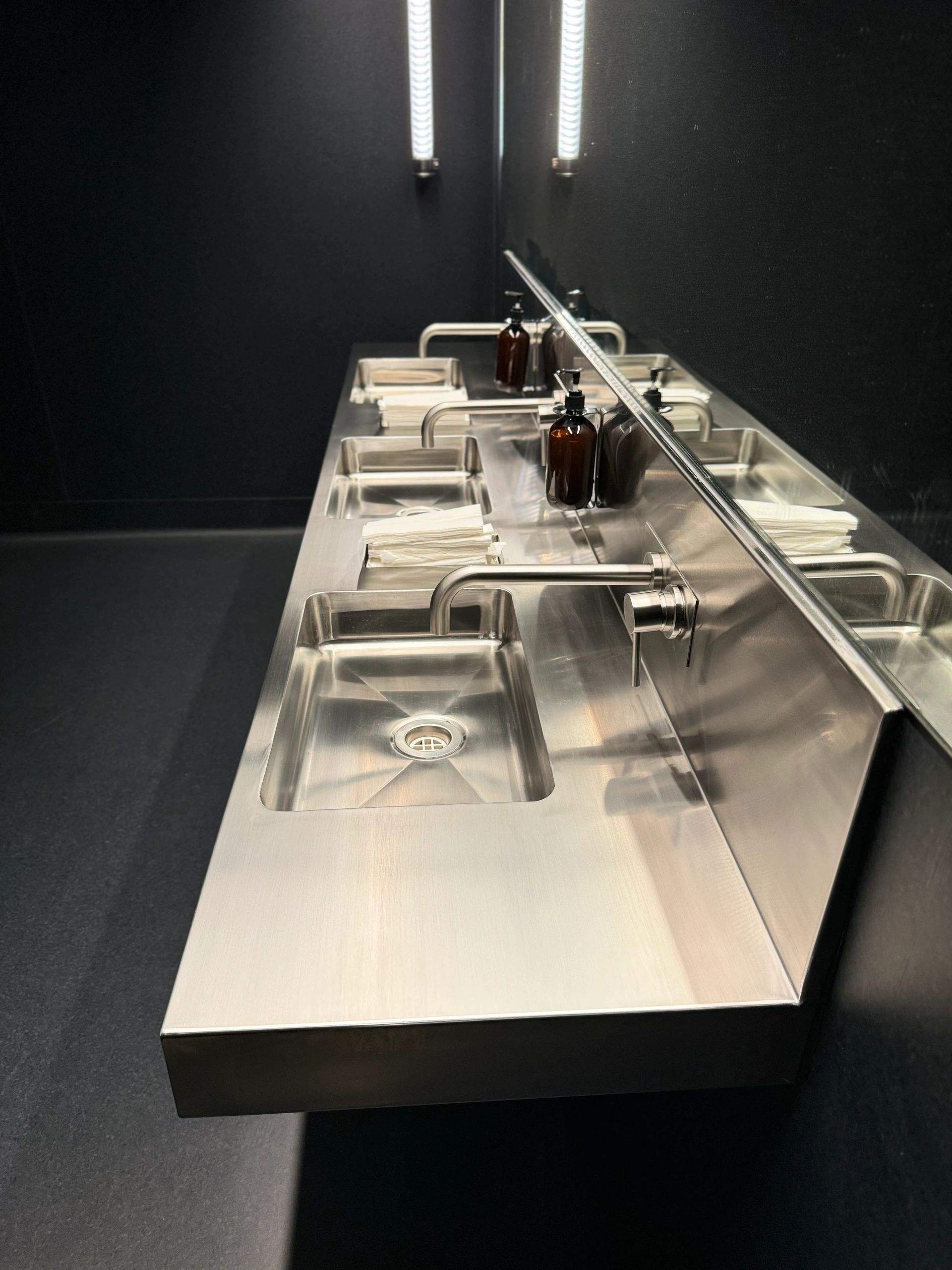
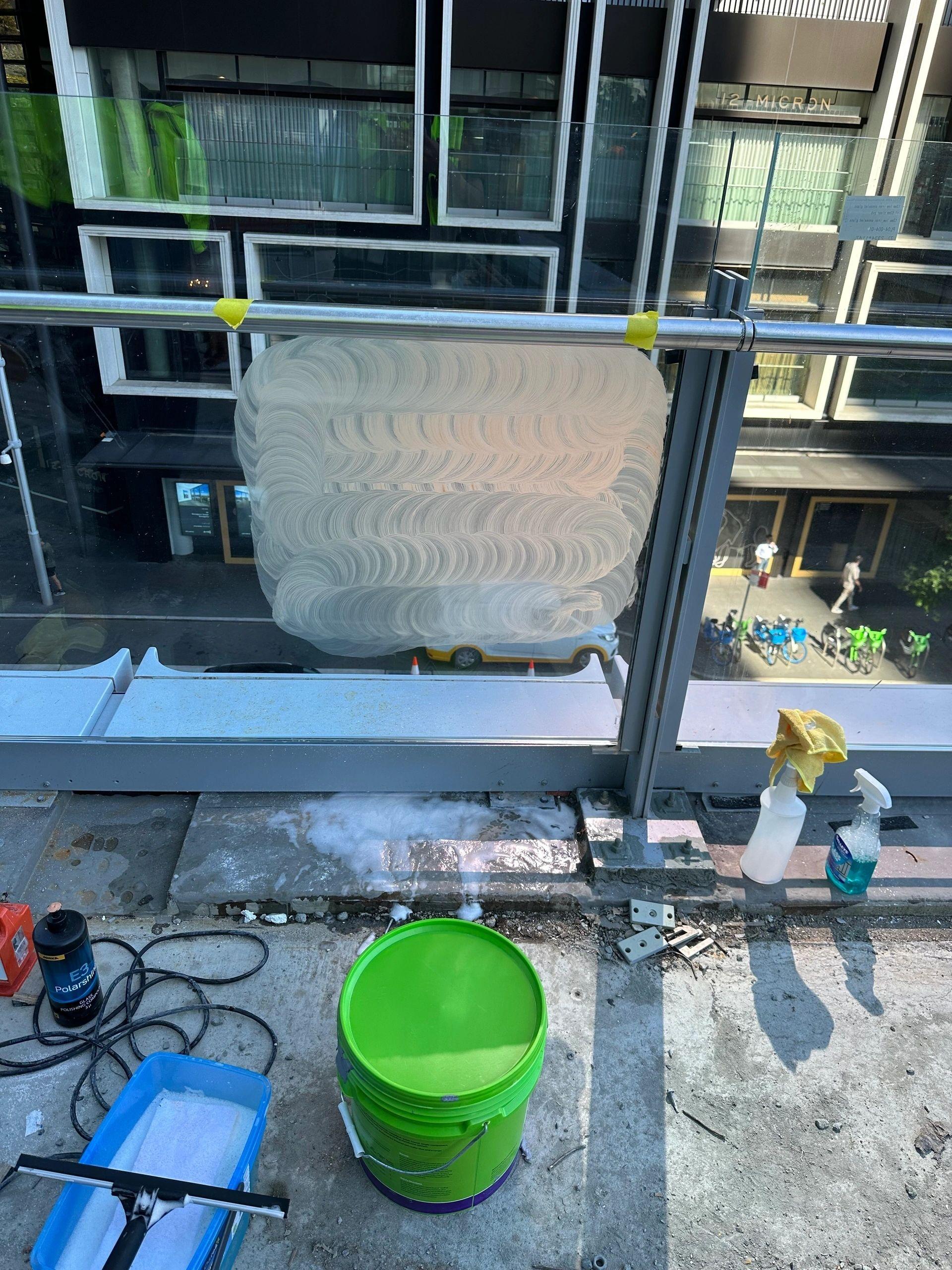
Glass scratch and hard-water removal, stainless and lift-door polishing, stone and joinery repair — restored rather than replaced.
Works around operations
Day and night shifts, so the work fits around a running hotel.
Multi-trade, one visit
Coatings, glass, metal, stone and joinery closed under one contract, one point of accountability.
Proof
Documented hotels & hospitality work
Also delivered on
- A by Adina Hotels
- Crown Towers Sydney
How we deliver here
One accountable finishing team
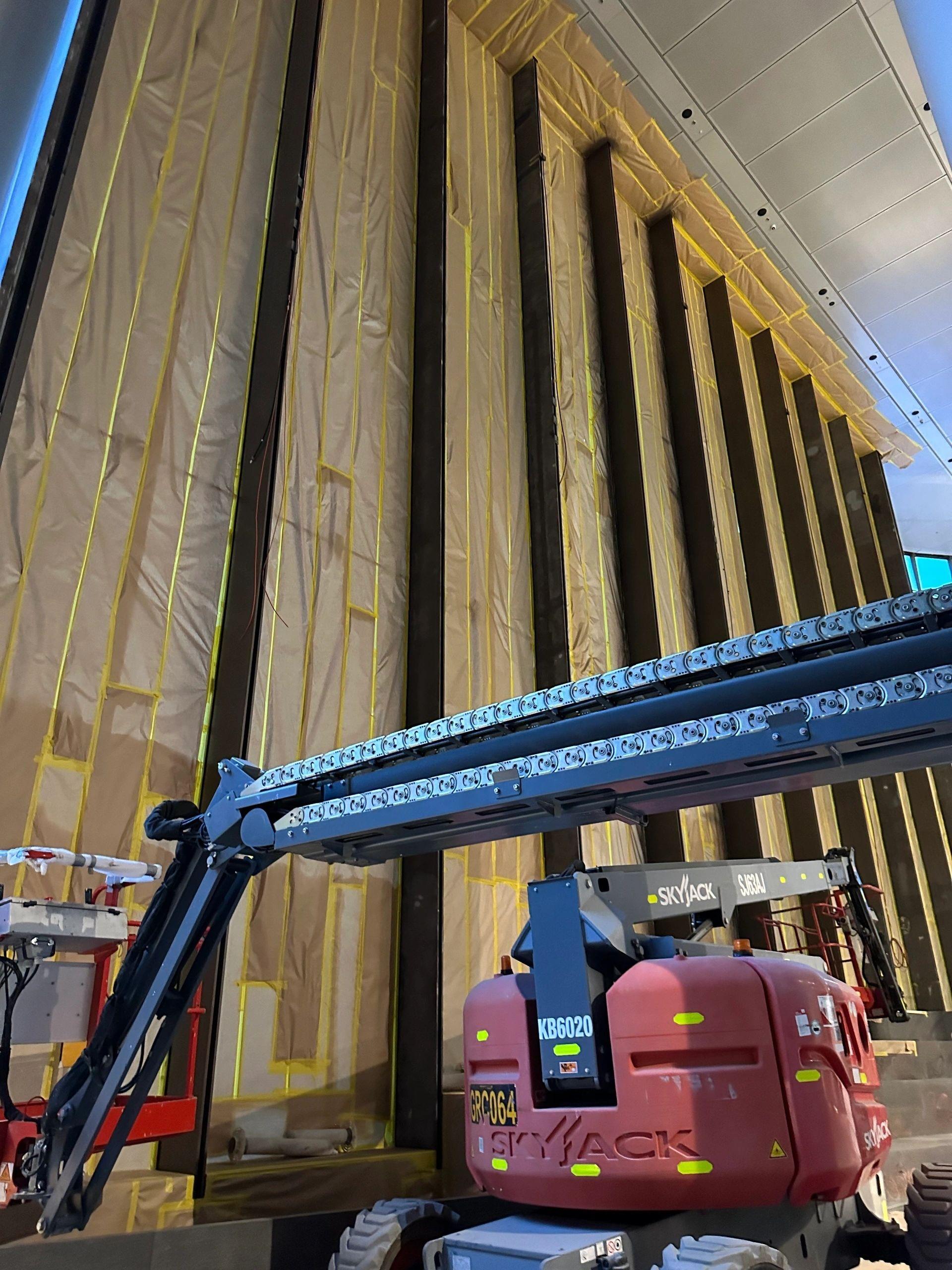
We take the whole finishing and defect scope as a single engagement, which is what a compressed hotel handover most needs. Instead of the builder coordinating a painter, a stone specialist, a French polisher, a stainless polisher, a glazier and a caulker as separate packages — each with its own mobilisation and its own records — one team clears facade and public-area finishes, guestroom joinery and surfaces, back-of-house metalwork and sealant joints together. That removes the multi-trade sequencing gap at the exact point in a hotel programme where it does the most damage, and gives the builder one point of accountability against both the defects register and the operator's brand-standard punch list.
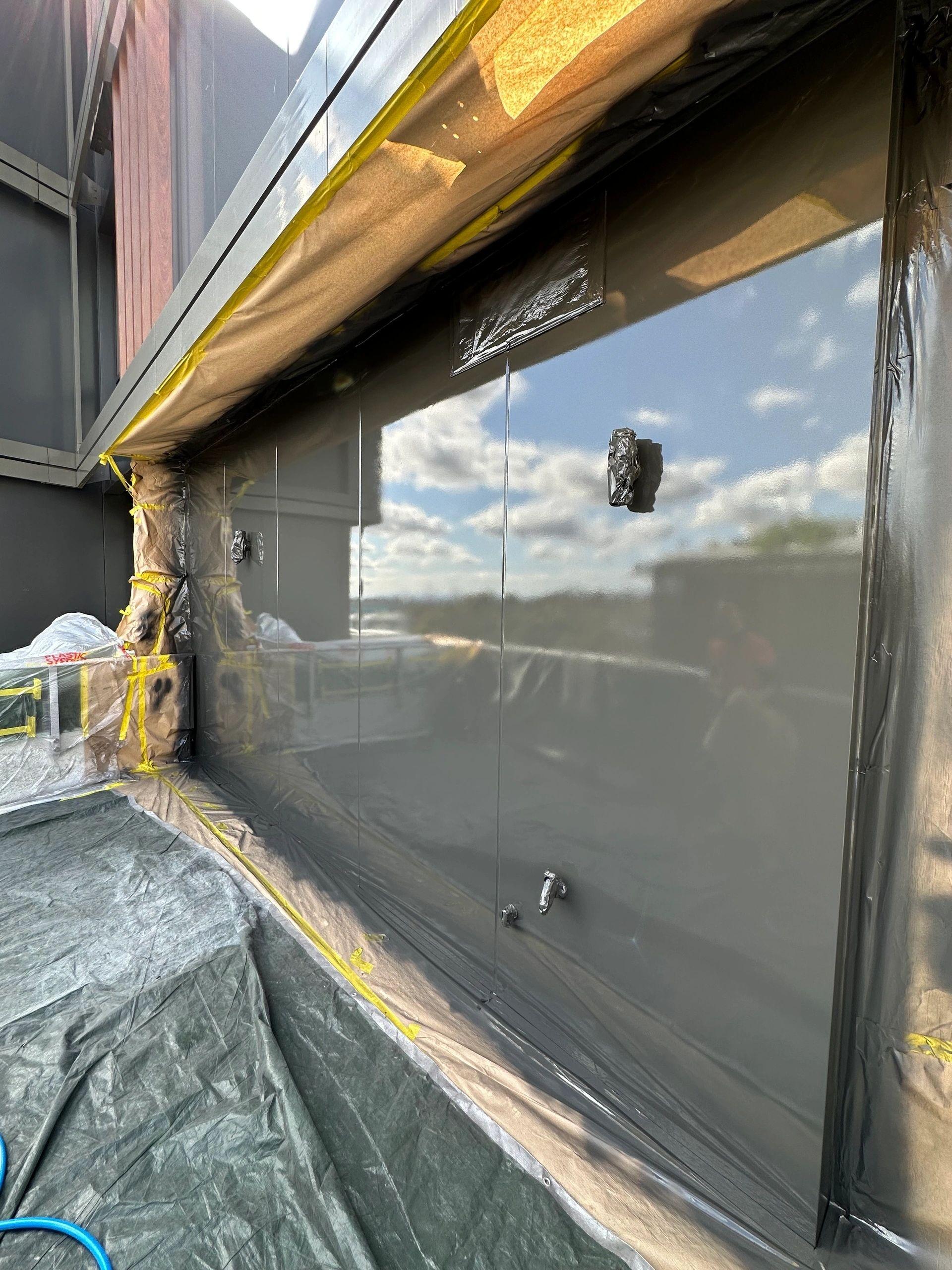
Our default is to restore in place rather than replace, because on a hotel a replacement panel, stone slab or glazing unit carries a lead time the opening date cannot absorb. Damaged joinery is refinished and colour-matched on site — the colour is matched to your product and signed off before any mass application, so a repaired suite panel reads consistently against the approved mock-up room and against the hundreds of rooms around it. Scratched and hard-water-marked glass is polished rather than reordered, stainless handrails, lift doors and kitchen surfaces are refinished in situ, and stone, tile, bath, mirror and chrome damage is rectified as surface work. Refinishing of coatings is done in enclosed-area polyurethane and acrylic systems rather than spray-can touch-ups, which is what holds up under guest-facing scrutiny.
With 90+ trained staff across Australia and the ability to add labour at any point, we run day and night shifts to hit a fixed opening. Once a hotel is partly trading, night and back-of-house working keeps rectification out of guest sightlines and inside noise and odour constraints. The crews are project-specific trained trades working under QC managers to approved methodologies, so consistency holds across a repetitive guestroom fit-out rather than drifting room to room.
Every rectification is documented as it happens: ITPs, live project records and time-stamped images made available to the builder on OneDrive. On a hotel that record does two jobs. It gives the head contractor an audit-ready quality package to hand the operator's technical-services team at takeover. And where finishes are marked by following trades during FF&E and OS&E installation, the time-stamped photographs record the condition of the surface at each stage, giving the builder a complete, traceable account of the finish at handover.
What we deliver here
The finishing scope for this sector
One team across the trades that close out a handover — engaged together, documented throughout.
Questions
Hotels & Hospitality — common questions
Projects in safe hands