Our services
Facade & surface rectification services across Australia, under one subcontract
Near practical completion, the defect register rarely respects trade boundaries. A single apartment level can carry damaged powdercoat panels, a scratched lift door, hard-water staining on the glazing, a failed silicone joint, chipped stone and a water-marked veneer panel — six different trades on one make-good list. M&M covers that whole scope under one subcontract: one project manager, one bundled scope, one accountable team, backed by 25+ years in the trade and 90+ staff across Australia.
The model
One accountable team for the whole finishing list
The problem at handover is not usually the size of any single defect. It is the coordination. Every extra subcontractor on a make-good list is another firm to induct, another set of insurances and SWMS to verify, another programme to slot into an already-compressed run to practical completion, and another party who will tell you the damage was there before they arrived. Five subcontractors converging on the same level near handover add interfaces, and interfaces are where programmes slip and retentions get held.
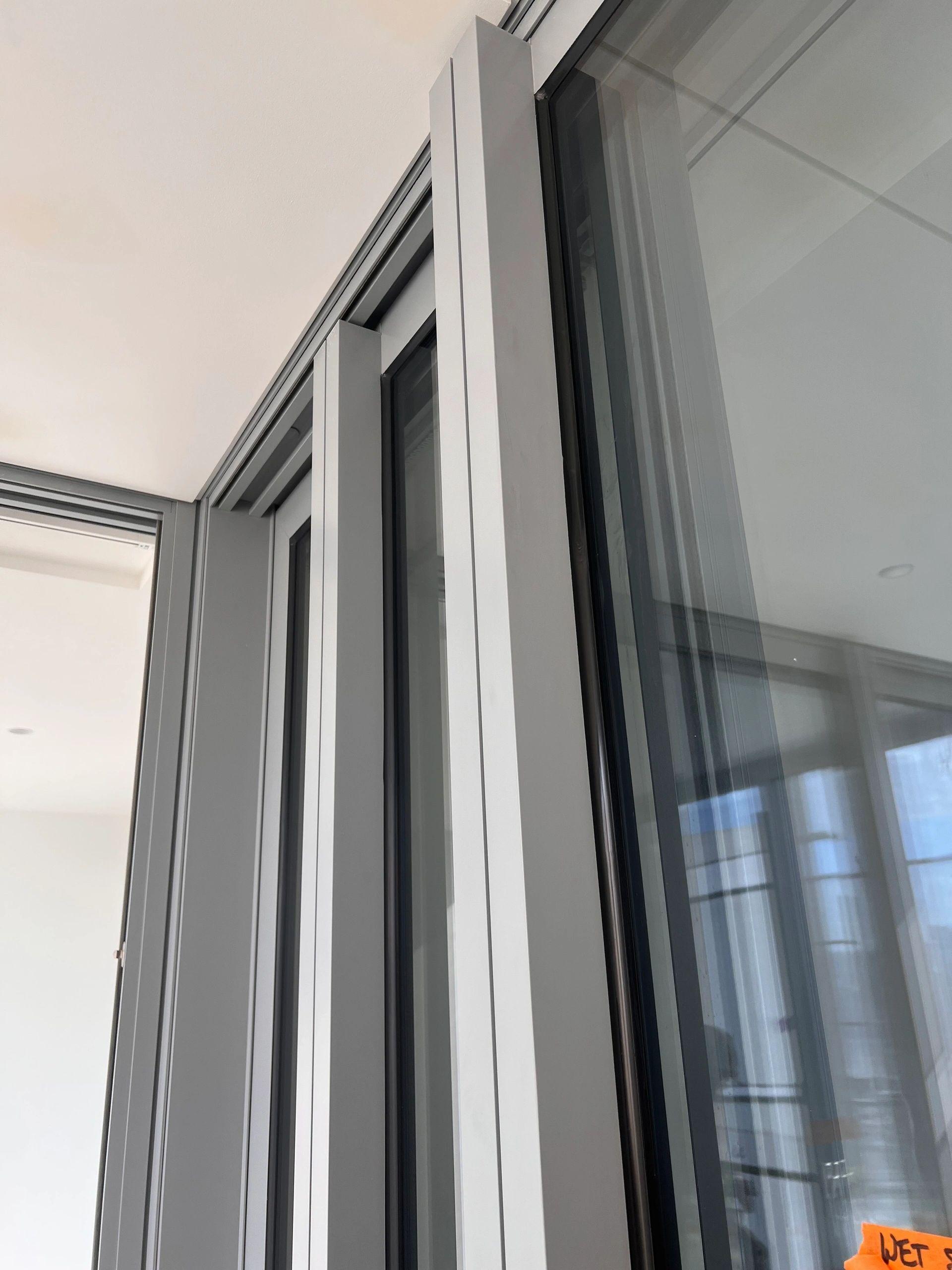
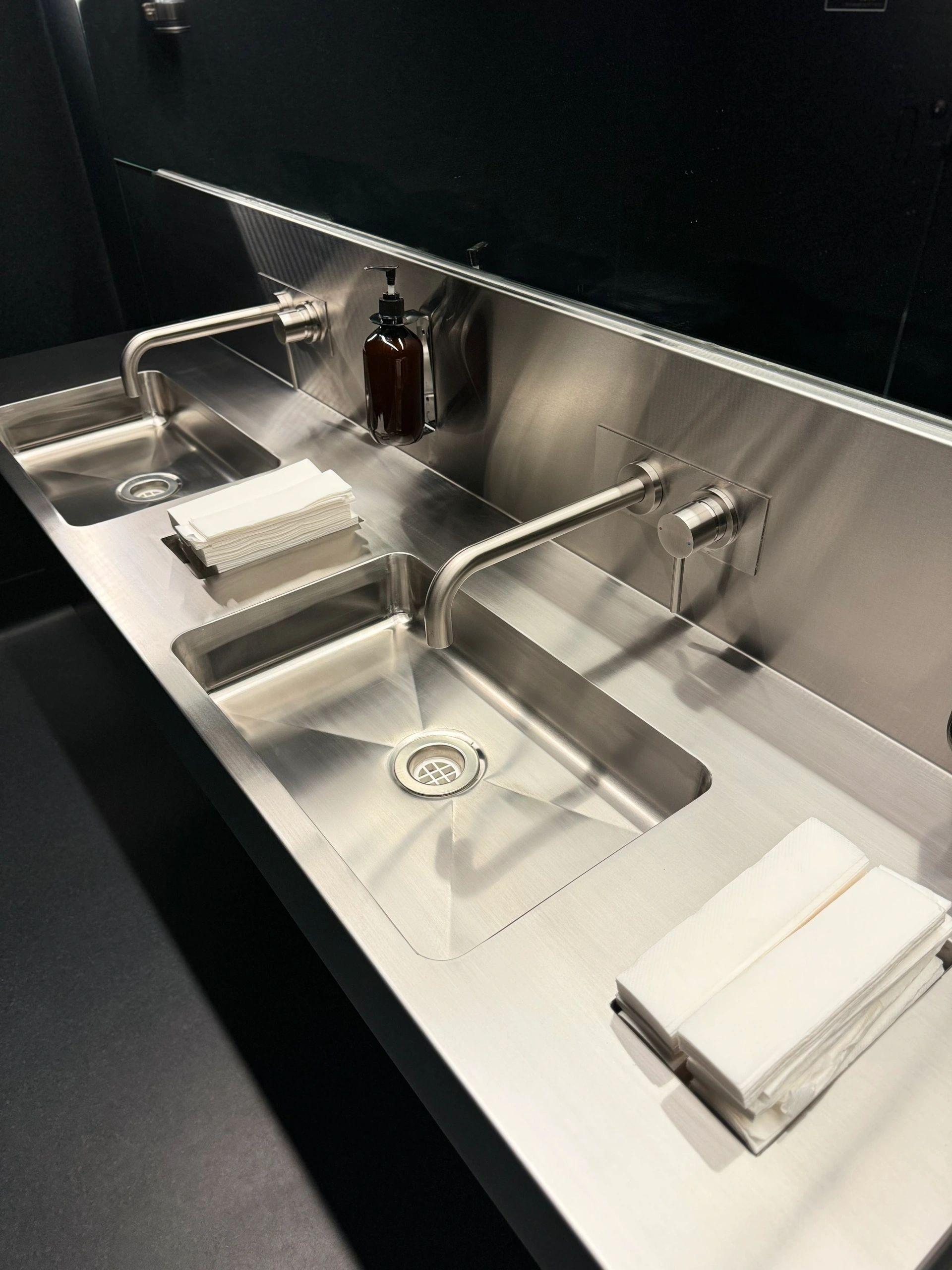
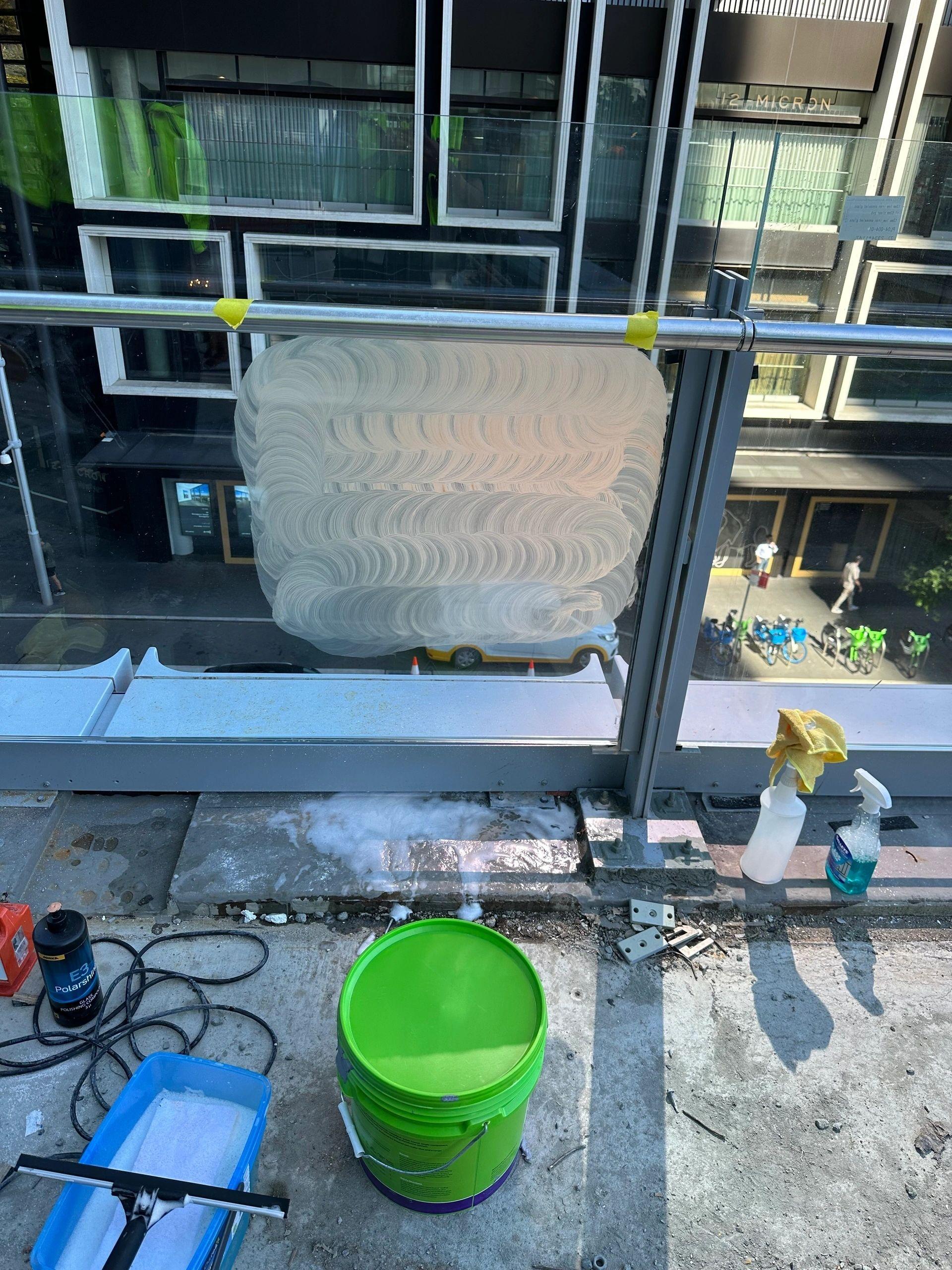
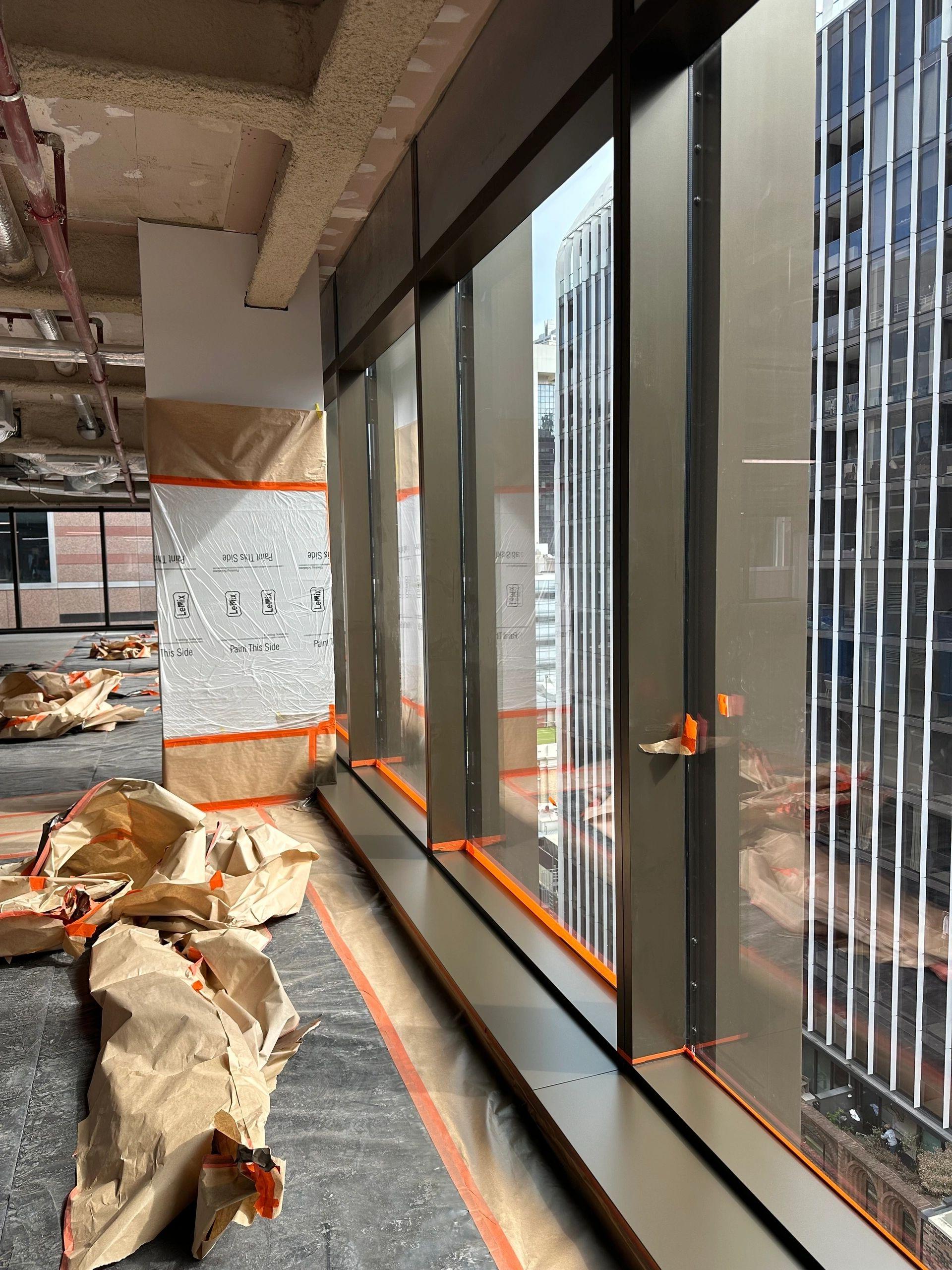
M&M removes those interfaces by covering the finishing and defect scope as one subcontract. Facade rectification, commissioning, structural steel and architectural coatings, stainless steel and glass restoration, silicone services and expansion joints, French polishing and joinery, stone, tile and floorboard rectifications — the trades that show up together on a defect register are quoted, mobilised and closed out by a single specialist team. You brief one project manager against the register, not five. The scope that was fragmented across trades becomes one line of accountability.
Bundling also gives you one clean record for the whole scope. When separate subcontractors each rectify their own damage, the documentation is scattered across trades and nobody holds the full picture. Because M&M documents the whole scope through ITPs, live project records and time-stamped images held on OneDrive, the condition before and after each make-good is on file for every trade at once. That single record captures the condition of adjacent work at each stage, which supports recovering costs where damage was caused by another trade.
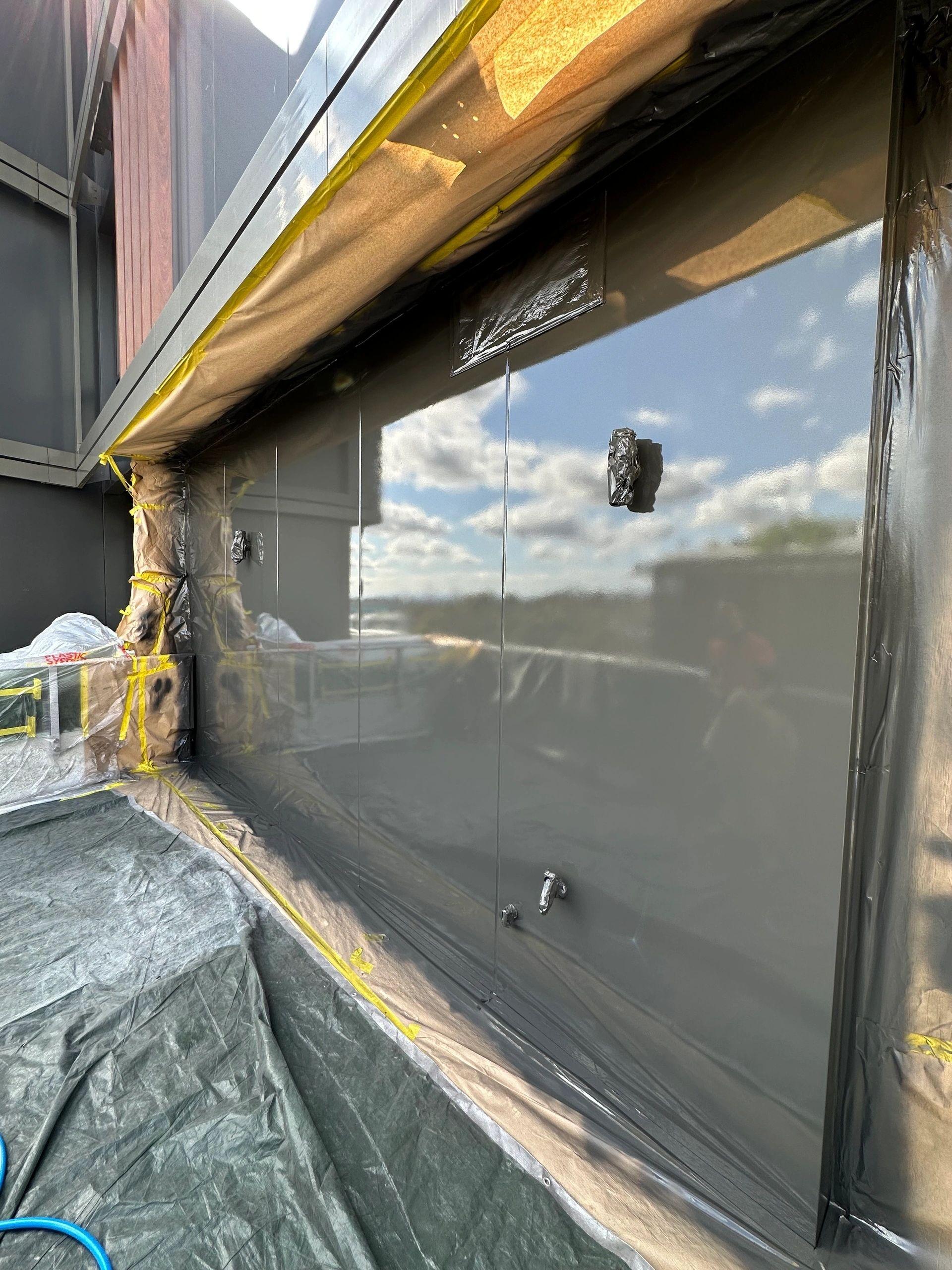
The commercial case is total cost to close the defect, not the day rate. Refinishing a facade panel in place — colour-matched on site before any mass application, in enclosed-area polyurethane and acrylic systems rather than spray-can touch-ups — beats reordering it and waiting on lead time. Restoring a scratched lift door, a stained glass panel or a water-damaged joinery carcass keeps completed work in place instead of ripping it out. Across a full register, restoring rather than replacing is where a bundled scope pays back hardest, because one crew carries it from first inspection to sign-off.
Holding your date is part of the scope, not a favour. Labour can be increased at any given point to hold your date, drawing on 90+ staff working day and night shifts under project-specific quality-control managers. When the register grows in the final weeks, the accountable trade absorbs it — you are not re-scoping a new subcontractor into the critical path with occupation certificate in sight.
What we do
Nine scopes, one point of accountability

How it works
From enquiry to a closed defect list
Enquiry and register walk
You send the defect register, drawings or a request, and we walk the site against it. The output is a single view of the finishing and make-good scope across every affected trade — facade, glass, metal, sealant, joinery, stone and floors — rather than a trade-by-trade guess.
Bundled scope and methodology
We return one scope, one quote and an ITP-backed methodology covering the whole list. Coatings are specified to the engineering specification and Australian Standards. You approve a single package instead of reconciling five separate quotes and programmes.
Mobilisation under one subcontract
One subcontract, one project manager and a project-specific crew of trained tradespeople under a quality-control manager. Inductions, insurances and site requirements are handled once. On-site colour is matched and signed off against your product before any mass application.
Execution with a live record
Works run to your programme, with labour increased at any point and day or night shifts where the date demands it. Every item is captured with time-stamped images and live project documentation, available to you on OneDrive at any time — a complete, traceable record of each stage as the work runs.
Close-out and sign-off
Each item is closed against the register with its ITP sign-off and evidence pack, so practical completion and the occupation certificate are not held on scattered, undocumented make-goods. One team reports the whole scope complete.
Defects liability support
Because the same trade installed, inspected and rectified the work, there is a single point of accountability through the defects liability period — one call for anything that arises, not a hunt for which subcontractor owned which finish.
Documentation
Documentation and QA: every rectification, evidenced
Thorough documentation is simply good QA practice — the calm standard of a serious team. We run every job to a written Inspection and Test Plan, record each stage with time-stamped photographs, and give you the full record on OneDrive to view at any time. When the contract administrator asks how a defect was closed, the record is already there. It is how the rectification holds up at practical completion and through the defects liability period.
Agree the ITP before work starts
For each scope we set an Inspection and Test Plan that defines the acceptance criteria, the hold and witness points, and the standard the work is measured against — for coatings, the engineering specification and the relevant Australian Standards. Everyone knows what 'complete' looks like before a tradesperson lifts a tool.
Record the inherited condition first
Before we touch a panel, joint or finish, we photograph its existing condition with a time and date stamp. This pre-start baseline records the condition of the surrounding work before we begin, and distinguishes the damage we are rectifying from any that was already there. On facade work this is delivered as a pre-launch ITP so the record exists before the envelope is closed up.
Sign off the colour match before mass application
Where a finish is involved, we achieve the colour match on your product on site and get it approved before any mass application. The approved sample is documented, so the finished result is measured against something you signed off, not against memory.
Stop at hold points for inspection
The ITP builds in hold points where work pauses for inspection and sign-off before the next stage proceeds. Issues are caught while they are cheap to fix, not at final walk-through when they threaten your handover date.
Capture live, time-stamped records at each stage
Before, during and after each stage we keep time-stamped photographic records of the work. These are live project records built as the job runs — not reconstructed afterwards — so the sequence and the dates are defensible.
Give you OneDrive access throughout
The ITP documentation, live records and time-stamped images sit in a project folder on OneDrive that you can view at any time. You are not waiting on a request or a hand-over pack to see where a scope stands or to pull evidence for a claim.
Close the ITP and hand over the record
At completion we close out each ITP against its acceptance criteria and sign off. You finish with a documented record of what was inspected, what was rectified and how it was verified — ready for the contract administrator, occupation certificate evidence and the defects liability period.
A complete before-and-after record
Time-stamped before-and-after photographs record the condition we inherited and the condition we handed back. This captures the state of adjacent work at each stage, so where damage was caused by another trade you have a dated record to support recovering the cost.
Audit-ready QA the CA can accept
ITPs, hold-point sign-offs and closed-out records give the contract administrator a documented basis to accept the work — supporting close-out, occupation certificate evidence and defect register clearance without a paper chase.
Problems surfaced early, not at final inspection
Hold points surface problems early instead of at final inspection, and with 90+ skilled staff across day and night shifts we can add labour to a scope when the defect list grows — so the QA process protects your date as well as your record.
Restore in place, with proof it meets spec
Colour match signed off before mass application, and coatings applied to the engineering specification and Australian Standards, mean you can keep the original panel or finish and still show the CA it was rectified to standard — avoiding the cost and lead time of replacement.
One record set, one accountable team
Because the finishing and rectification trades sit under a single subcontract, the ITPs and images for the whole bundle come from one source in one place — no stitching together records from five separate trades to prove a defect was closed.
The workshop
Spray booth and workshop — controlled coating, off the scaffold
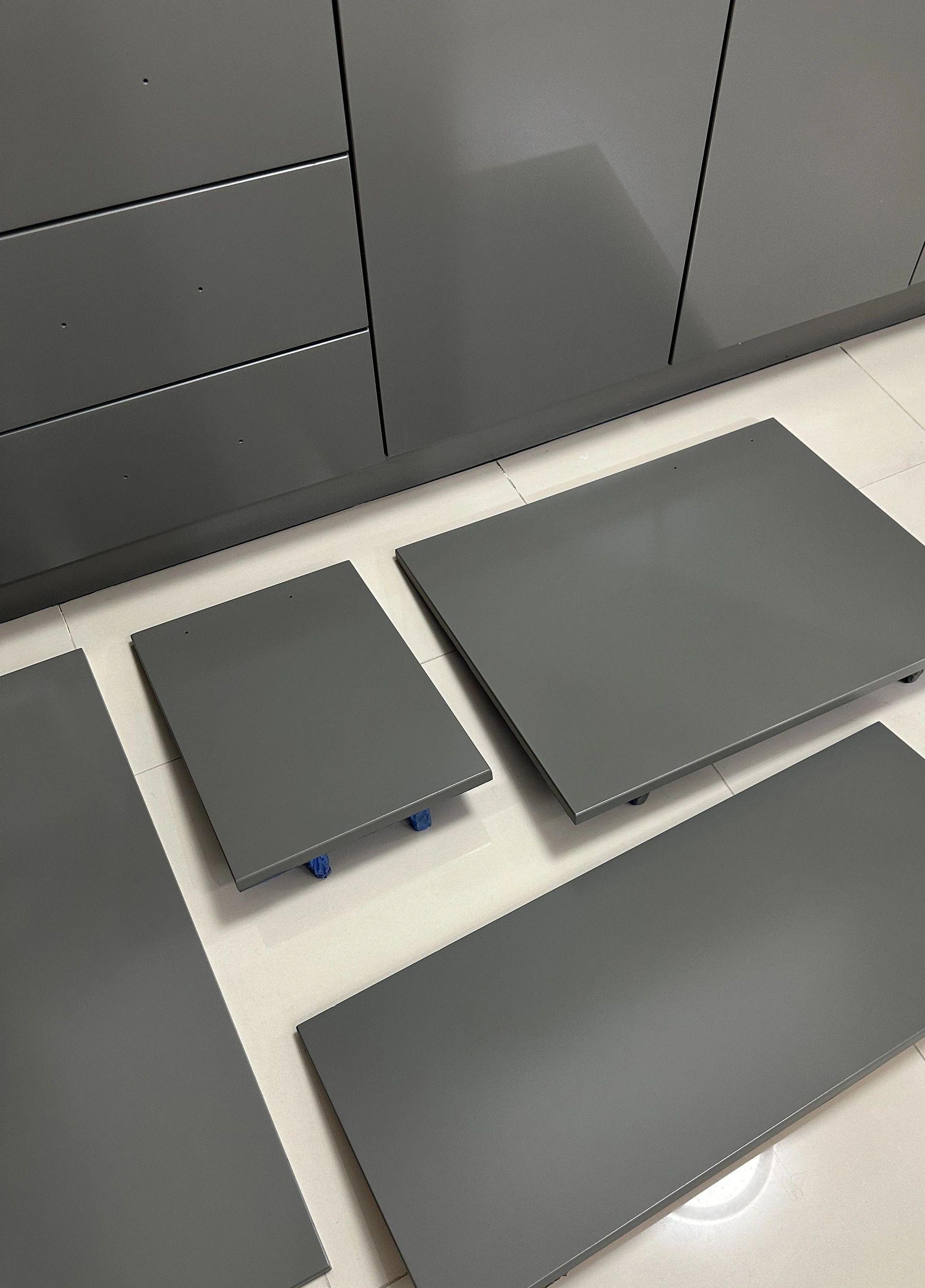
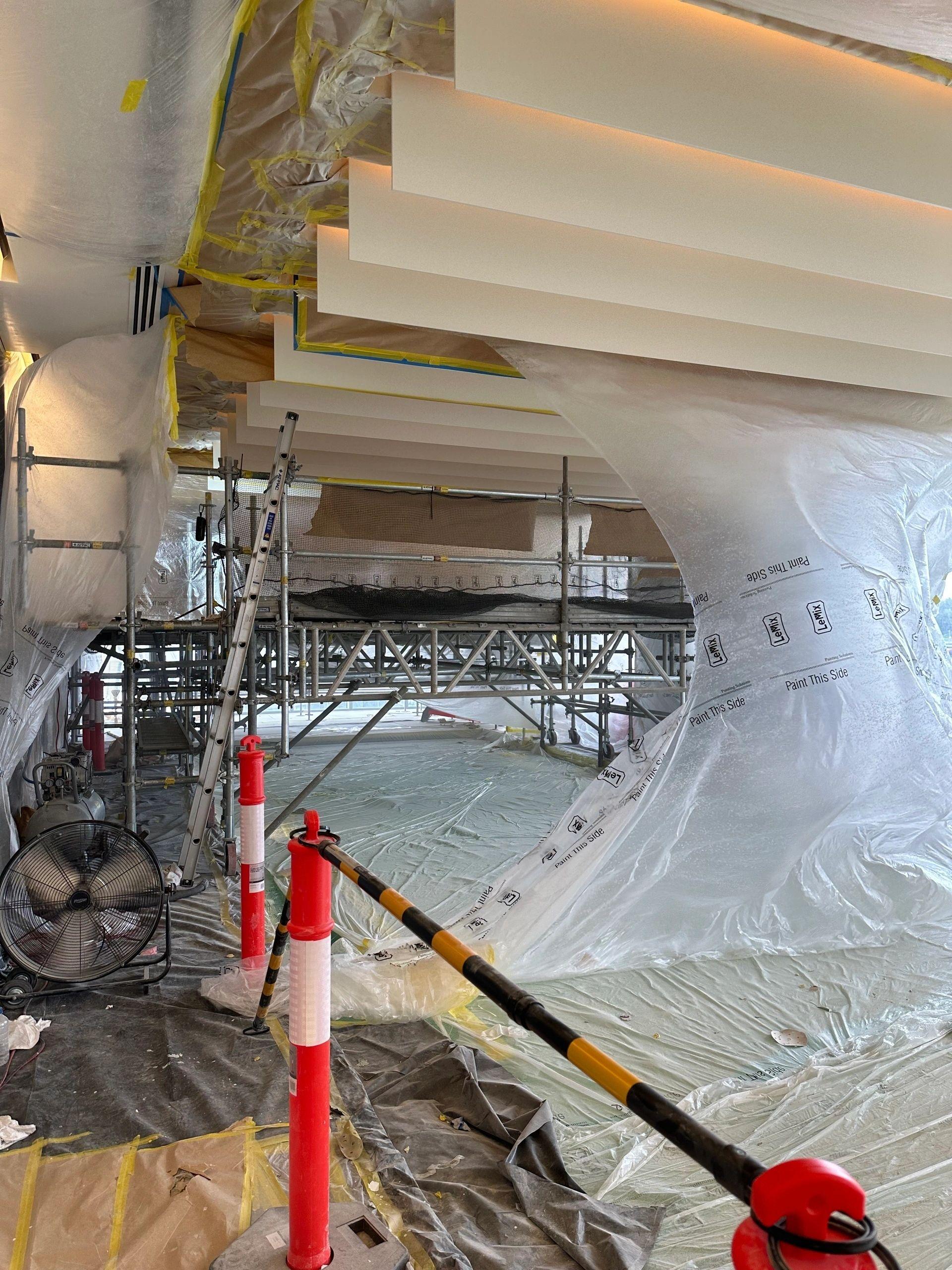
Not every rectification belongs on site. Where a panel or component can come down, M&M runs a dedicated spray booth and workshop so coating happens in a controlled environment rather than in wind, dust and daylight at height. A booth gives consistent temperature, clean air and even application — the conditions a durable powdercoat, polyurethane or acrylic finish needs and a field touch-up can never match.
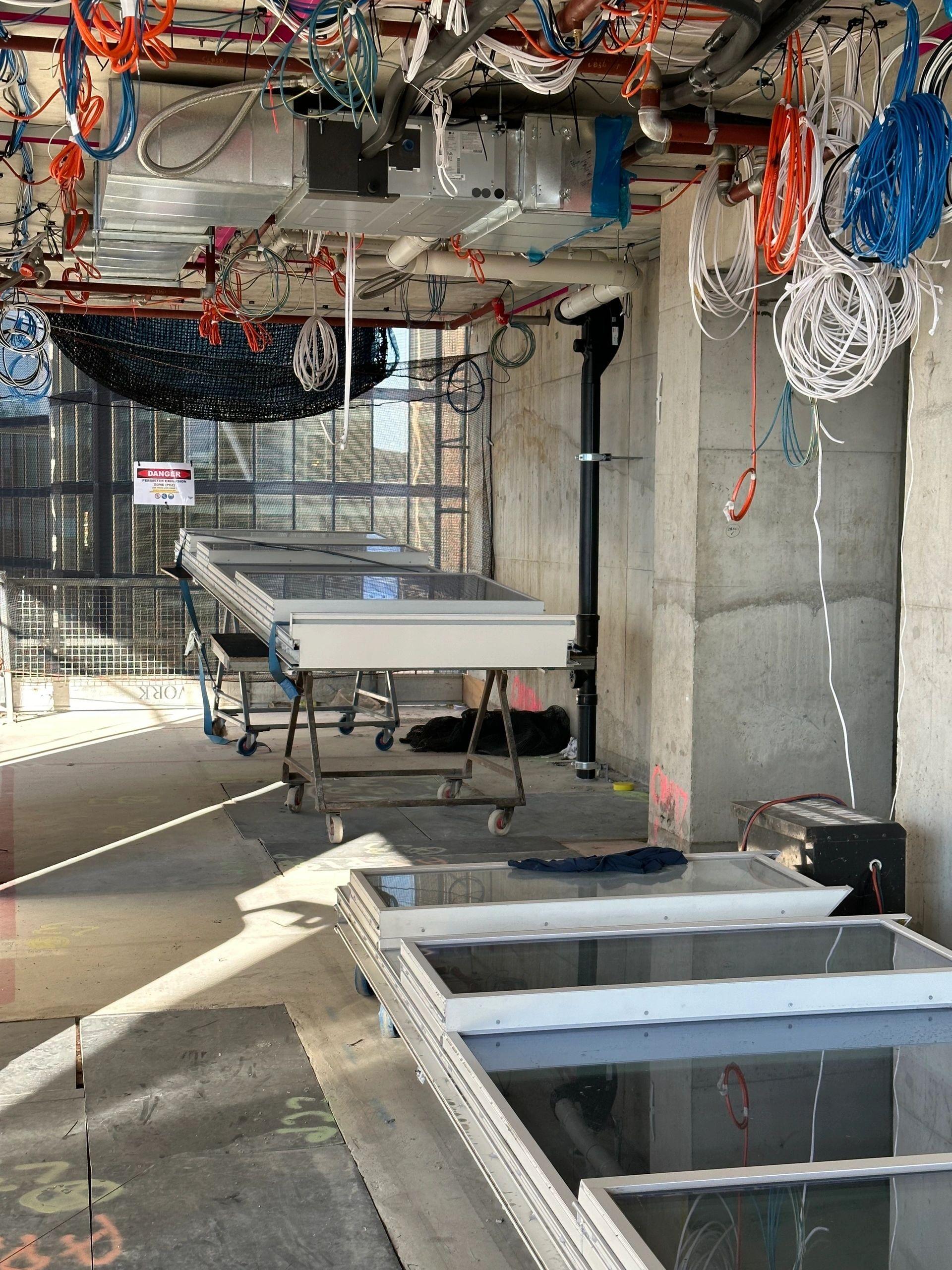
This is also where facade pre-launch works pay off. Preparing and finishing panels under ITP before they are installed moves quality control upstream: defects are caught and corrected in the workshop, not discovered forty storeys up where access and rework are slowest and most expensive. Less exterior work remains once the facade is on the building.
On site, the same standard travels with the crew. Rather than spray-can touch-ups, finishes are applied in enclosed-area polyurethane and acrylic systems, and colour is matched to your product before any mass application. Whether a job is done in the booth or in situ, the finish that gets signed off is the finish that was specified — and it is captured in the same time-stamped record as everything else on the register.
Where we work
Sydney-led, with teams across Australia
Three-quarters of our 90+ staff work on Sydney projects — from the CBD and North Sydney to Parramatta and Western Sydney — with crews in Melbourne and project coverage across Queensland and South Australia. See where we work across Australia, or the projects the trades were proven on.
Projects in safe hands