
Interior finishes
French polishing & interior make-good — keep the finish, not the defect
Damaged joinery, stone and floors in finished apartments and rooms are the worst place to be ripping out completed work. We restore them in place — colour-matched on site — across joinery, stone, tile and floorboards.
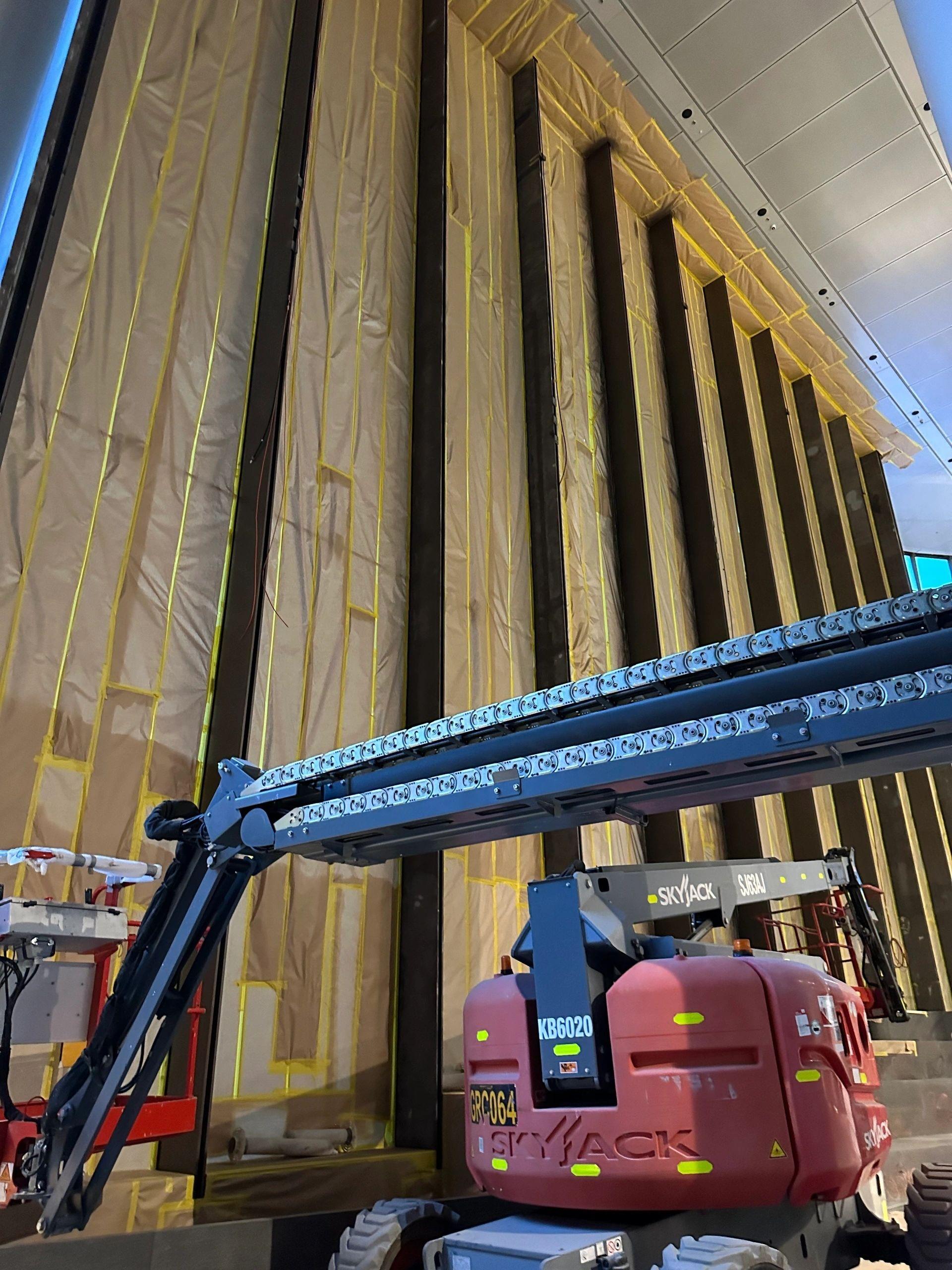
What it is
The scope, done right
Damaged joinery, stone and floors in finished apartments and rooms are the worst place to be ripping out completed work. We rectify them in place — colour-matched on site — across joinery, veneer, stone, tile, bathrooms and timber floors, so each item comes off the defect list without a replacement lead time. One multi-trade engagement, documented and signed off room by room.
French polishing and joinery make-good is the trade of bringing damaged interior finishes back to a handover standard in place, rather than removing and replacing completed work. On a fit-out at practical completion, the joinery, stone, tiling and timber floors are among the last elements installed and the first to be marked by following trades — a scuffed veneer panel, a chipped stone benchtop, a water-stained kitchen carcass, a scratched floorboard. Each of those items sits on a defect list, and each one blocks a room, an apartment or a level from sign-off until it is closed. Our scope is to close them.
It matters to the programme on timing and cost. A replacement joinery panel or a new stone top carries a lead time measured in weeks, has to be re-templated and re-installed, and drags adjacent trades back to a completed area. During the defects liability period the same items resurface as latent damage that threatens retention monies. On-site rectification collapses that loop: the finish is repaired where it stands, the room is released, and the retention is protected. The commercial case for restoring rather than replacing is strongest exactly where the finishes are most complete — finished apartments, hotel rooms and occupied tenancies.
The substrates in this scope behave differently and each has its own method. Veneer and polyurethane joinery finishes are repaired and refinished to match sheen and grain; kitchen carcasses, end panels and door faces that have taken water damage are dried, made good and re-coated; complete kitchen resprays reset a whole run of cabinetry to a single consistent finish. On the surface-restoration side we work chipped and scratched stone, tile rectification and painting, scratched bathtubs and sinks, marred mirrors and scratched chrome. Timber floors cover the full range of defects — scratch and chip repair, water damage, board replacement, resealing of boards and decks, and correcting squeaky or uneven boards.
Colour and sheen matching is where this scope succeeds or fails. Timber tone, stain depth, gloss level and grain direction all have to read as one panel once the repair is set down, and a mismatched patch is more obvious than the original defect. We match colour on site against your product before any mass application, so the sample is proven under the actual light of the room rather than assumed from a chart. Where a controlled environment is needed — a removable door or drawer front, for instance — the workshop and spray booth give a booth-grade finish before the item is refitted.
M&M runs this work as a single multi-trade subcontract. One crew of project-specific trained tradespeople, working under a quality-control manager, carries the whole interior list — joinery, stone, tile, bathrooms and floors — so the builder is not coordinating four separate specialists across the same rooms or arbitrating between them when a defect spans more than one finish. With 90-plus staff across Australia, day and night shifts, and the ability to add surge labour, the crew can be scaled to a growing defect list without pushing out the programme, and can work out of hours to keep off critical-path areas.
Every item rectified is documented. Inspection and test plan (ITP) records, live project records and time-stamped images of the work before, during and after are made available to the client on OneDrive. That record is a complete quality-assurance trail: it shows the pre-existing condition, the rectification carried out and the finished state, so every item on the interior list has a clear before-and-after history. Formerly trading as M&M Spray Painting, the business brings 25-plus years in refined finishing to this scope.
Where this scope shows up most: residential high-rise interiors and mixed-use precinct finishing.
What's included
Everything this scope covers
- Refined veneer and polyurethane joinery finishes, repaired and refinished to match
- Onsite colour, sheen and grain matching against your product before mass application
- Complete kitchen resprays to reset a full cabinetry run to one consistent finish
- Restoration of water-damaged joinery — doors, faces and panels
- Rectification of carcasses and end panels, with carpentry make-good where required
- Chipped and scratched stone restoration
- Tile rectification and painting
- Scratched bathtub and sink restoration
- Rectification of scratched mirrors
- Rectification of scratched chrome
- Timber floorboard repair — scratch and chip, water damage, board replacement
- Resealing of floorboards and decks, plus correction of squeaky and uneven boards
Documented on site
As found, prepared, rectified
Apartment joinery, North Sydney — photographed by our crews as the work progressed. This is the standard: the penetrations are plugged, filled, refinished and colour-matched in place, and the finished panel reads as though the damage was never there.
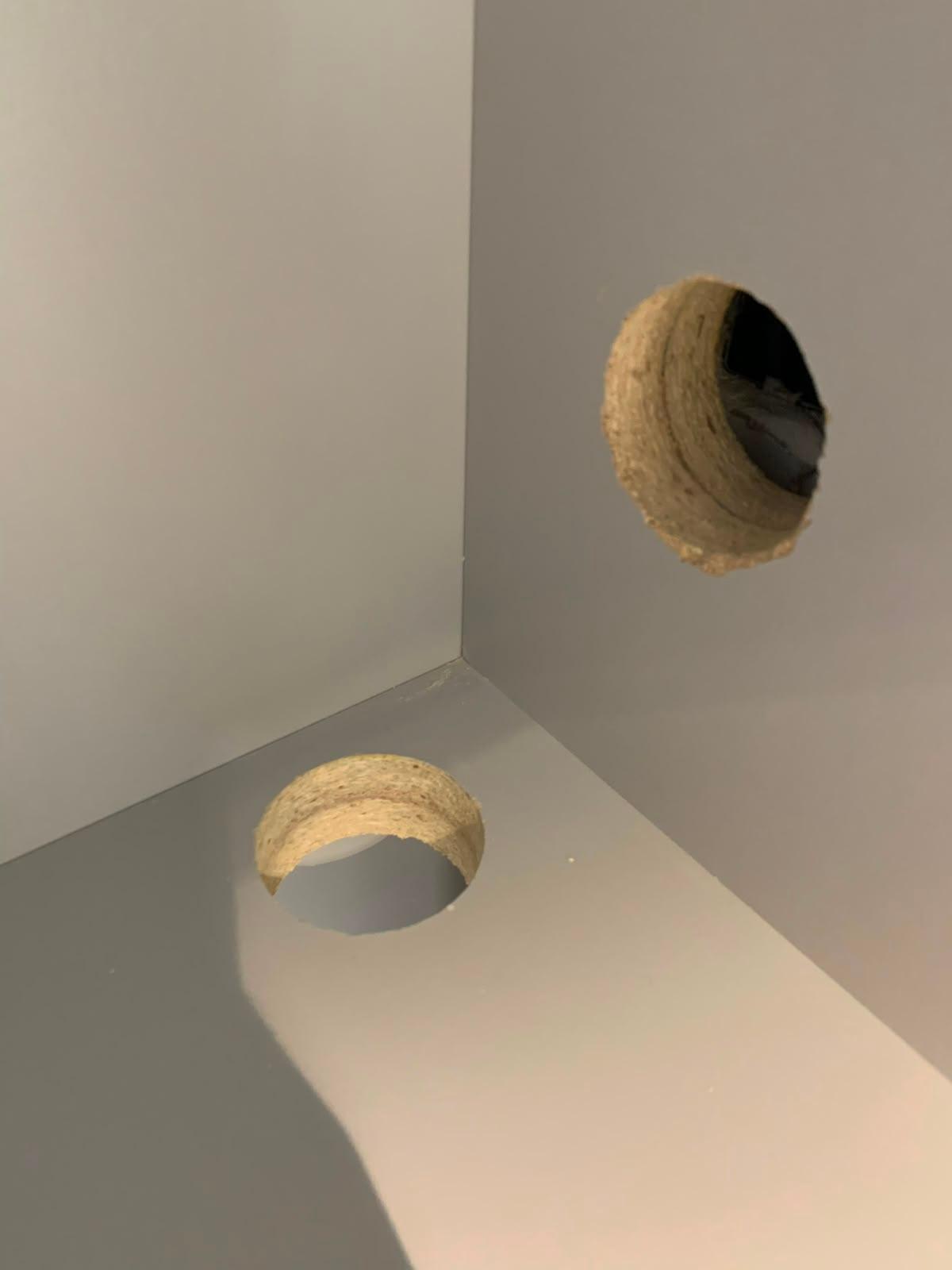 01 · As found
Redundant machined penetrations through the carcass and end panel, as our crew found them.
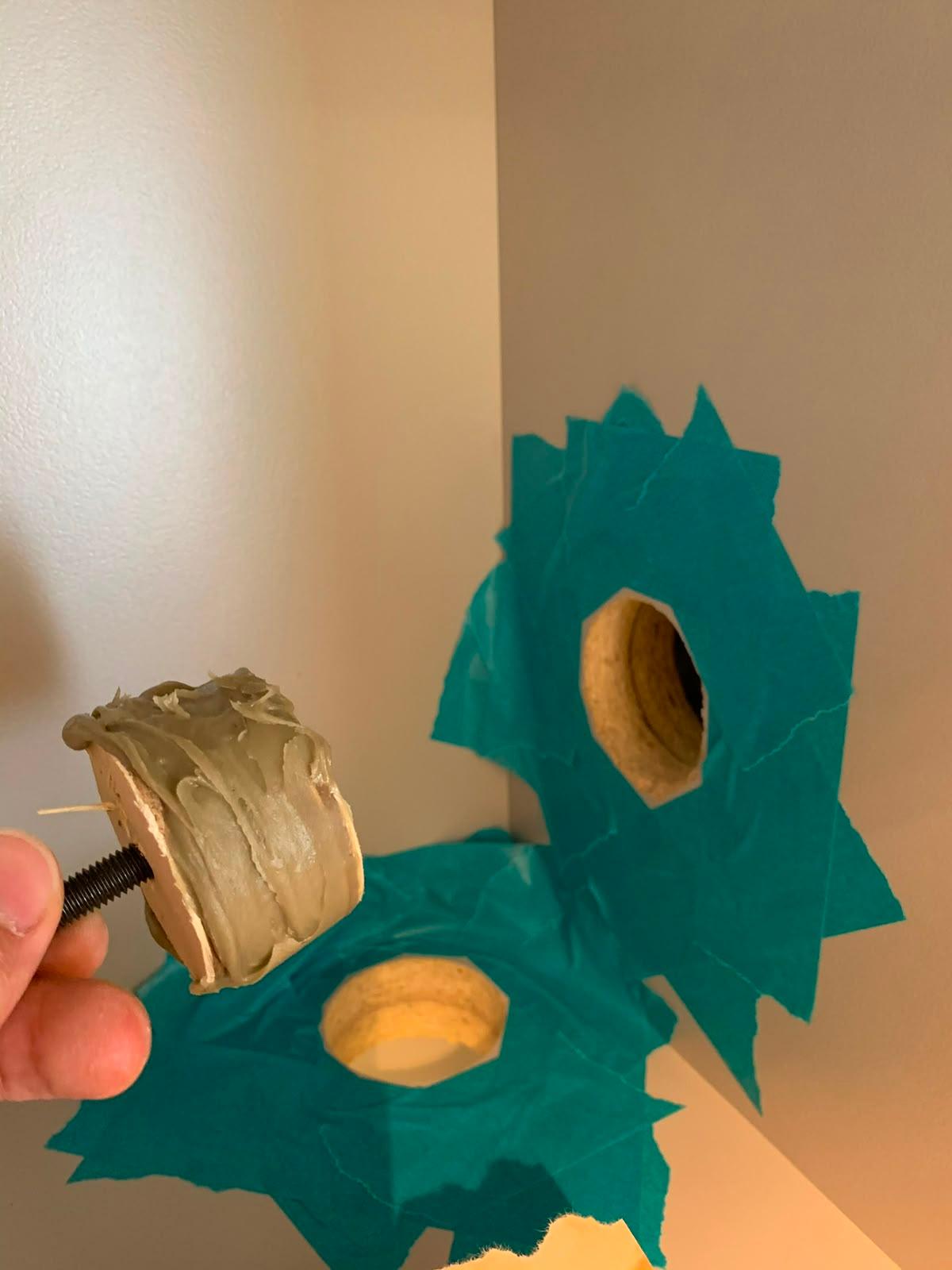 02 · Prepared
Timber plugs bedded in filler, the surrounding faces masked ready for refinishing.
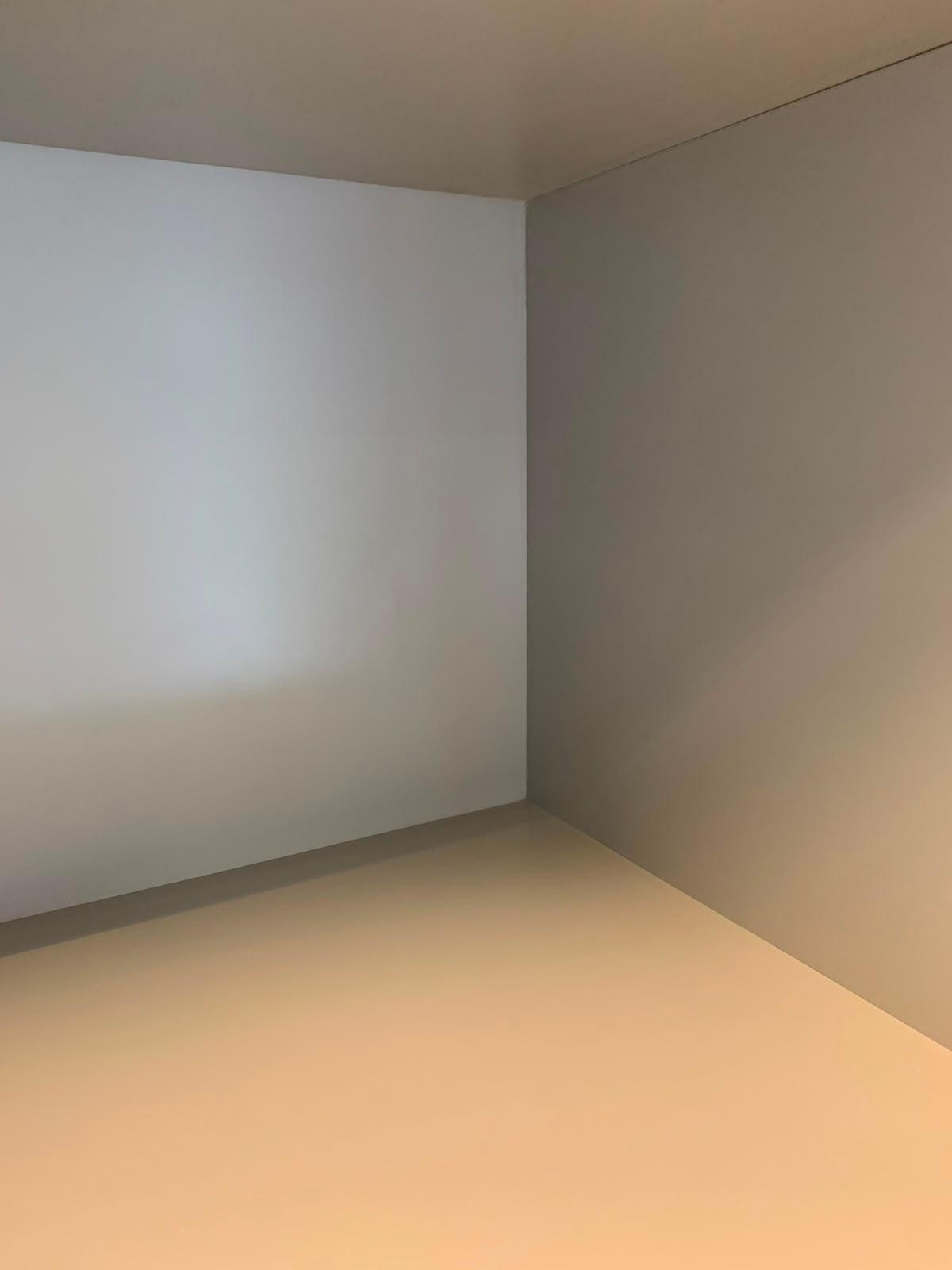 03 · Rectified
The same corner refinished and colour-matched in place — no trace of the penetrations.
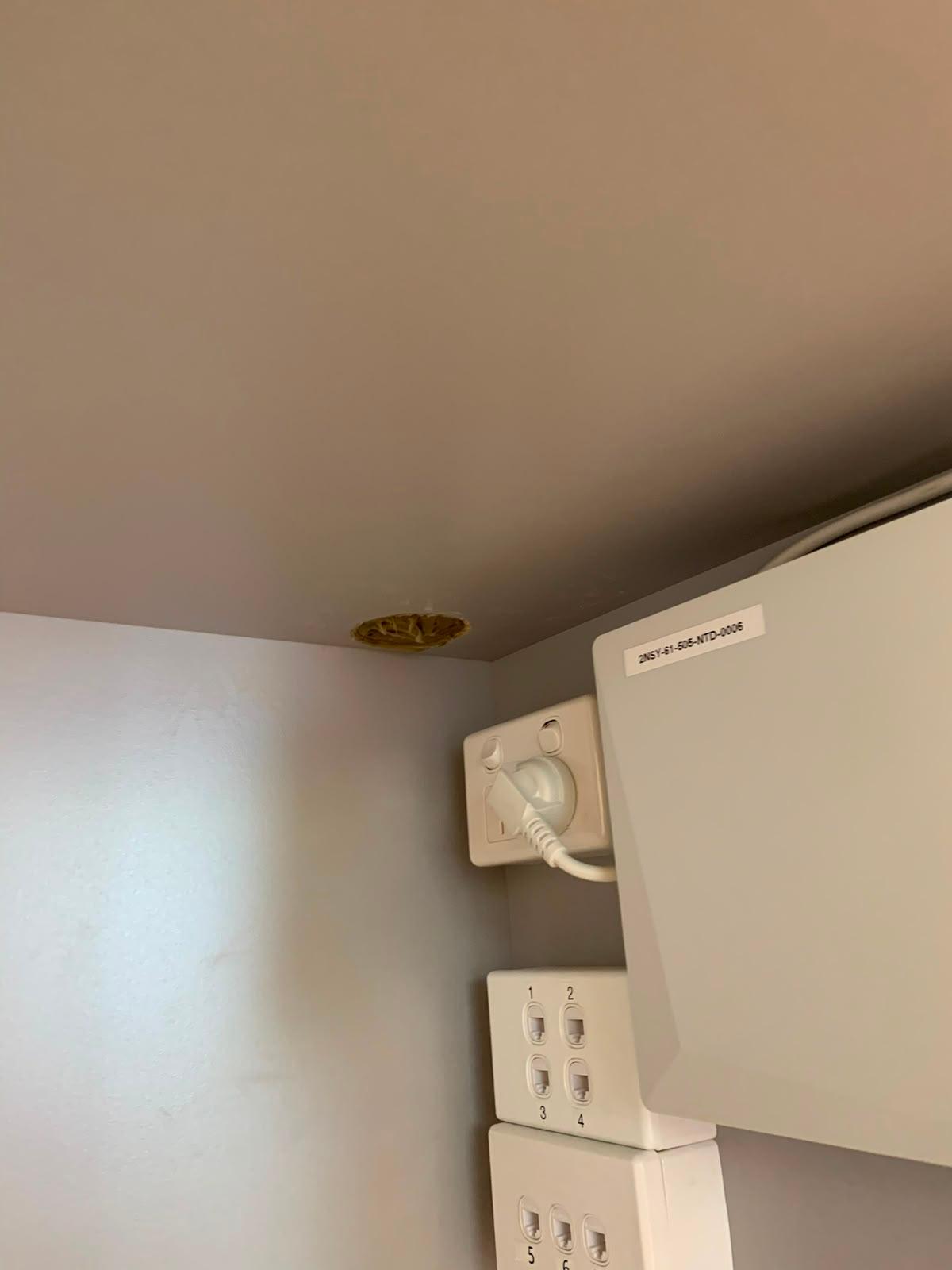 01 · Plugged
The redundant penetration plugged and filled, beside an NBN connection point and power outlet.
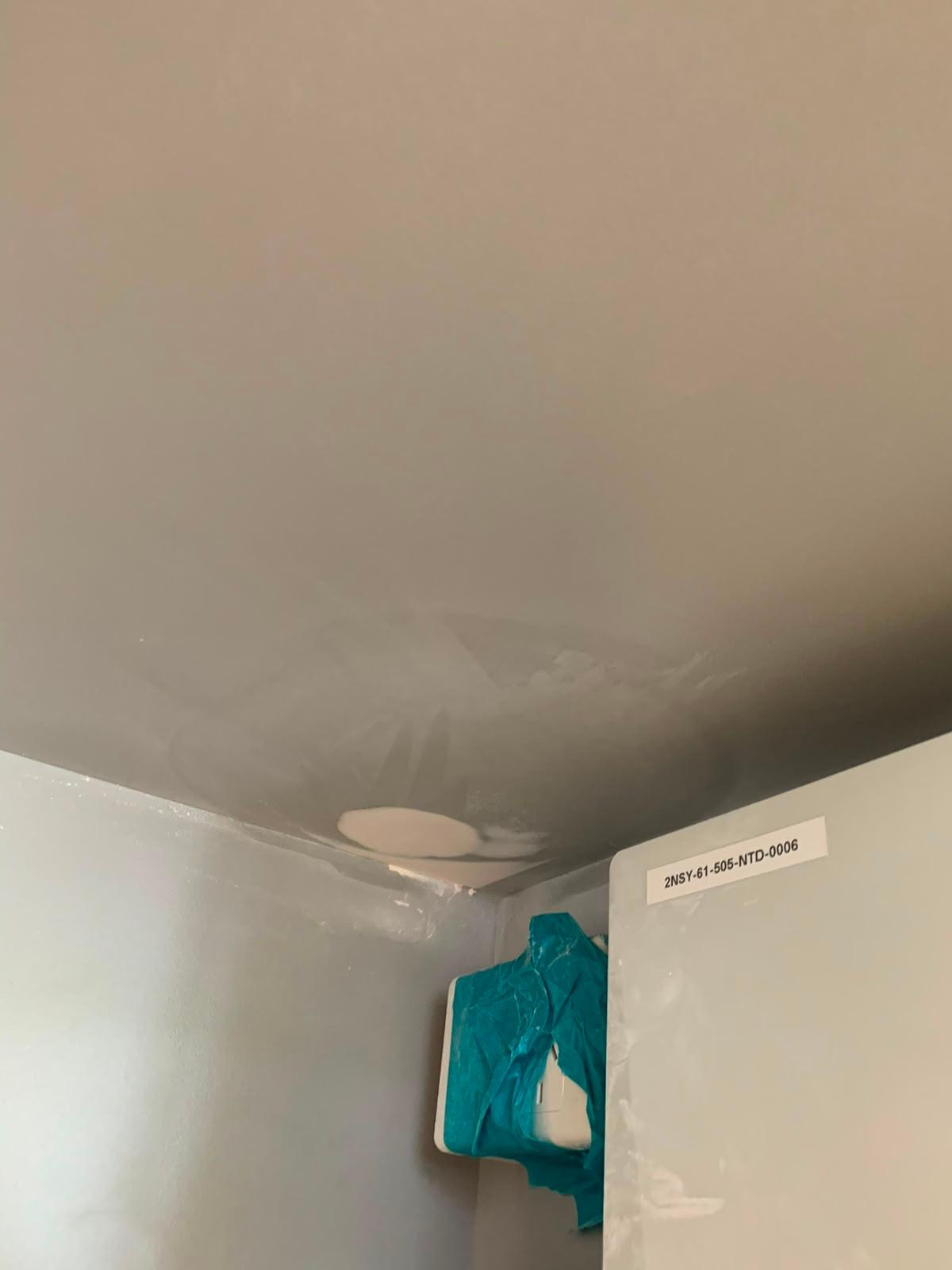 02 · Prepared
Feathered flush and sanded back, with the adjacent equipment masked for protection.
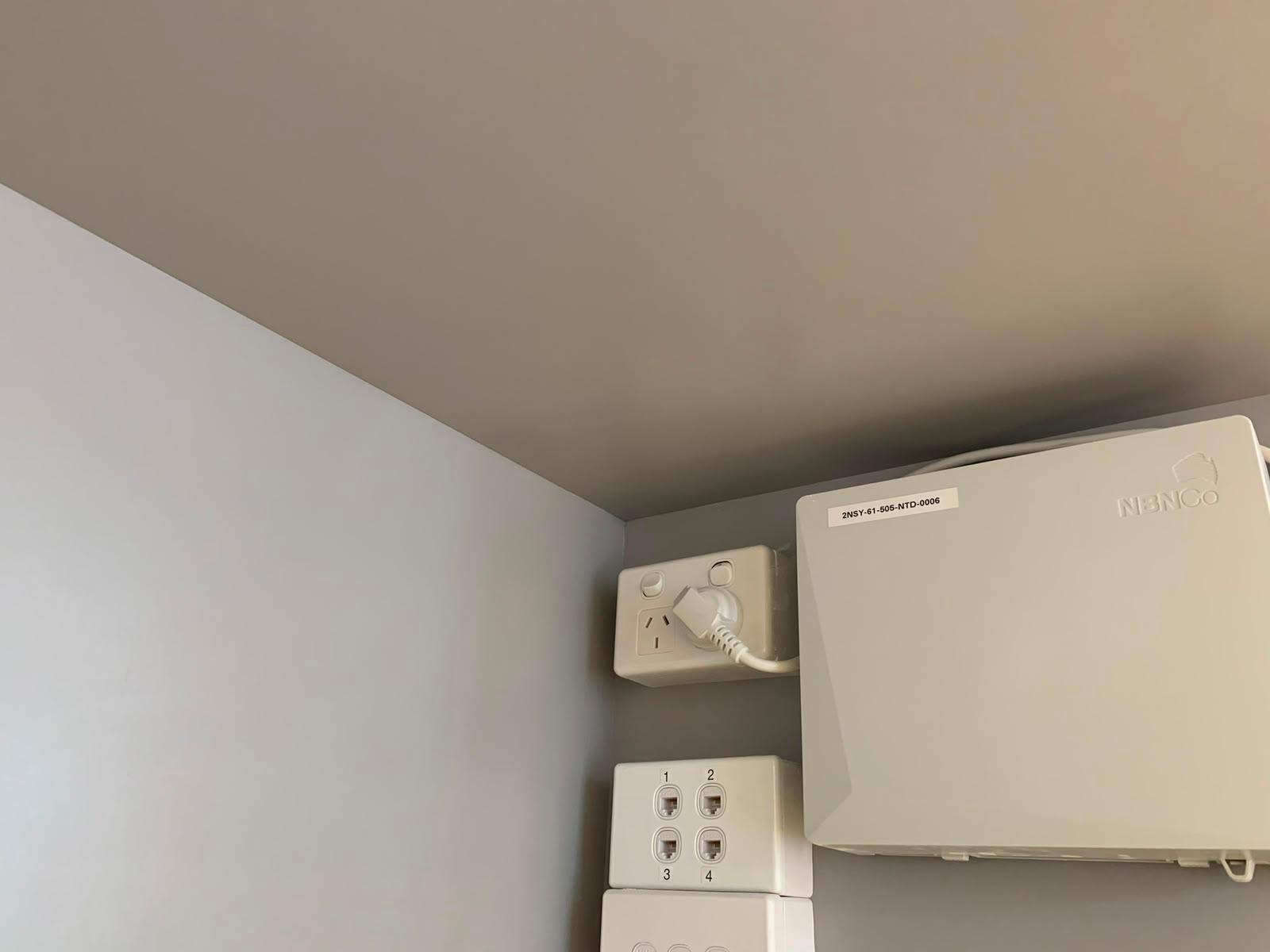 03 · Rectified
The underside refinished to a seamless, consistent panel.
What this fixes
The handover risks this scope removes
Replacement lead times threatening the programme
A new joinery panel or stone top has to be re-templated, re-made and re-installed over weeks. Rectifying in place removes that lead time and releases the room without dragging trades back.
No record of a finish's prior condition
Time-stamped images and ITP records capture the pre-existing condition and the completed rectification, so every marked or scratched finish has a complete, traceable record through handover.
Coordinating multiple interior specialists
One subcontract covers joinery, stone, tile, bathrooms and floors under a single quality-control manager, so the builder is not chasing four trades across the same rooms.
Defects resurfacing during the liability period
Latent damage that reappears after practical completion puts retention monies at risk; a documented rectification closes each item with a record that stands through the defects liability period.
How we do it
A documented method, every time
Survey and defect assessment
Walk the area with the defect list, identify each item by substrate and finish, and record the pre-existing condition with time-stamped images before any work starts.
Sample and on-site colour match
Match colour, stain depth and sheen against your actual product under room light, and prove a sample before committing to mass application.
Method statement and ITP
Set out the rectification method, hold points and sign-off criteria per finish type, and agree the inspection and test plan with the builder.
Execute — in place or in the booth
Rectify fixed items on site; take removable joinery to the workshop and spray booth for a controlled finish. Day and night shifts and surge labour keep off critical-path areas.
QA and documentation
Inspect each item against the ITP, capture before/during/after images, and load live project records to OneDrive for client viewing.
Sign-off and close-out
Release each rectified item off the defect list against the agreed criteria, leaving a documented record to support handover and the defects liability period.
Why it holds up
Evidence, not assurances
Colour matched on site, against your product
The match is proven on the actual finish under room light before mass application, not read off a chart — so the repaired panel reads as one piece.
Whole interior list, one subcontract
Joinery, stone, tile, bathrooms and floors are handled by a single crew, removing the coordination and finger-pointing of separate specialists.
Documented rectification
ITP records, live project records and time-stamped before/during/after images are available to the client on OneDrive to support quality assurance and close-out.
Project-specific trained trades under QC managers
Tradespeople are assigned and trained to the project and work to an approved methodology under a quality-control manager.
Booth and workshop where in-place won't do
Removable joinery can be finished in a controlled spray booth for a booth-grade result, then refitted.
Scalable labour across Australia
90-plus staff across Australia, day and night shifts and surge labour let the crew match a growing defect list without extending the programme.
Proof
Case studies featuring this service
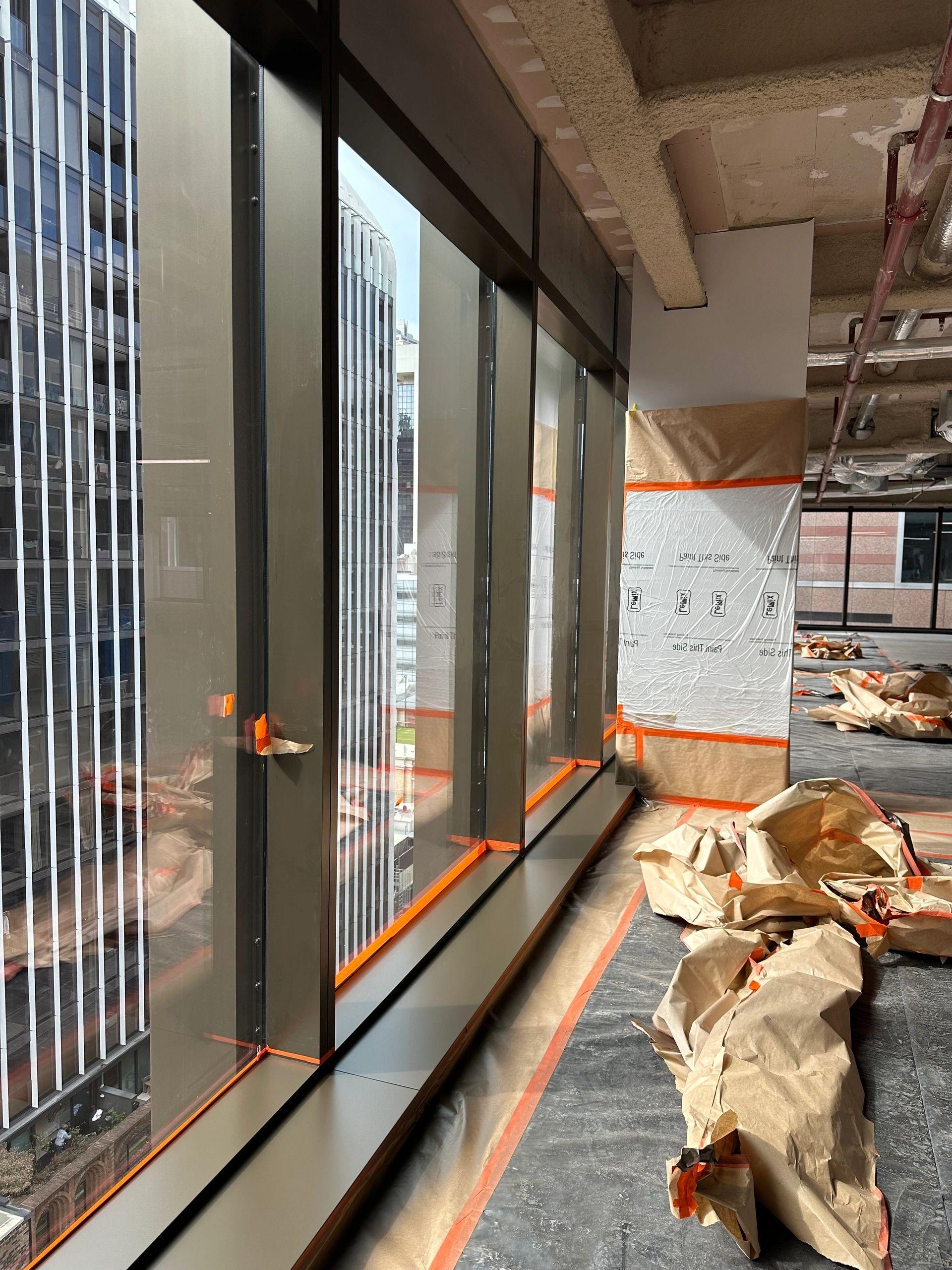
One Sydney Harbour
Barangaroo, Sydney NSW
Surry Hills Village
Surry Hills, Sydney NSW
Martin Place North & South
Martin Place, Sydney NSW
Service areas
Popular areas for french polishing
Start with a local scope page, or send us the site address and we will confirm coverage.
Questions
What builders ask us
Projects in safe hands