
Industry
Residential High-Rise
Residential towers put every finish under an owner's eye at settlement — and our widest multi-trade bundles sit here: facade rectification and commissioning, silicone rectification, French polishing, glass polishing and stainless-steel polishing on a single project. This is the one-coordinated-team-through-to-handover model the company was built around.
The sector
Finishing and rectification in residential high-rise
Residential high-rise handover is judged by the harshest inspector in construction: the person who bought the apartment. The owner-occupier or investor completes a pre-settlement inspection with a phone camera and their own punch list, and every mark, scratch and misaligned finish becomes a settlement dispute before the building even has its occupation certificate. The sector splits into two handover surfaces that both have to be defect-free at once: the individual lots (apartment interiors — joinery, stone, glazing, floors, wet areas) and the common property (lobbies, lift cars, balustrades, the facade and podium), each with its own inspector, its own sign-off and, under NSW strata law, its own defect-bond scrutiny after completion.
The finishing and defect profile is unusually broad because a residential tower packs premium, owner-visible finishes into every square metre. Anodised and powdercoat facade panels and unitised glazing form the envelope; inside, the recurring defect list runs across French-polished veneer and polyurethane joinery, stone benchtops and splashbacks, glass balustrades and shower screens, stainless handrails and lift doors, timber and engineered floors, and the silicone and expansion joints that keep the envelope watertight. These are not surfaces that tolerate a spray-can touch-up. Damage is overwhelmingly caused during the build itself — panels marked in transport and installation, benchtops chipped by following trades, balustrades scratched during fit-out — which makes a clear record of condition a live commercial matter, not just an aesthetic one.
What makes the sector distinct is the collision of vertical access, staggered settlement and occupancy. A tower is built and handed over floor by floor, often with a single hoist and a compressed core, so the finishing trades are chasing a moving front: lower levels are being snagged and settled while upper levels are still in fit-out, and completed floors below have to be protected from the trades still working above. Settlement dates are legally binding and staggered by level or release, so the defect list can't be worked as one leisurely programme — it has to close in the sequence the sales contracts dictate. Increasingly, lower floors are occupied while the builder is still on site, which turns rectification into work carried out in and around people's homes, under building-manager rules, with noise, dust and access all constrained.
A clean, documented handover matters here for reasons that reach past first impressions. In NSW the Design and Building Practitioners and occupation-certificate regime means unresolved envelope and finish defects can gate sign-off, and the strata building-bond scheme puts an independent inspector across common-property defects after completion — so the paperwork trail on what was rectified, when and to what standard is part of the asset, not an afterthought. For the builder, the exposure is concentrated: settlement can be delayed or a purchaser can rescind over defects, the condition of finishes handled by the head contractor, the facade installer and the fit-out trades needs a clear record across a crowded interface, and anything not closed at practical completion follows the builder into the defects liability period in an occupied building where access is now the hardest it will ever be.
This is the sector M&M was built around. Our widest documented multi-trade engagements sit in residential high-rise — facade rectification and commissioning, silicone rectification, French polishing, glass polishing and stainless-steel polishing delivered on a single project. A tower's defect register can span six or more finishing trades that a builder would otherwise coordinate separately, floor by floor, against a settlement clock.
What makes it demanding
The handover pressures unique to residential high-rise
The owner's-eye inspection standard
Every apartment is inspected by its purchaser at a pre-settlement walk-through, camera in hand, against a contract of sale — not by a builder's QA team against a tolerance. A hairline scratch on a stone benchtop or a mark on veneer joinery that would pass on a commercial base build becomes a settlement item here. The finish standard is effectively zero-defect on owner-visible surfaces, and it has to be met lot by lot, not as a building average.
Staggered settlement against a moving construction front
Towers hand over floor by floor while upper levels are still in fit-out. Settlement dates are contractual and released in tranches, so the defect list can't be closed as one programme — it has to close in the order the sales contracts dictate, with completed lower floors protected from the trades still working above and a single hoist shared across the whole sequence.
Restore-in-place on installed premium finishes
By the time a benchtop is chipped, a balustrade scratched or an anodised panel marked, it is installed forty storeys up or built into a finished kitchen. Replacement means matching lead-time on imported stone or bespoke glass, re-mobilising trades and pulling out completed work — a programme risk, not a line item. The defect has to be rectified in situ, colour- and finish-matched, or the settlement date moves.
Rectification in occupied and part-occupied buildings
Lower floors are frequently occupied while the builder is still completing above, and defects liability work almost always lands in occupied apartments. That turns finishing into work carried out in people's homes and across live common property — under building-manager access rules, with dust, noise and odour controls, resident notice periods and discretion all constraining how and when the trade can work.
Occupation certificate sign-off and the strata building-bond record
In NSW, unresolved envelope and finish defects can hold up the occupation certificate the whole settlement programme depends on, and the strata building-bond scheme puts an independent inspector across common-property defects after completion. What was rectified, when, and to what standard has to be documented — both to clear the occupation certificate and to answer the bond inspection — and the same record gives the head contractor, the facade installer and the fit-out trades a clear, traceable account of the condition of finishes across the interface.
Proof
Documented residential high-rise work
Also delivered on
- Greenland Centre
How we deliver here
One accountable finishing team
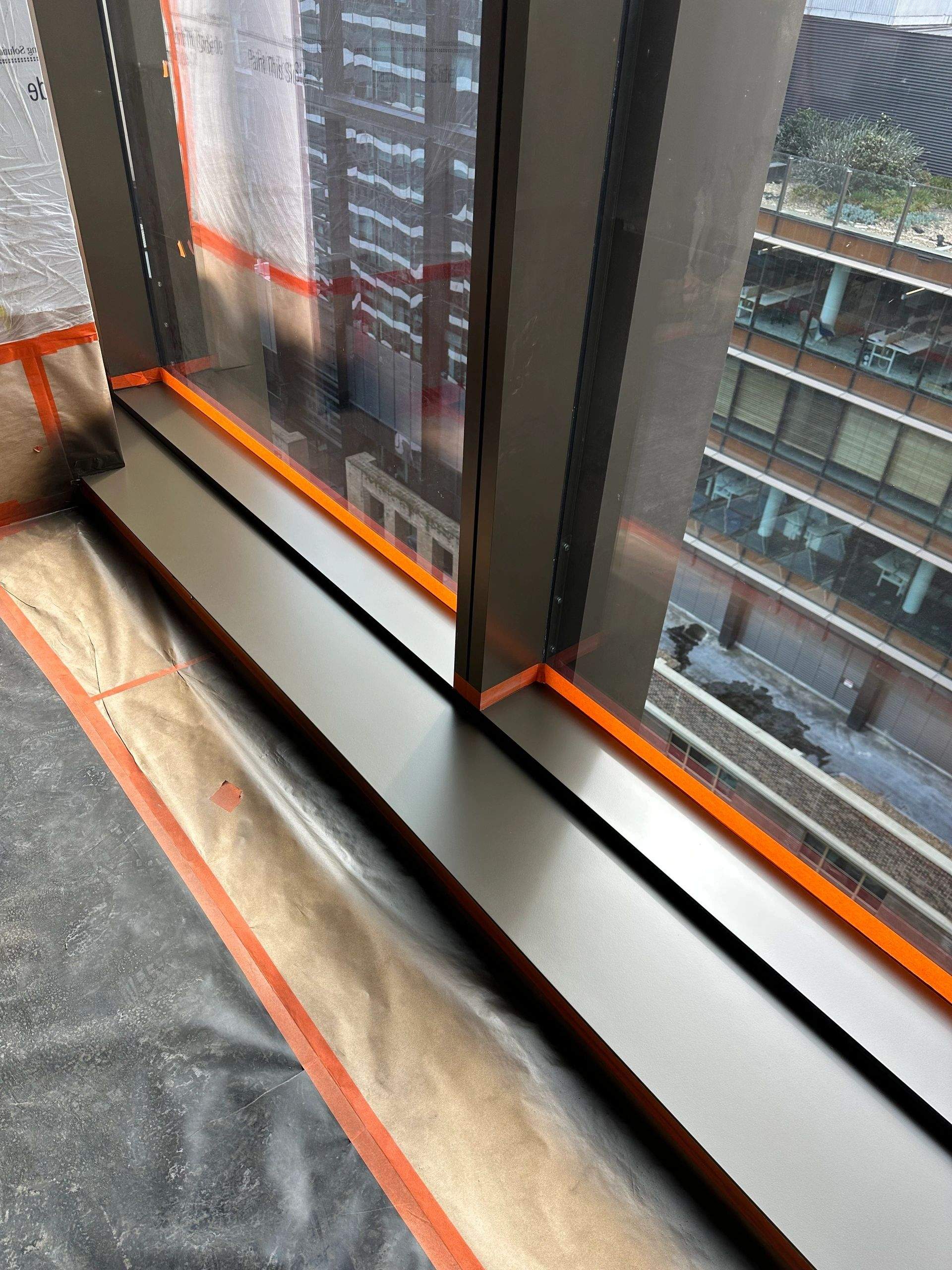
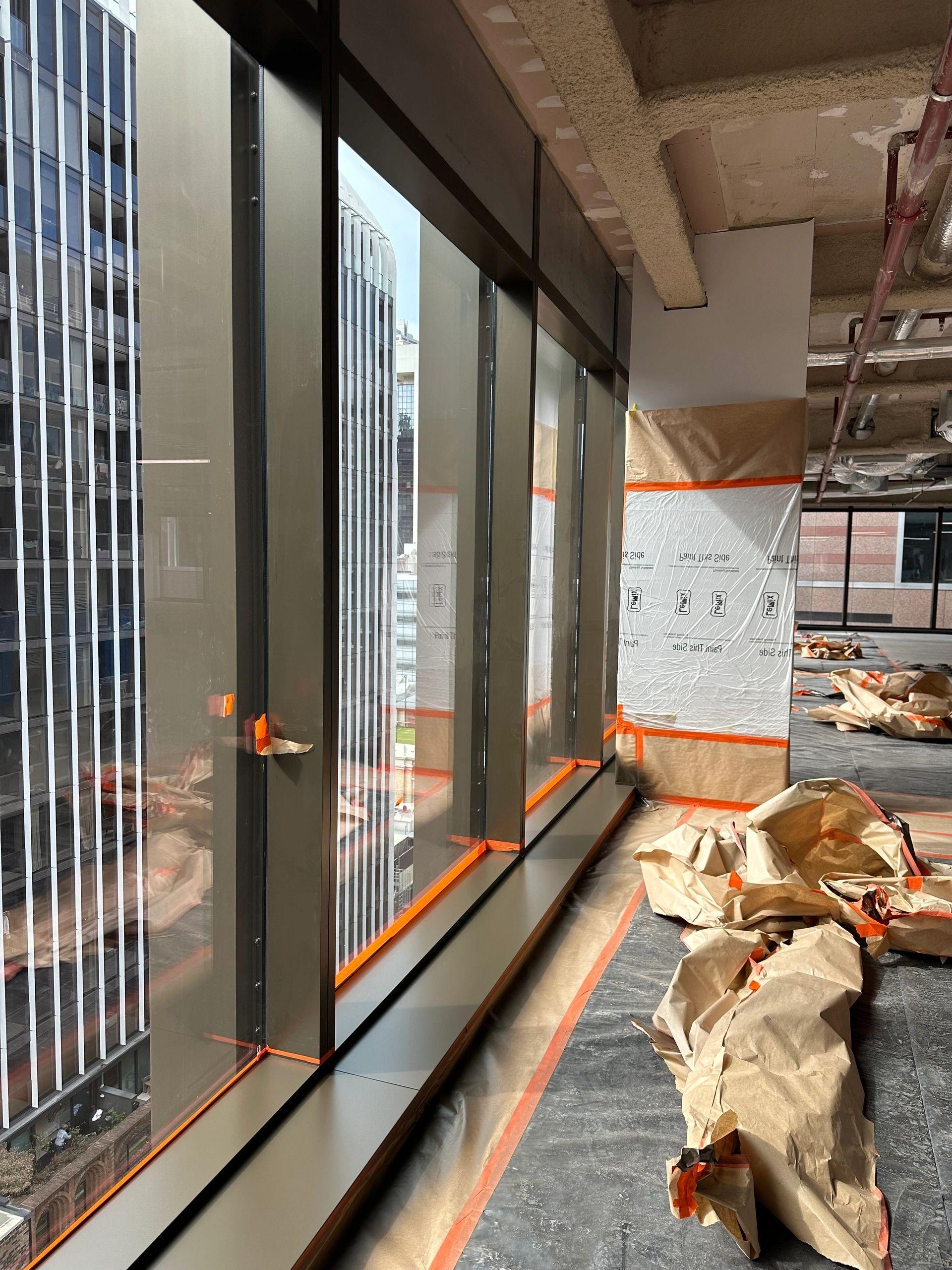
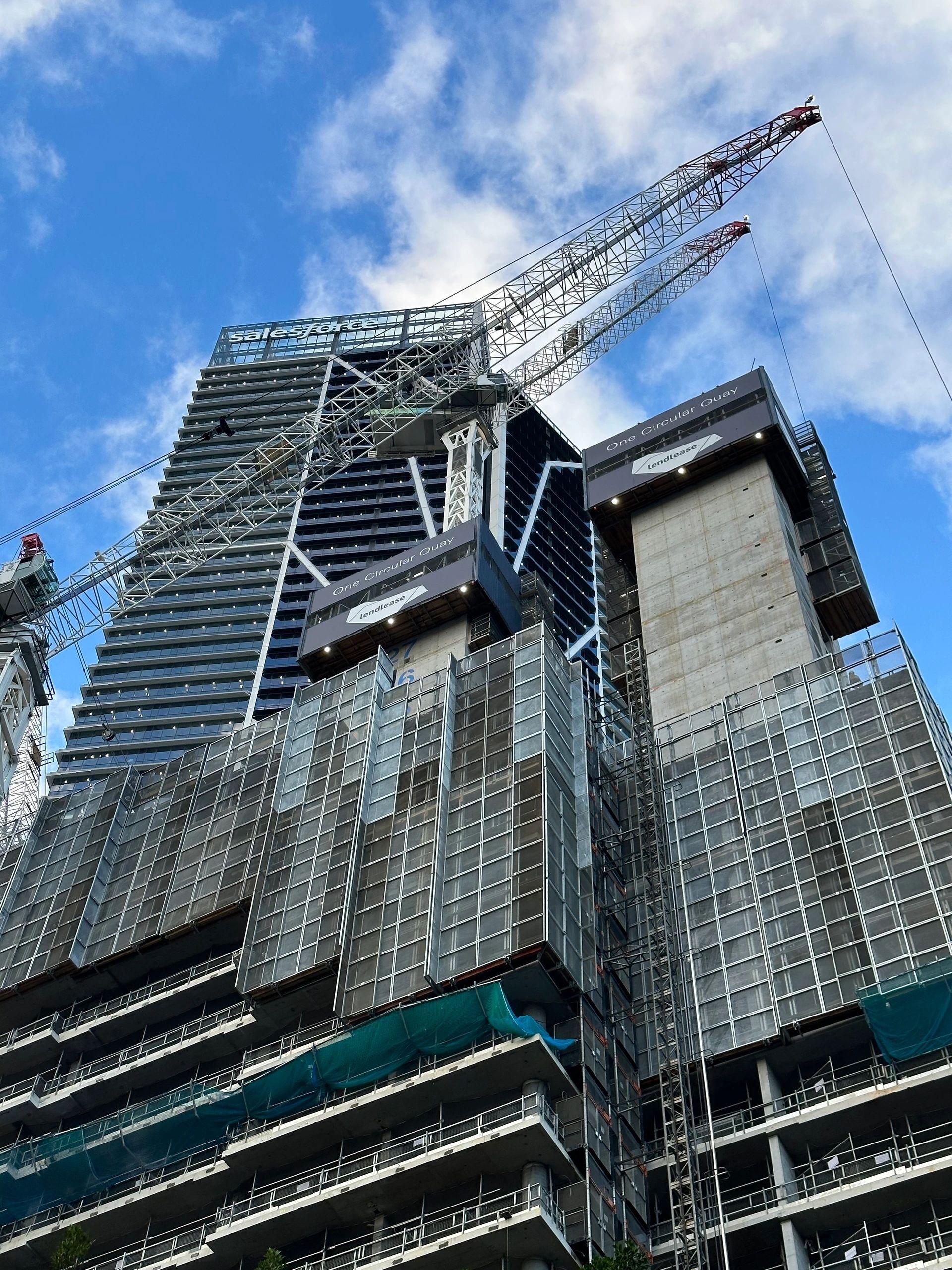
We take the finishing and rectification scope on a residential tower as one engagement rather than five. Facade rectification and commissioning, silicone and expansion joints, French polishing of joinery, glass polishing, stainless-steel polishing and surface restoration sit under one project manager, one set of records and one point of accountability — mapped to the building's staggered settlement sequence rather than run as separate trades each with their own mobilisation. On a tower where the defect register crosses six or more finishes floor by floor, that removes the coordination the builder would otherwise carry against the settlement clock. Our documented residential work — across projects including One Sydney Harbour and One Circular Quay — is the broadest multi-trade bundle we deliver.
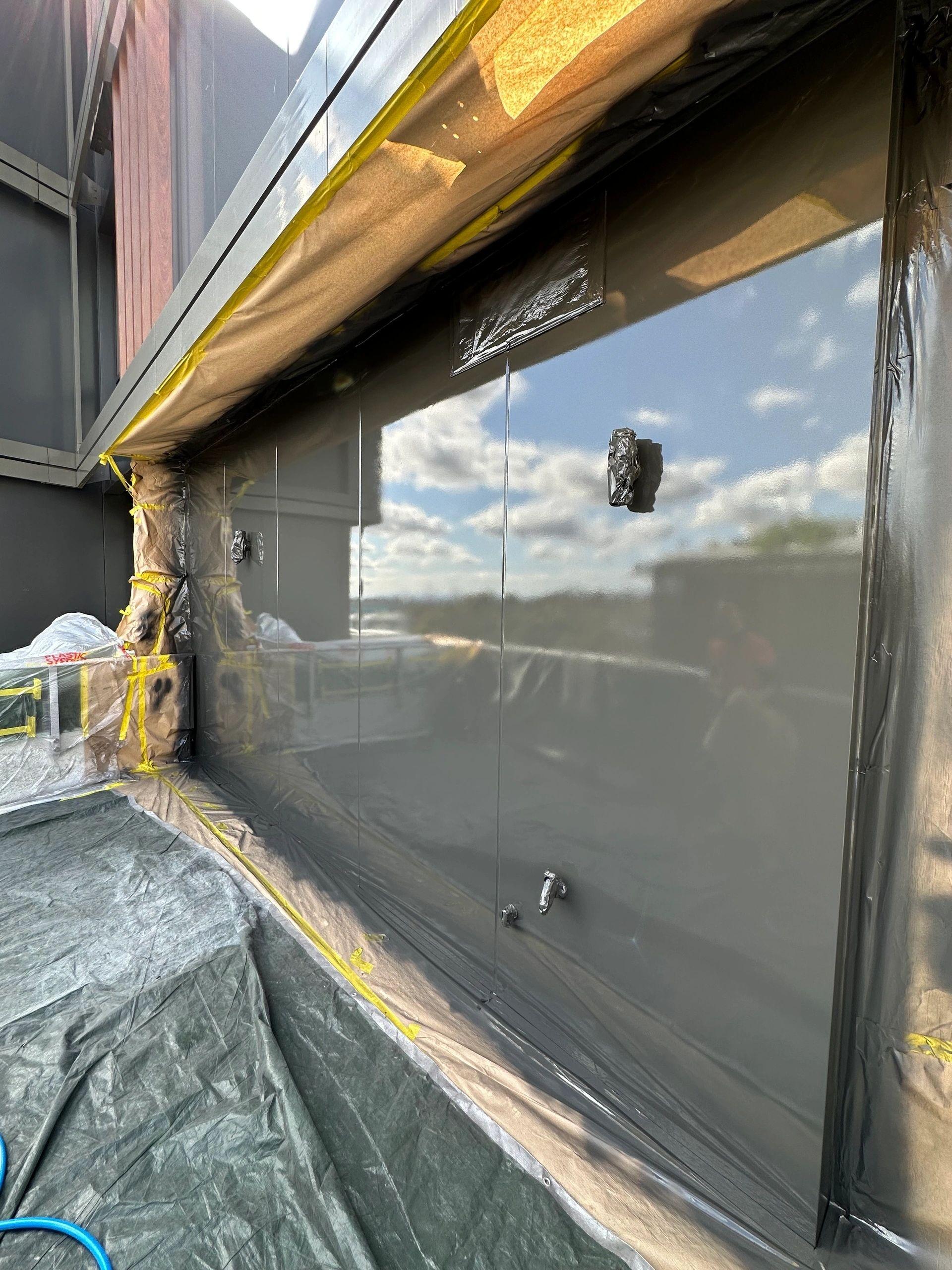
Our default is to restore the installed finish in place, not reorder it. Damaged anodised, powdercoat and steel facade panels are refinished in enclosed-area polyurethane and acrylic systems rather than touched up from a can; joinery, stone, glass and metal are rectified in situ. Colour is matched on site and signed off on the actual product before any mass application, so a rectified benchtop, veneer panel or balustrade reads as original to the owner at the walk-through. On a tower where replacement means matched stone lead-time and pulling out completed work, restoring the finish is what keeps the settlement date and the replacement budget intact.
Every rectification is documented — ITPs, time-stamped photographs and live project records available to the builder on OneDrive. In a sector where the occupation certificate can hinge on closed envelope and finish defects, and where the strata building bond puts an independent inspector across common property after completion, that record is part of the handover, not paperwork after it. The same time-stamped record captures the condition of each finish and of the adjacent work at each stage, so the builder and facade contractor have a complete, traceable QA account at handover.
Delivery is built to hold a staggered programme and to work in occupied buildings. With 90+ staff across Australia, project-specific trained trades under quality-control managers, day and night shifts and the ability to surge labour, we can close a tranche of floors to a settlement date and then work the defects liability list in occupied apartments — under building-manager access rules, with the dust, noise and discretion that finished, lived-in homes demand. On-site colour matching and a workshop spray booth mean the finish is achieved on the product, not approximated.
What we deliver here
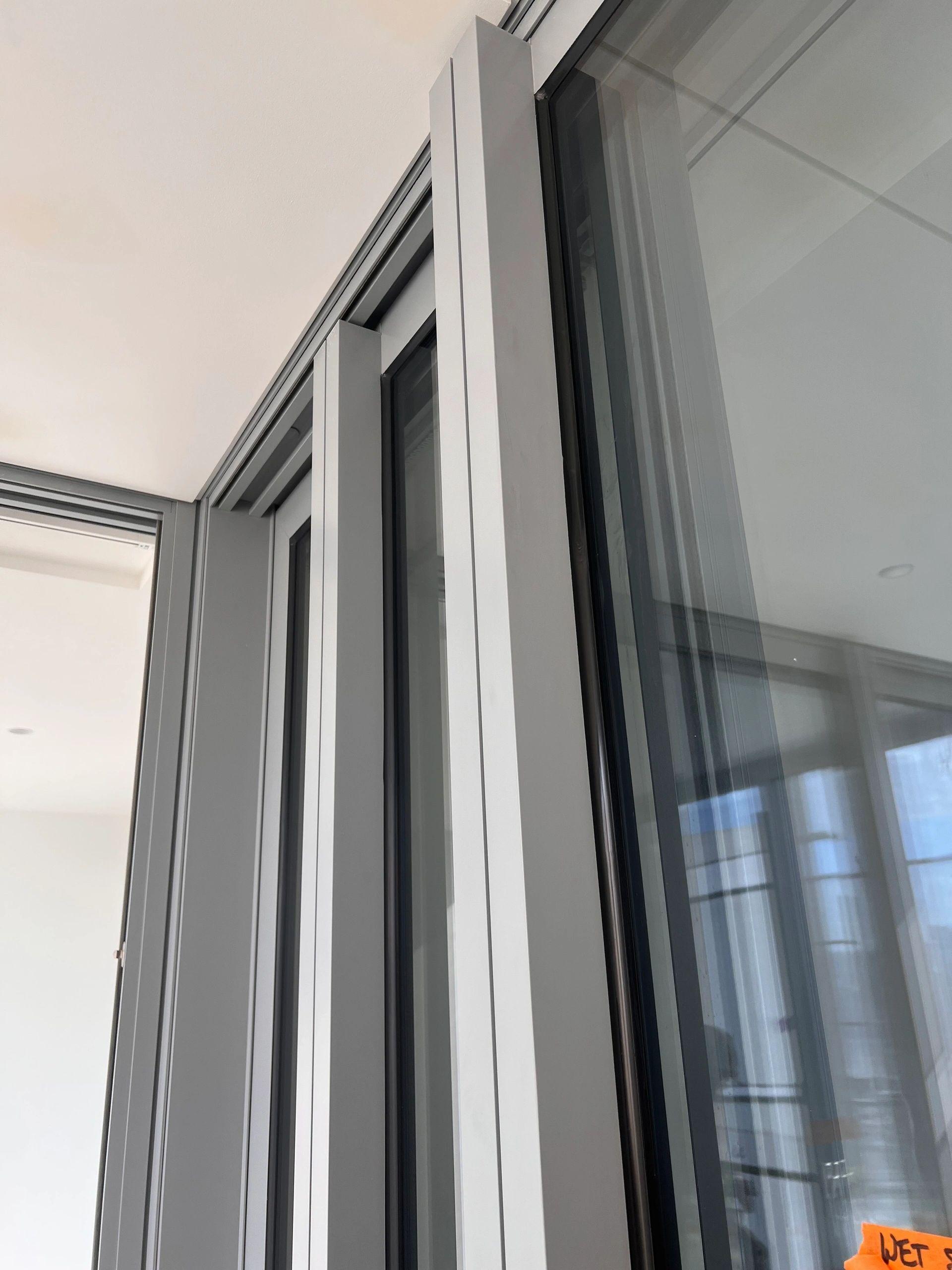
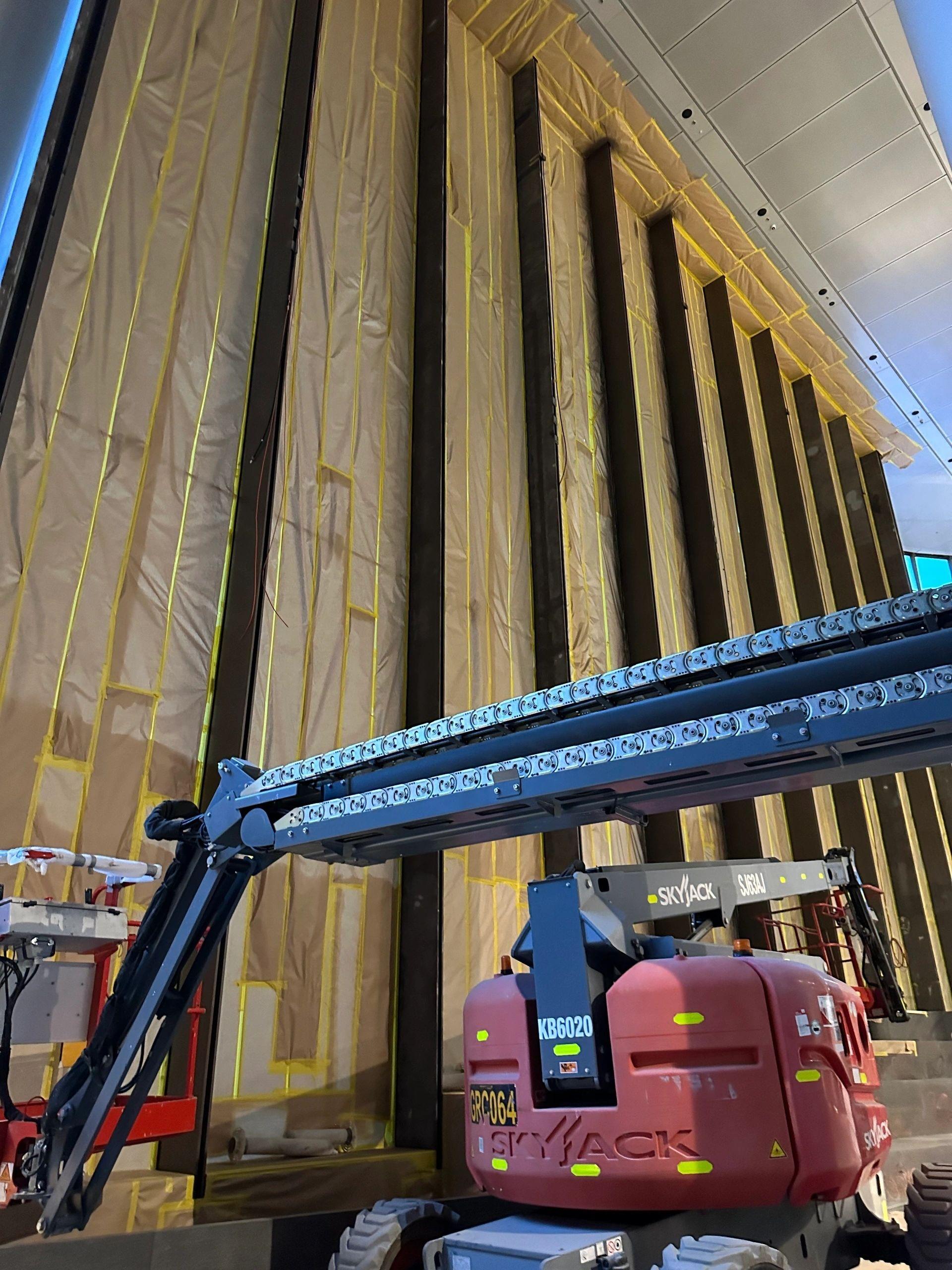
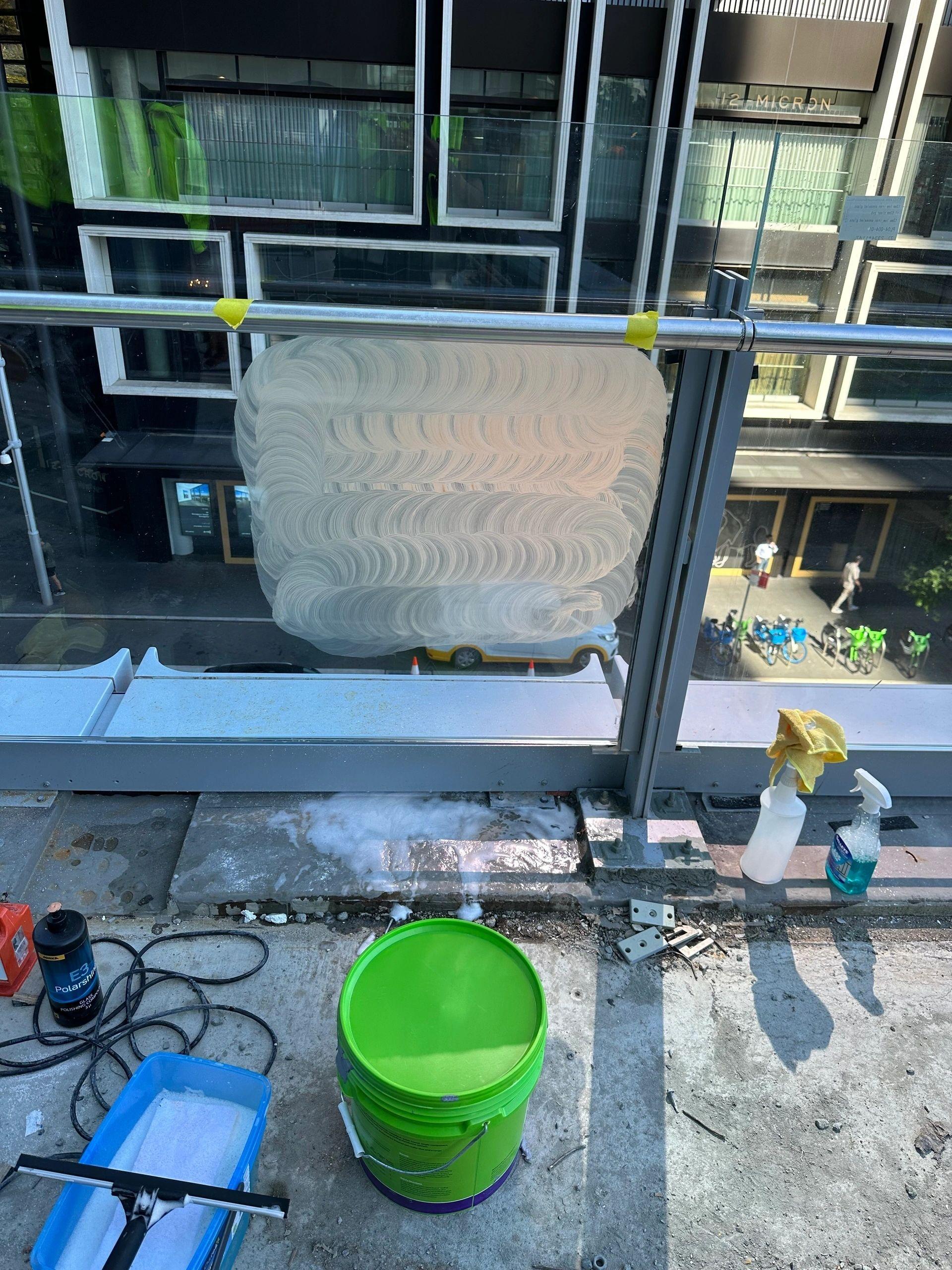
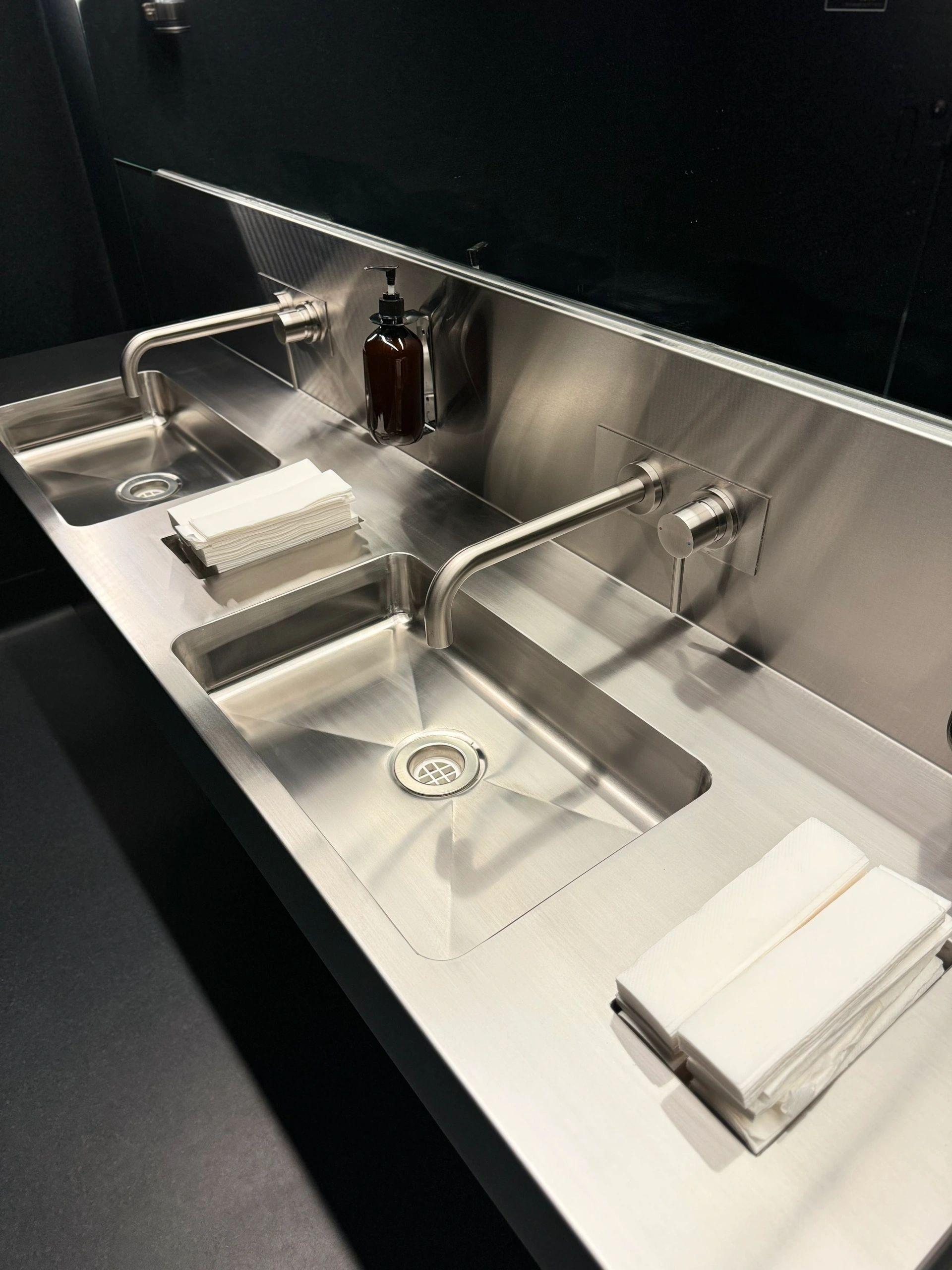
The finishing scope for this sector
One team across the trades that close out a handover — engaged together, documented throughout.
Questions
Residential High-Rise — common questions
Projects in safe hands