Residential High-Rise · Current
One Circular Quay
Circular Quay, Sydney NSW
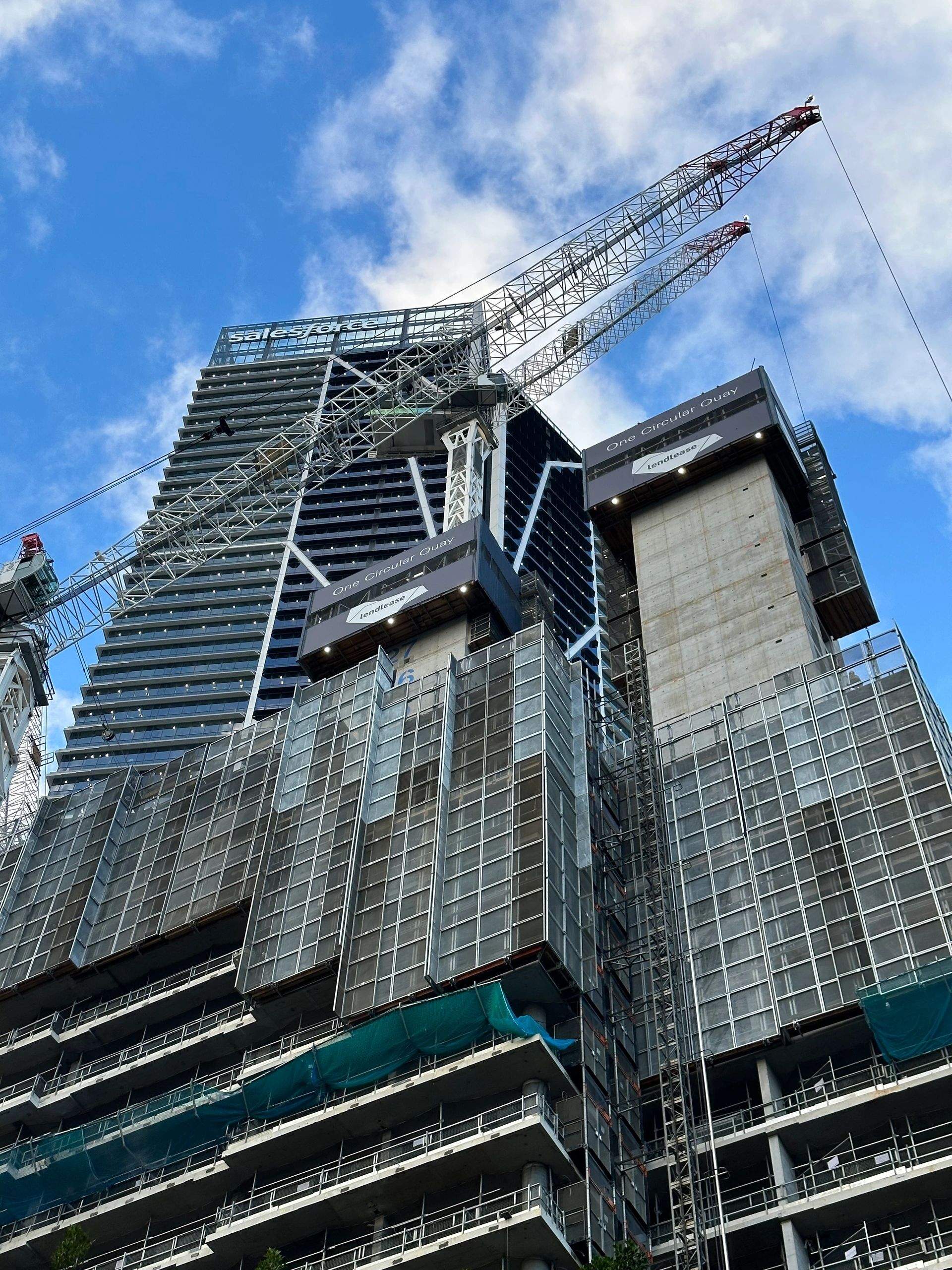
One Circular Quay is a residential and hotel tower at Sydney's Circular Quay, where the CBD meets the waterfront. It sits in the residential high-rise sector, where finishing standards are least forgiving because every surface is inspected by the people who will live in the building.
Residential towers of this kind put each finish under an owner's eye at settlement. Facade panels, glazing, sealed joints and interior surfaces all have to read as flawless at handover, and a single marked panel or failed joint becomes a documented defect that stands between the builder and practical completion. It is the sector our widest multi-trade finishing scope was built around.
The project
What it is
A tower this visible has to present a clean, consistent envelope from the street and the water. The curtain wall, its coatings and its sealed joints all have to meet the architect's and client's standard before sign-off, with little tolerance for touch-ups that look like touch-ups.
The challenge is damage that arrives with the panels or is caused after they are installed. Cladding and glazing are handled during transport and installation, and they are exposed to the trades working around and above them once they are up. By the time a defect is spotted it may be many storeys off the ground, where access is slow and replacing a panel outright is expensive and disruptive to the programme. On top of the panels themselves, the silicone and expansion joints that weatherproof the envelope have to be installed and finished to a standard that holds up long after handover.
The task, then, is twofold: keep facade quality control moving before and during installation so problems are caught early, and rectify the damage and joints that do occur in place, to a standard that reads as original rather than repaired — all without becoming the trade that holds up the envelope.
Our scope
What M&M delivered
We are engaged across the facade scope, delivered as one coordinated package rather than a chain of separate trades. The documented work covers facade rectifications, facade pre-launch ITP, and silicone rectifications.
The pre-launch ITP facade commissioning work shifts quality control upstream. Panels are prepared and checked against an inspection and test plan before they go up, which cuts the exterior work needed once the facade is up and the high-access rectification needed later. Where panels are damaged in transport or installation, or by the works of other trades, our facade rectification restores them in place across the substrate types we work to — powdercoat, anodised and steel. Rather than spray-can touch-ups, the method uses enclosed-area application of polyurethane and acrylic coatings, with colour matched on site to the surrounding panels before any mass application, so the repaired area reads as part of the original finish. Time-stamped, documented photography of the work is our standard practice across rectification, giving the head contractor a live record of what was found and what was done.
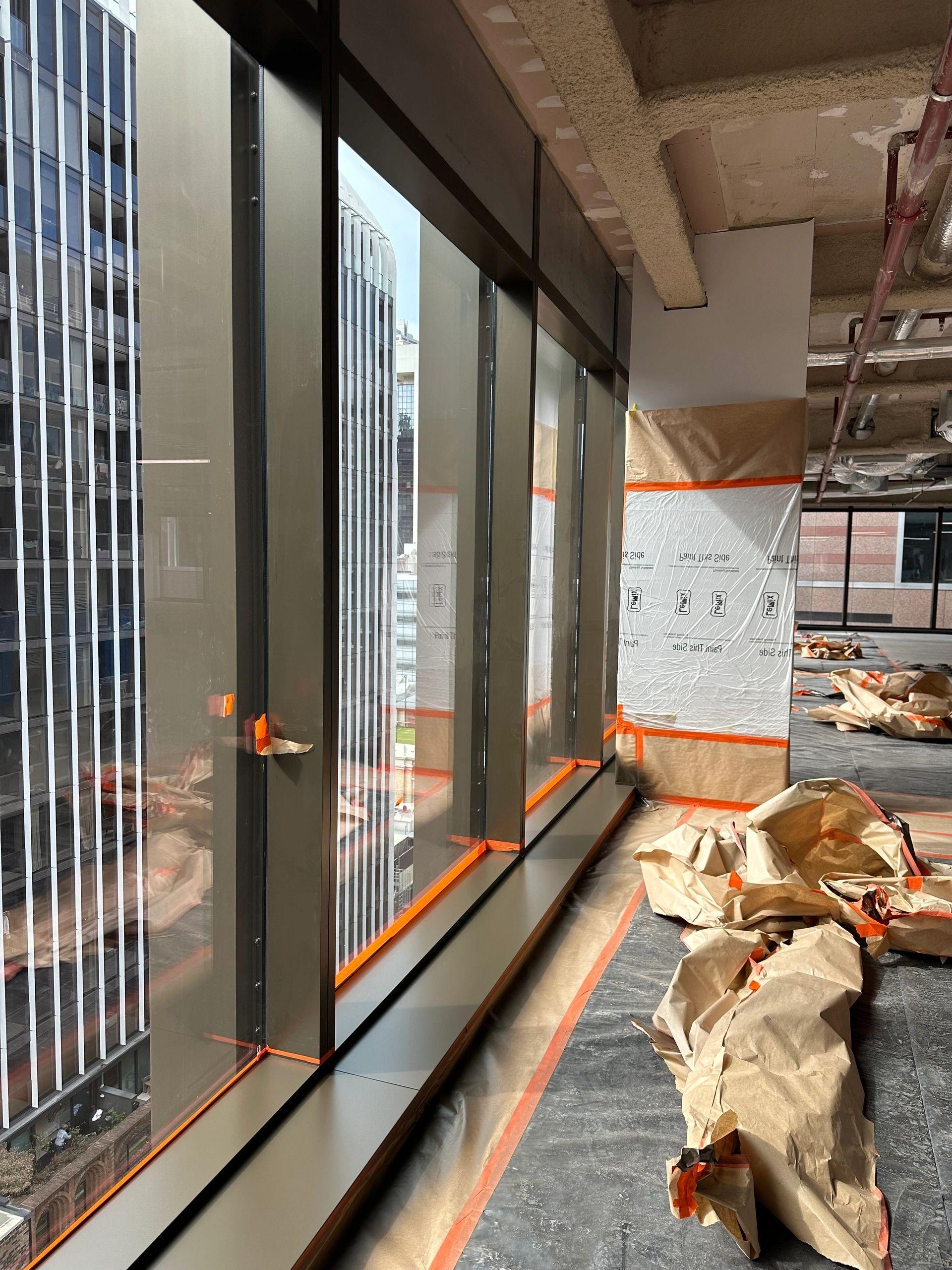
The silicone rectification scope covers the installation, inspection and repair of silicone joints across the envelope, including the small and large expansion joints that keep the facade weatherproof, worked to a standard of quality and durability appropriate to a tower of this profile. Across all three scopes the work is carried out by project-specific trained trades under quality-control managers, with ITP and live documentation available to the client through the defects period.
The value
Why it matters
On a tower at this address, the facade is both the weatherproofing line and the first thing anyone sees, so every unresolved panel or joint is a defect that sits directly between the builder and practical completion. Bundling pre-launch checking, rectification and silicone work under one engagement removes a coordination gap the builder would otherwise have to manage across several separate trades, and gives them a single point of accountability for the envelope through to handover.
Moving quality control upstream through the pre-launch ITP matters most for programme. Catching and correcting issues before panels are installed, and before they are many storeys up, avoids the slow, expensive high-access work and outright panel replacement that can stall a facade close-out. Restoring finishes in place rather than reordering panels protects both the programme and the replacement budget at the point where the schedule is tightest.
The documentation is a quality-assurance record first, and a commercial one as well. Because it records the condition of adjacent work before and after each stage, it gives the builder a clear account of the envelope through to sign-off, and where damage was caused by another trade it supports recovering that cost from the party responsible rather than leaving it in the wrong place. Either way, the envelope reaches sign-off with a record that stands up through the defects liability period.
Services on this project
More in this sector
More residential high-rise work
Projects in safe hands