
Coatings & specialty finishes
Industrial & architectural coatings — applied to specification, on site or in the booth
From structural steel that must meet the engineering specification to interior and exterior architectural painting, specialty finishes and industrial equipment resprays — one coatings team, working roll, brush, spray, electrostatic and airless.
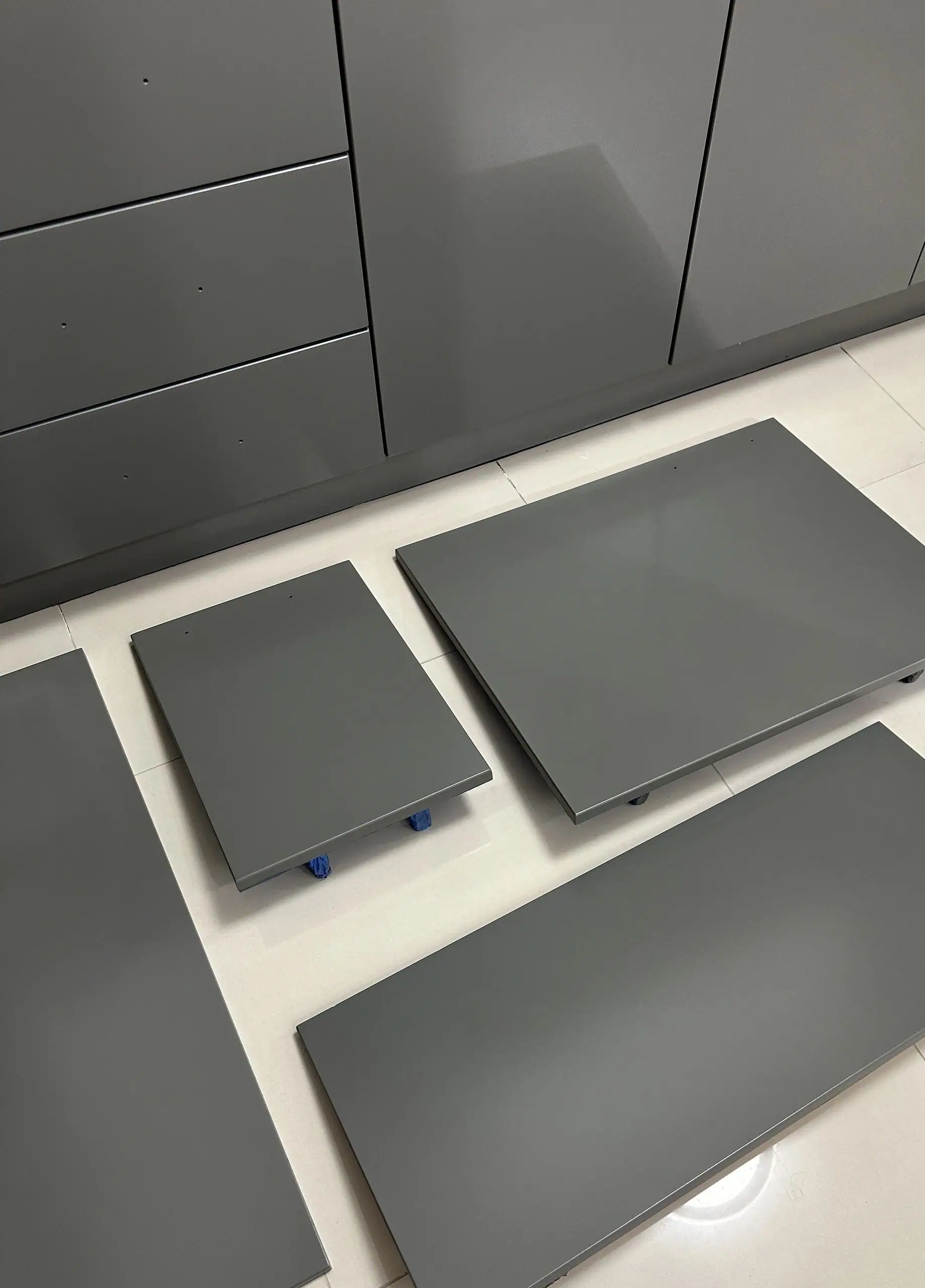
What it is
Painting & coatings: what the work involves
On structural rectification projects across Sydney, M&M coats finished steelwork for durability and a consistent appearance — coatings applied to the engineering specification and Australian Standards, using established coating systems and instruments to reinstate the protective system, not just the appearance.
On the architectural side we offer a complete range of painting for interior and exterior applications, working across drywall, wood, metal and masonry in roll, brush and spray application. Electrostatic and airless methods sit alongside conventional spray, so the method matches the substrate and the setting.
More about how we do this work
We also spray paint industrial equipment, backed by the spray booth and workshop at our Riverstone facility.
Where this scope shows up most: steel coated to specification at airport and metro works and industrial and architectural coatings on hotel handovers.
What's included
Everything this scope covers
- Structural steel coatings to the engineering specification and Australian Standards
- Architectural painting — interior and exterior
- Drywall, wood, metal and masonry substrates
- Roll, brush and spray application
- Electrostatic painting
- Airless painting
- Industrial equipment spray painting
- Workshop and spray-booth finishing at our Riverstone facility
- Specialty finishes recreated in paint and coating to the architect's specification, including metal-effect finishes
- Sample approval against the specified reference before any specialty finish is applied
Specialty finishes
The specified finish, recreated in paint and coating
Some finishes an architect specifies are not available as a product, or the product cannot be used on the element it was drawn for. Those finishes are recreated in paint and coating: the surface prepared, the look built up in a specialty system, and the result finished to the specified reference.
On a recent Australian commercial project, the design called for a patterned stainless-steel finish on a door. The door was a fire door and no metal was allowed on it, so we recreated the finish in a specialty paint and coating system on the door itself.
Every specialty finish is colour-matched to the specified reference and approved on a sample before any mass application, then recorded against the ITP with time-stamped photographs, like the rest of the coatings scope.
What this fixes
The handover risks this scope removes
Steel coated to a specification nobody is checking
A protective coating system is a compliance item before it is a finish. Structural steel is coated to the engineering specification and Australian Standards using established coating systems and instruments, so what is reinstated is the specified system, not the appearance alone.
Several painting subcontractors on one building
Structural steel coatings, interior and exterior architectural painting and equipment resprays are often let separately — several contractors to chase and several sets of records to reconcile. One coatings team under a single subcontract puts the whole scope with one accountable party.
One method applied to every substrate
Drywall, wood, metal and masonry behave differently, and so do the settings they sit in. The application method — roll, brush, spray, electrostatic or airless — is chosen for the substrate and the site conditions, not for what the crew happens to carry.
Items that cannot be finished on a live floor
Dust, overspray control and cure conditions rule some elements out of on-site finishing. Those items are finished in the spray booth and workshop at our Riverstone facility, so a coating that needs controlled conditions does not hold up the floor it belongs on.
A specified finish no product supplies
Some finishes on an architect's schedule do not exist as an off-the-shelf product. They are recreated in paint and coating by tradespeople who prepare, apply and finish the surface to the specified reference, approved on a sample first.
The specified material cannot go on the element
A finish drawn as metal sheet can land on an element the sheet cannot be used on — on one project, a fire door. The look is recreated in a specialty paint and coating system instead, so the element still carries the specified finish.
How we do it
Painting & coatings, step by step
Specification and substrate review
We take the engineering specification and the architectural schedule, identify each substrate — structural steel, drywall, wood, metal or masonry — and confirm the coating system, the application method and the access each area needs.
Surface preparation
Preparation is set by the coating system rather than the programme. Surfaces are prepared so the specified system can be applied to them, and elements that cannot be prepared or cured on a live floor are identified for workshop finishing.
Method statement and ITP
The works are set out in a method statement and inspection and test plan, with hold and witness points agreed, and structural steel coatings specified to the engineering specification and Australian Standards.
Sample and approval
A sample area is applied and approved before mass application, so colour, sheen and finish are agreed against the specification before the scope runs across the building.
Application, day or night
Project-specific trained tradespeople apply the coatings under quality-control managers — roll, brush, spray, electrostatic or airless as the substrate and the setting require — with labour scaled and night shifts used where access or the programme demand it.
Records and sign-off
Coated elements are checked against the ITP and recorded with time-stamped completion photographs, held in live project documentation and available to your team on OneDrive, then presented for inspection and sign-off.
Why builders choose us
What you get when M&M does the work
Coated to standard
Structural steel coatings are applied to the engineering specification and Australian Standards, so the coating meets the specification as well as the look.
Every application method
Roll, brush, spray, electrostatic and airless — the method is chosen for the substrate and the setting, not for what the crew happens to carry.
A workshop behind the crews
The Riverstone facility includes a spray booth and workshop, sitting behind the crews who apply coatings on site.
Our founders' 25+ years in spray finishing
Formerly M&M Spray Painting — refined finishing is the trade the business was built on.
90+ staff, day and night shifts
Coating works can be resourced across day and night shifts and scaled at short notice, so an area clears before its inspection rather than after it.
Photo records of every coated element
Coated elements are recorded against the ITP with time-stamped photographs, held in live project documentation and available on OneDrive — the same quality regime that runs through our rectification work.
Proof
Case studies featuring this service
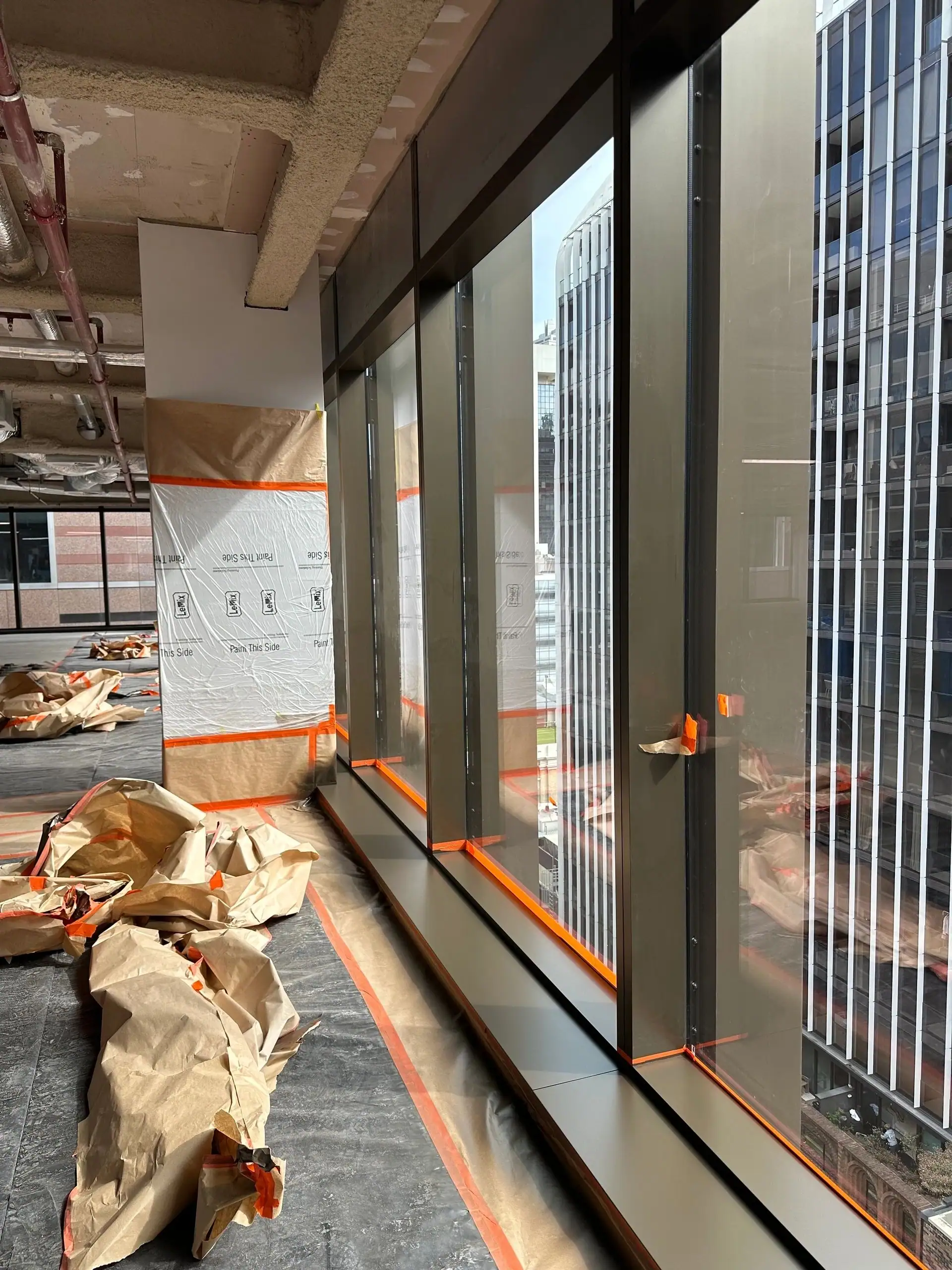
One Sydney Harbour
Barangaroo, Sydney NSW
Western Sydney Airport (WSI)
Badgerys Creek, Western Sydney NSW
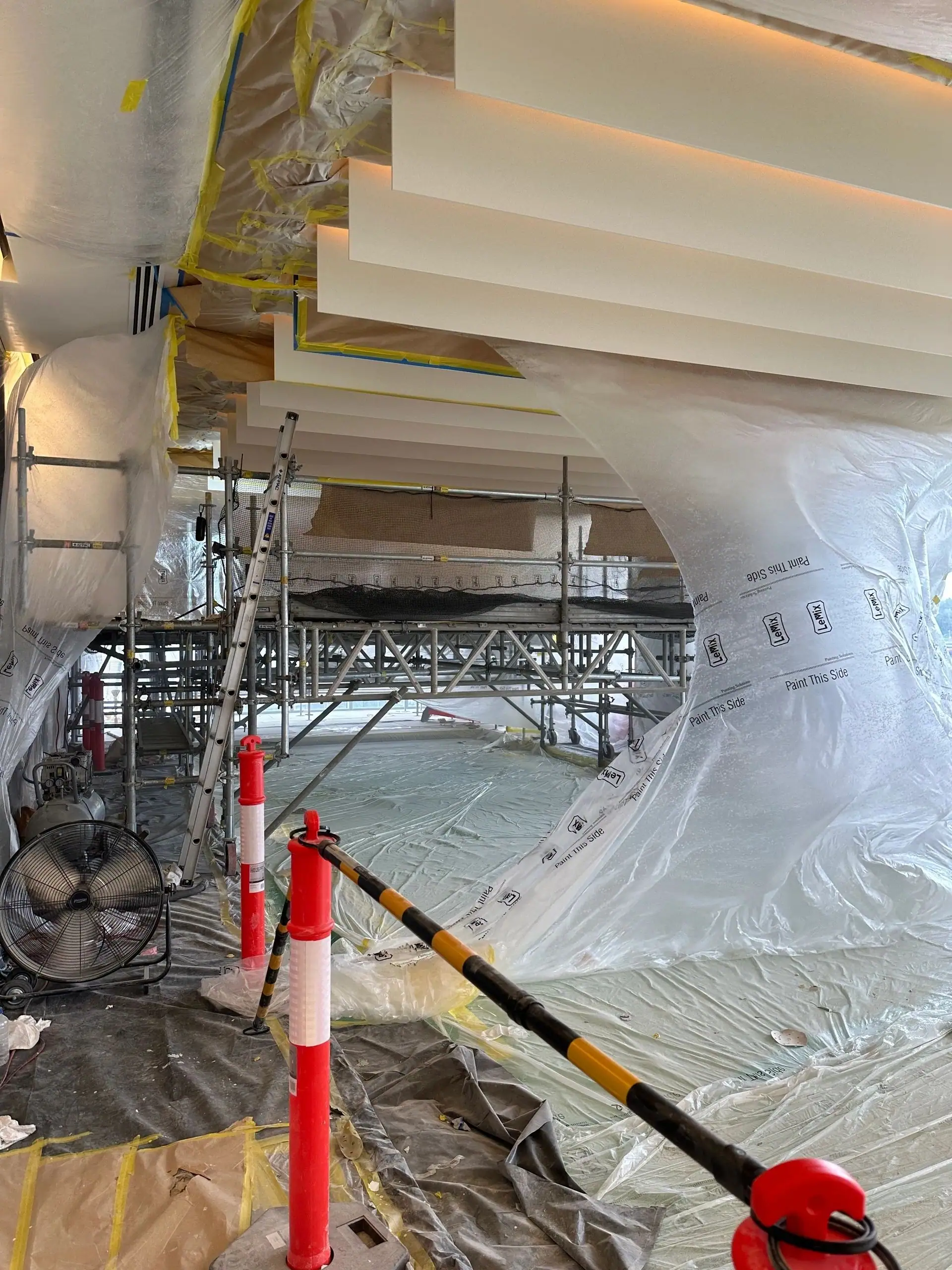
Martin Place North & South
Martin Place, Sydney NSW
Service areas
Popular areas for painting & coatings
Start with a local scope page, or send us the site address and we will confirm coverage.
Questions
What builders ask us
Projects in safe hands